
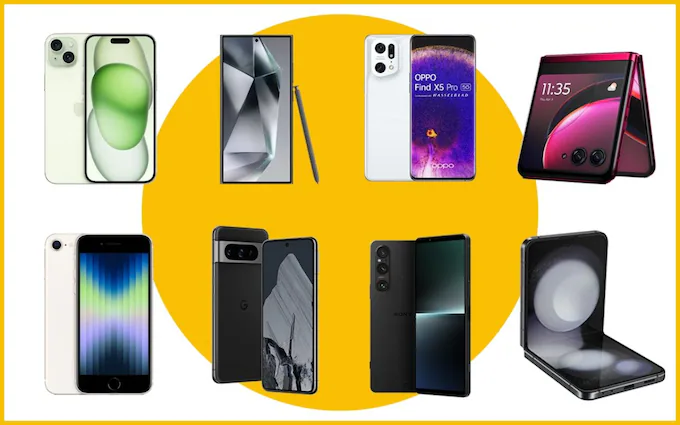
Choosing a High-end Smartphone: A Comprehensive Guide
Are you in the market for a new smartphone? With so many options available, choosing the right one can be overwhelming. In this guide, we’ll help you navigate the process of selecting a high-end smartphone that meets your needs and budget.
Display
The display is one of the most critical aspects of a smartphone. Look for a device with a high-resolution screen, preferably OLED or AMOLED technology. This will ensure vibrant colors, deep blacks, and a seamless visual experience.
- Screen Size: Consider a phone with a screen size between 5.7 And 6.7 Inches. Anything larger may be cumbersome to hold, while smaller screens might not provide the best viewing experience.
- Resolution: Opt for a device with a Quad HD (2560 x 1440 pixels) or higher resolution for optimal visual clarity.
- Refresh Rate: A variable refresh rate between 60Hz and 120Hz can help balance battery life and smooth animations.
Processor And Ram
The processor and RAM are crucial components that impact performance. Look for a device with a powerful processor, such as Qualcomm’s Snapdragon series or Apple’s A-series chips, and at least 6GB of RAM for seamless multitasking.
- Processors: Research different processor options, including Qualcomm’s Snapdragon, Samsung’s Exynos, and Apple’s A-series.
- Ram: Ensure the phone has sufficient RAM (at least 6GB) to handle demanding applications and games.
Memory
Internal memory is essential for storing your apps, photos, videos, and documents. Opt for a device with a minimum of 128GB storage capacity, expandable via microSD card if necessary.
- Storage Capacity: Choose a phone with sufficient internal storage (at least 128GB) to accommodate your needs.
- Expandable Storage: Consider devices that support expandable storage via microSD cards for added flexibility.
Connectivity
A good smartphone should have reliable connectivity options. Look for devices with the latest wireless standards, such as Wi-Fi 6E and Bluetooth 5.0 Or higher.
- Wi-fi: Ensure the phone supports the latest Wi-Fi standard (Wi-Fi 6E) for faster speeds and lower latency.
- Bluetooth: Opt for devices with Bluetooth 5.0 Or higher for seamless connectivity to accessories like earphones, smartwatches, and fitness trackers.
Camera
A high-end smartphone should have an excellent camera system. Look for devices with multiple rear cameras, a telephoto lens, and a front-facing camera with advanced features like portrait mode and night mode.
- Rear Camera: Choose a phone with at least 2-3 rear cameras, including a telephoto lens and a macro camera.
- Front Camera: Opt for devices with advanced front-facing cameras featuring portrait mode, night mode, and other innovative features.
Battery
A good battery life is essential for a smartphone. Look for devices with large batteries (at least 4000mAh) that support fast charging and wireless charging.
- Battery Capacity: Choose phones with sufficient battery capacity (at least 4000mAh) to ensure all-day use.
- Fast Charging: Ensure the device supports fast charging technologies like Quick Charge, VOOC, or Super VOOC for rapid top-ups.
Audio
A good smartphone should have excellent audio capabilities. Look for devices with high-quality speakers and advanced microphone technology.
- Speakers: Opt for phones with dual speakers or a single speaker that produces clear, crisp sound.
- Microphone: Ensure the device has an advanced microphone system for clear voice quality during calls and video recordings.
Biometric Authentication
Biometric authentication is essential for secure phone unlocking. Look for devices with fingerprint sensors, facial recognition, or iris scanning technology.
- Fingerprint Sensor: Choose phones with reliable fingerprint sensors that can quickly unlock your device.
- Facial Recognition: Opt for devices with advanced facial recognition technology for secure and convenient unlocking.
- Iris Scanning: Consider phones that feature iris scanning technology for added security.
Foldable Design
If you’re interested in a foldable design, look for devices with robust hinges, high-quality displays, and innovative features like dual-screen functionality.
- Hinge Mechanism: Ensure the phone’s hinge is durable and can withstand repeated use.
- Display Quality: Opt for devices with high-quality displays that provide clear visuals and vibrant colors.
Operating System
The operating system is crucial for your smartphone experience. Choose a device with an intuitive interface, regular software updates, and innovative features like gesture navigation and AI-powered assistants.
- Android: Consider phones running on Android for their customization options, app store selection, and innovative features.
- Ios: Opt for devices running on iOS if you prefer a more streamlined experience, tight integration with other Apple products, and regular software updates.
Impermeability And Resistance to Dust
A high-end smartphone should have robust impermeability and resistance to dust. Look for devices with IP68 or higher ratings for protection against water and powder.
- IP Rating: Ensure the phone has an IP68 or higher rating for protection against water and powder.
- Water Resistance: Consider phones that can withstand accidental drops in water or exposure to dust.
Usb Ports And Otg Support
A good smartphone should have convenient USB ports and support for OTG (On-The-Go) technology. Look for devices with USB-C ports, wireless charging capabilities, and OTG support.
- Usb Port: Choose phones with USB-C ports for faster data transfer rates and convenience.
- Otg Support: Ensure the device supports OTG technology for seamless connectivity to accessories like keyboards, hard drives, and other devices.
Infrared Sensor
If you’re interested in a phone with an infrared sensor, look for devices that can control your TV, air conditioner, or other IR-enabled devices.
- IR Sensor: Consider phones that feature IR sensors for convenient remote control functionality.
By considering these factors, you’ll be able to find the perfect high-end smartphone that meets your needs and budget. Remember to research each device thoroughly, read reviews from reputable sources, and consider factors like warranty, customer support, and software updates before making a final decision.


