
Better Microphones: A Comprehensive Guide to Choosing The Right One
Are you a singing pro or just a karaoke enthusiast? Or perhaps you’re looking to record a podcast, stream on YouTube, or simply improve your online conferencing experience? Whatever your reason, choosing the right microphone can make all the difference. In this article, we’ll guide you through the process of selecting the best microphone for your needs.
Understanding Microphones
A microphone is not just a device that converts sound into electrical signals; it’s a tool that requires careful consideration to ensure optimal performance. With various types, polar patterns, and interfaces available, it can be overwhelming to choose the right one.
Types of Microphones
- Dynamic Microphones: These are commonly used on stage but can also be used in recording situations. They’re robust, easy to convey, and don’t require external power.
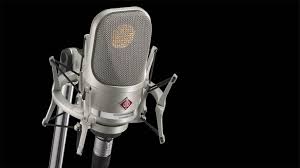
- Condenser Microphones: These are sensitive and detailed, making them ideal for voice and instrument recordings. They require external power (48V Phantom) and are often used in studios or well-controlled environments.
- Lavalier Microphones: These are small, versatile microphones perfect for conferences, interviews, or live events.
- Usb Microphones: These plug directly into your computer, eliminating the need for additional equipment.
Polar Patterns
A microphone’s polar pattern determines its sensitivity to sound from different directions. Common polar patterns include:
- Cardioid: Picks up sound in front of and slightly off to the sides, rejecting sound from behind.
- Supercardioid: Similar to cardioid but with a tighter angle, making it more directional.
- Omnidirectional: Picks up sound from all directions, often used for orchestras or situations where multiple sources are present.
- Bidirectional (or “Figure-Eight”): Picked up sound in front of and behind, rejecting sound from the sides.
Form And Position
Microphones come in various shapes and sizes, including:
- Ice Cream Microphones: Classic, handheld microphones.
- Lavalier Microphones: Small, clip-on microphones.
- Bow Microphones: Similar to lavalier microphones but with a more compact design.
- Conference Microphones: Often used in meeting rooms or conference settings.
Interface
The interface determines how the microphone connects to your device:
- Xlr: Commonly used for professional applications, requires an XLR cable and a preamplifier.
- Usb: Convenient and easy to use, plug directly into your computer.
- Wireless: Transmits audio signals wirelessly, often used in live performances or public speaking situations.
Specific Technical Features
When choosing a microphone, consider the following technical features:
- Frequency Response: The range of frequencies the microphone is sensitive to (20Hz-20kHz).
- Sensitivity: The efficiency with which the microphone converts acoustic energy into electrical signals.
- Impedance: The resistance to the flow of electrical current; ideally, it should match your preamplifier or mixer.
Accessories
Some microphones come with accessories that can enhance performance:
- Anti-pop Filters: Reduce plosive sounds (e.G., “P” and “t”) when speaking.
- Windshields: Protect the microphone from wind noise.
- Microphone Stands: Hold the microphone in place, freeing your hands.
Conclusion
Choosing the right microphone requires careful consideration of your needs, budget, and environment. By understanding the different types, polar patterns, interfaces, and technical features, you can select a microphone that will deliver high-quality audio and enhance your online conferencing experience.
Frequently Asked Questions (FAQs)
- Q: What’s The Best Type of Microphone For Podcasting?
A: A USB condenser microphone with a cardioid polar pattern is ideal. - Q: How do I Choose Between a Wired or Wireless Microphone?
A: Consider your budget, performance requirements, and ease of use. - Q: Can I Use a Lavalier Microphone For Podcasting?
A: Yes, but ensure it’s designed for voice recording and has good sound quality. - Q: What’s The Difference Between an Omnidirectional And Bidirectional Microphone?
A: An omnidirectional microphone picks up sound from all directions, while a bidirectional microphone (figure-eight) focuses on sounds in front of and behind. - Q: Can I Use a Dynamic Microphone For Podcasting?
A: While possible, dynamic microphones are often used for live performances and may not provide the best quality for voice recordings. - Q: How do I Choose Between a Condenser And Usb Microphone?
A: Consider your budget, recording environment, and desired sound quality; condenser microphones are often preferred for studio use. - Q: Can I Use a Smartphone App to Improve my Podcasting Audio?
A: Yes, many apps offer features like noise reduction, EQ, and compression to enhance your audio.
I hope this comprehensive guide has helped you choose the perfect microphone for your needs. Happy recording!


