
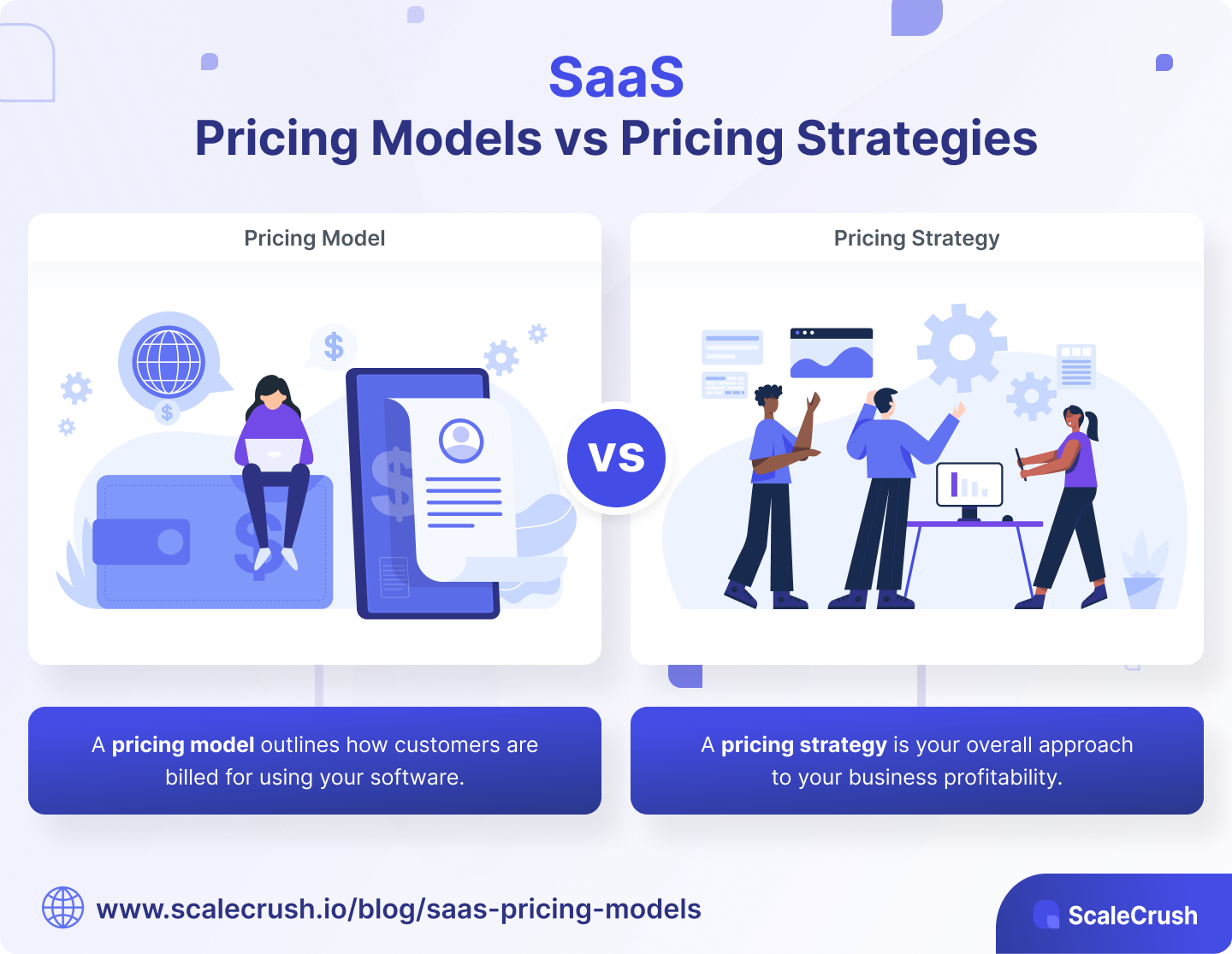
In the ever-evolving world of digital products, Software as a Service (SaaS) has emerged as a dominant business model. As a business owner or entrepreneur venturing into this promising territory, one of the critical components of your business plan is undoubtedly your pricing strategy. Crafting an effective pricing strategy not only impacts your revenue but also your customer acquisition and retention rates. In this article, we explore the best practices for SaaS pricing strategies and how to incorporate them into your business plan.
Understanding the SaaS Pricing Landscape
The SaaS pricing landscape is quite diverse. Unlike traditional software models that require a one-time purchase, SaaS operates on a subscription basis, offering recurring billing that provides predictable cash flow. However, with this advantage comes the challenge of determining the right price point.
Before diving into specific strategies, it’s crucial to understand the key factors influencing SaaS pricing:
-
Market Demand: Keep an eye on market trends and customer needs. Understanding what your target audience values will help you set a competitive price.
-
Value Proposition: Consider the unique features and benefits your SaaS product offers. The more value you provide, the more customers are likely to pay.
-
Competitor Pricing: Analyze how similar services are priced. While you don’t need to be the cheapest option, ensuring you’re within a reasonable range is vital for competitiveness.
-
Target Customer Segments: Different customer segments may be willing to pay different amounts. Tailoring your pricing strategy can help capture a broader range of customers.
1. Choose the Right Pricing Model
The first step in creating a SaaS pricing strategy is to select the pricing model that suits your business and target audience. Here are some popular SaaS pricing models:
-
Flat-Rate Pricing: This is the simplest model, where one price is set for a single product. While straightforward, it may limit potential revenue if customers would pay more for additional features.
-
Tiered Pricing: In this model, you offer multiple pricing tiers, each with varying features and benefits. This approach caters to different user needs and budgets, maximizing revenue.
-
Usage-Based Pricing: This model charges customers based on their usage of the service. While it can attract smaller customers initially, it’s essential to communicate clearly how usage is tracked and billed.
-
Freemium Model: Offering a free base version complemented by paid features can attract a large user base. However, it’s important to carefully design your conversion strategy to entice users to upgrade.
-
Per-User Pricing: Charging per user is common among SaaS businesses, especially those that cater to teams or organizations. This model allows for scalability as the organization grows but can be a turnoff for smaller teams.
The Best Practice: A/B Testing Your Pricing
Don’t settle on a single pricing model without testing its effectiveness. A/B testing allows you to explore different prices and models while observing customer reactions. Identify which configurations lead to higher conversion rates, better customer satisfaction, and ultimately greater revenue.
2. Define Your Value Proposition
A strong value proposition is the cornerstone of any successful SaaS business. It articulates why potential customers should choose your product over others available in the market. To define your value proposition:
-
Identify Key Features and Benefits: Make a list of the features that set your product apart and translate those into clear benefits for your users. How do these features solve their pain points or improve their day-to-day operations?
-
Understand Customer Pain Points: Conduct market research to identify the challenges and needs of your target audience. Understanding what keeps your customers up at night will allow you to tailor your messaging effectively.
-
Communicate ROI Clearly: Customers want to know that they are making a wise investment. Be transparent about the return on investment (ROI) they can expect when using your service.
The Best Practice: Use Customer Feedback
After launching your product, continue gathering customer feedback. This information can influence future iterations of your pricing strategy and aid in refining your value proposition. Utilize surveys, interviews, and analytics to understand user behavior and satisfaction.
3. Implement a Transparent Pricing Structure
Transparency in your pricing strategy can go a long way in building trust and credibility with your audience. Here are ways to ensure clear communication of your pricing:
-
Clear Pricing Pages: Your website should include a straightforward pricing page that outlines costs, features, and conditions associated with each pricing tier. Avoid hidden fees or complicated terms that could frustrate potential customers.
-
Value Justification: Help customers understand the value of each tier. Display customer testimonials, case studies, and comparative data to illustrate why upgrading or choosing a particular plan is beneficial.

- Overcome negative thought patterns, reduce stress, and live a worry-free life
- Overthinking is the biggest cause of unhappiness
- Don't get stuck in a never-ending thought loop
- Stay present and keep your mind off things that don't matter, and never will
- Break free of your self-imposed mental prison
The Best Practice: Regularly Update Pricing Pages
As your product evolves and the market shifts, periodic reviews of your pricing page are essential. Keep your customers informed about changes and enhancements in your pricing structure.
4. Leverage Pricing Psychology
Understanding pricing psychology helps you make your pricing strategy more persuasive. Here are some psychological principles to consider:
-
Charm Pricing: Pricing your product at $9.99 instead of $10 creates a perception of a better deal. This practice can lead to improved conversion rates.
-
Anchoring: Displaying a higher-priced plan next to your most popular plan can make the latter seem like a better deal, influencing purchasing behavior.
-
Scarcity and Urgency: Creating limited-time offers or limited availability can prompt potential customers to make quicker decisions. Use this tactic sparingly to maintain long-term credibility.
The Best Practice: Test Pricing Psychology Tactics
Try experimenting with different psychological pricing strategies. Use your analytics tools to track how changes affect customer behavior and conversions.
5. Monitor Key Metrics and KPIs
After implementing your pricing strategy, it’s crucial to track its efficacy through key performance indicators (KPIs). Monitoring these metrics provides insight into how well your pricing structure performs. Here are some essential metrics to watch:
-
Customer Acquisition Cost (CAC): Understanding how much you spend to acquire each customer will help you assess the sustainability of your pricing model.
-
Monthly Recurring Revenue (MRR): This metric reflects the predictable monthly income generated from subscriptions. A healthy MRR indicates a successful pricing strategy and recurring customer retention.
-
Churn Rate: A high churn rate could signal that customers find your pricing too high or do not perceive enough value in your service. Tracking churn helps you adjust your strategy to minimize attrition.
-
Average Revenue Per User (ARPU): ARPU shows the average revenue generated per customer. It’s a crucial metric for assessing the effectiveness of your pricing model, particularly when different tiers are in play.
The Best Practice: Regularly Review Metrics
Set predefined intervals (monthly, quarterly, or annually) to analyze these metrics comprehensively. Track trends, make necessary adjustments to your pricing strategy based on findings, and continually validate your approach.
6. Offer Timely Discounts and Promotions
While discounts and promotions can be effective in driving short-term customer acquisition, they should be deployed carefully. Here’s how to implement discounts while preserving revenue integrity:
-
Early-Bird Offers: Reward early adopters with a lower price for a limited time. This creates a sense of urgency while ensuring you garner initial users.
-
Loyalty Discounts: Consider offering discounts to long-term subscribers as a way to promote retention and reward customer loyalty.
-
Seasonal Promotions: Leverage holidays or industry-specific events to offer special pricing. Announce these promotions through email or social media to maximize reach.
The Best Practice: Clearly Communicate Terms
When offering discounts or promotions, clarify the terms and conditions associated with them. Ensure customers know when the deals expire and what they must do to qualify.
Conclusion: The Ongoing Journey of Pricing Strategy
Crafting an effective SaaS pricing strategy is an ongoing exercise rather than a one-time task. As markets innovate, customer preferences evolve, and your product matures, your pricing model must adapt accordingly. Following these best practices will help create a well-rounded pricing strategy tailored to your audience’s needs while maximizing revenue potential.
Remember, the key is to blend market research with customer feedback continually. As you refine your offerings and adapt your pricing strategy, you’ll position your SaaS business for sustainable growth and success. Developing a solid, strategically-driven approach to pricing will not only help you build a robust business plan but also differentiate your SaaS product in a burgeoning market.
By reviewing your pricing regularly and adjusting according to market dynamics, your SaaS business will thrive in the competitive landscape, creating lasting relationships with your customers along the way. Happy pricing!


