
Choosing a Saturimeter: A Comprehensive Guide
Are you looking for a reliable and accurate way to monitor your health parameters, such as oxygen saturation? Look no further than a saturimeter! In this article, we will guide you through the process of choosing the best saturimeter for your needs.
Understanding Saturimeters
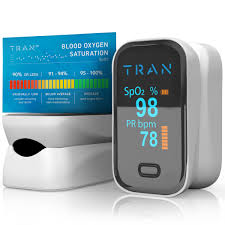
A saturimeter is a medical device that measures the arterial saturation of oxygen in the blood. It is also known as an oximeter or pulse oximeter. The device uses light to detect changes in the amount of oxygen being carried by the hemoglobin in the blood, and displays the results on a screen.
Key Features to Consider
When choosing a saturimeter, there are several key features to consider:
- Accuracy: Look for a device with high accuracy levels (±2% or less) and a range of 0-100%.
- Ease of Use: Choose a device that is easy to operate and has a user-friendly interface.
- Display: Opt for a device with a clear and readable display, preferably in color.
- Battery Life: Select a device with long battery life (at least 30 hours) or one that can be recharged via USB.
- Connectivity: Consider a device with connectivity options such as Bluetooth or Wi-Fi for easy data transfer to smartphones or computers.
- Additional Features: Some devices offer additional features such as pulse rate, heart rate variability, and SpO2 trend analysis.
Top Saturimeters on The Market
Here are some of the top saturimeters available on the market:
- Gima Oxy-2: A portable and professional finger saturimeter with high accuracy levels (±1%).
- Pulox Po-200 Only: A certified professional finger saturimeter with a clear and readable display.
- Braun P1: A medical device with clinically validated accuracy levels, ideal for adults suffering from conditions such as BPCO or pneumonia.
Other Features to Consider
In addition to the above features, consider the following:
- Display Modes: Look for a device that offers multiple display modes, such as graph, bar chart, or numerical values.
- Notification Alerts: Choose a device with notification alerts for low battery levels or high/low SpO2 readings.
- Memory Storage: Consider a device with memory storage capabilities to record and analyze data over time.
Conclusion
Choosing the right saturimeter can be overwhelming with so many options available on the market. By considering the key features outlined in this article, you can make an informed decision that meets your needs. Remember to always consult with a medical professional before purchasing any medical device.
Frequently Asked Questions (FAQs)
- What is a Saturimeter?
A saturimeter is a medical device that measures the arterial saturation of oxygen in the blood. - How Accurate Are Saturimeters?
Most saturimeters have accuracy levels ranging from ±2% to ±5%. - Can I Use a Saturimeter at Home?
Yes, many saturimeters are designed for home use and can be purchased online or at medical supply stores. - Do Saturimeters Require Calibration?
No, most saturimeters do not require calibration. - Are There Any Specific Certifications to Look For in a Saturimeter?
Look for devices with CE, FDA, or ISO certifications for medical devices.
Conclusion
In conclusion, choosing the right saturimeter requires careful consideration of key features such as accuracy, ease of use, display, battery life, and connectivity options. By understanding your needs and comparing different models, you can make an informed decision that meets your requirements. Remember to always consult with a medical professional before purchasing any medical device.


