
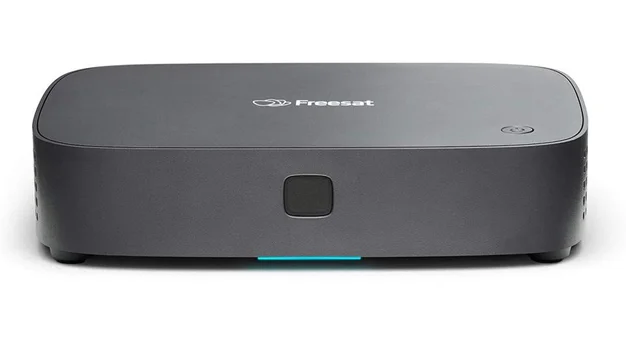
Better Decoder Satellite: Guide to Shopping (2024)
Introduction
The world of television has undergone significant transformations in recent years, with the advent of digital technologies offering numerous advantages over traditional analog systems. As we navigate this evolving landscape, it’s essential to understand the various decoder satellite options available for optimal viewing experiences.
Understanding Decoder Satellite Technologies
Digital Video Broadcasting (DVB) is a standard technology used for broadcasting television signals digitally. DVB has evolved over time into different versions, including DVB-S and DVB-S2 for satellite transmissions, and DVB-T/T2 for terrestrial broadcasts. These standards ensure high-quality transmission with features like error correction and data encryption.
Key Features to Consider When Choosing a Decoder Satellite
1. Transmission Standard Support
Ensure the decoder supports the desired transmission standard (DVB-S/DVB-S2 or DVB-T/T2) based on your viewing needs.
2. Resolution And Content Support
Consider the maximum resolution supported by the decoder for optimal image quality. Most modern decoders support Full HD, but some offer 4K/UltraHD capabilities.
3. Encryption And Smart Card Support
If you’re interested in accessing encrypted channels, ensure the decoder supports the required encryption standard (CI/CIS) and includes a smart card reader.
4. Connectivity Options
Look for decoders with versatile connectivity options like HDMI, SCART, and USB to connect various devices seamlessly.
5. Recording Capability (PVR)
Consider whether you need a PVR function to record your favorite shows or movies on external storage devices.
6. Operating System Customization (Linux-Based)
If you’re looking for advanced personalization options, consider decoders with Linux-based operating systems that offer features like IPTV support and software emulation.
Featured Decoder Satellite Models
1. Majestic Sat 270
A high-quality decoder satellite supporting DVB-S2 technology, ideal for accessing free TV channels on the TivùSat platform.
2. Strong Srt7807tivu
A compact decoder satellite that allows access to all desired TV channels without subscription fees, featuring a smart card included for convenient activation.
3. Canvases System Ts9018hevc
An advanced solution offering access to numerous TV channels in high definition via TivùSat and digital terrestrial DVB-T2 signals.
4. Digiquest Combo 4K Q90
A state-of-the-art decoder satellite that combines digital terrestrial (DVB-T/T2) and satellite (DVB-S2) reception, supporting 4K resolution for an enhanced viewing experience.
5. Edision Proton S2
A compact and light decoder satellite featuring DVB-S2 HD technology, capable of accessing free-to-air channels in high definition.
Conclusion
Choosing the right decoder satellite depends on your specific needs, including transmission standard support, content quality, encryption requirements, connectivity options, recording capabilities, and operating system personalization. This guide has provided essential insights into these factors to help you make an informed decision for an optimal viewing experience.
Frequently Asked Questions (FAQs)
Q1: What is The Primary Difference Between Dvb-s And Dvb-s2?
A1: The main difference lies in the transmission standard’s capability to handle more data per second, resulting in improved image quality for DVB-S2 compared to DVB-S.
Q2: Can I Record my Favorite TV Shows Using Any Decoder Satellite Model Mentioned Here?
A2: While many models support PVR (Personal Video Recording) functions, it is crucial to check the specifications of each device to ensure this feature is available and compatible with your viewing needs.
Q3: Are There Any Linux-based Operating Systems in These Decoder Satellite Models That Offer Advanced Personalization Options?
A3: Yes, some models like DIGIQUEST COMBO 4K Q90 and Edision PROTON S2 feature Linux-based OS that allow for customization and additional features such as IPTV support.
Q4: What is The Significance of Smart Card Support in Decoder Satellites?
A4: Smart card support enables secure access to encrypted channels, making it essential for viewers who want to watch premium content without subscription fees.
Q5: Can I Connect External Devices Like Hard Drives or Usb Sticks to These Decoder Satellite Models?
A5: Yes, many modern decoders come with USB ports allowing you to connect external storage devices for expanded recording and playback capabilities.
Q6: Are There Any Compact And Lightweight Decoder Satellites Available That Don’t Compromise on Performance?
A6: Indeed! Models like Strong SRT7807Tivu and Edision PROTON S2 are designed with compactness in mind while maintaining excellent viewing experiences.
Final Thoughts
When selecting the ideal decoder satellite for your needs, remember to carefully consider factors such as transmission standard support, image resolution capabilities, encryption requirements, connectivity options, PVR functionalities, operating system customization (where applicable), and device size and weight considerations. This informed approach will ensure you find a model that meets your specific viewing preferences and budget constraints.


