
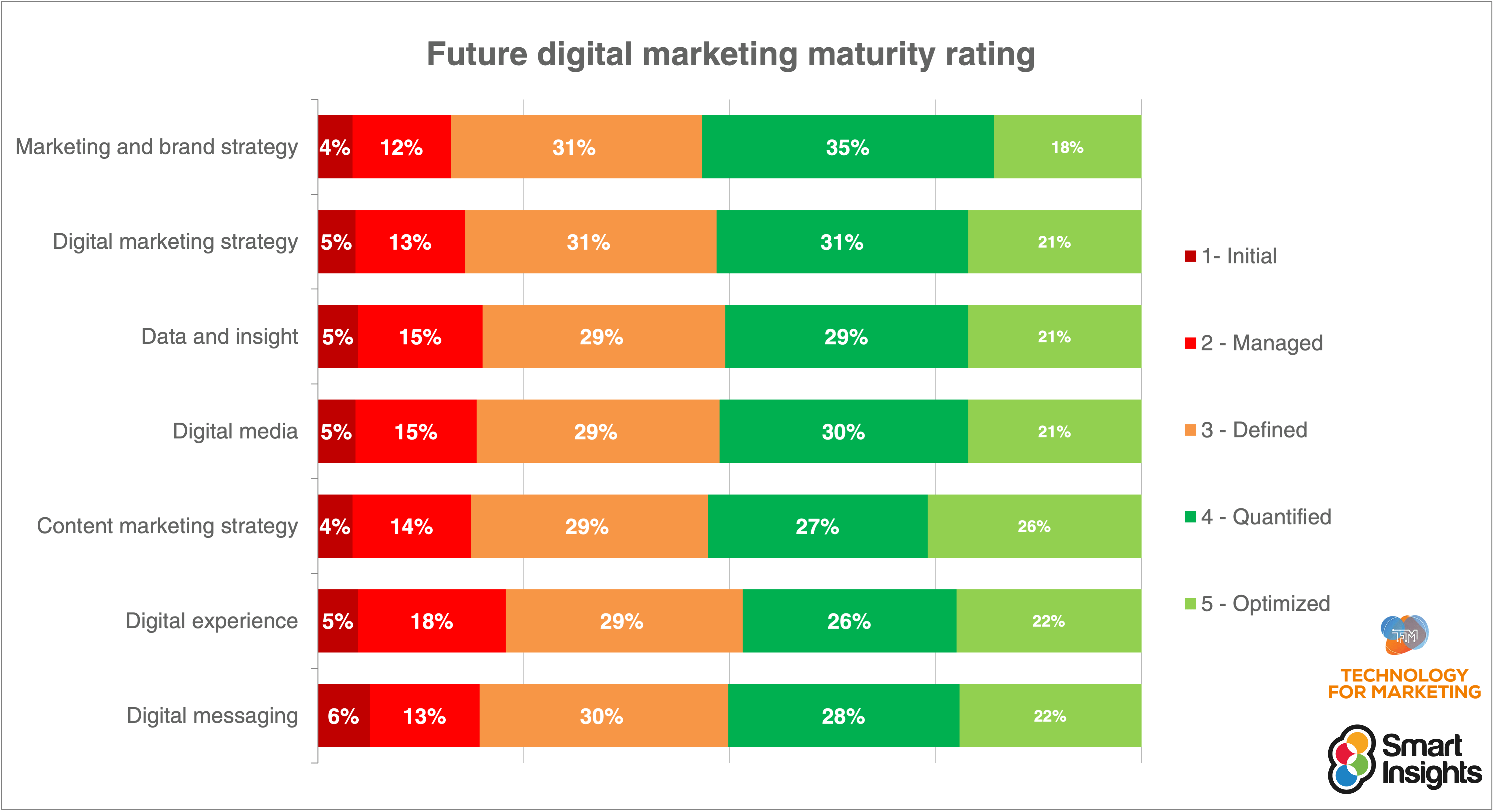
In 2025, the digital landscape is poised for transformative changes, particularly in the realm of social media marketing. Marketers must adapt to trends, technological advancements, and shifts in consumer behavior. As social media continues to evolve, so too must the strategies behind leveraging these platforms for maximum reach and engagement. Whether you are a seasoned marketer or just starting your digital journey, understanding the best social media marketing strategies for 2025 can be your ticket to success.
The Rise of Video Content
Video content has been a dominant force in social media marketing and will only gain more momentum in 2025. As platforms like TikTok, Instagram, and Facebook emphasize short-form videos, businesses must pivot their content strategies accordingly. Here are a few tips to implement this strategy effectively:
-
Focus on User-Generated Content (UGC): Encouraging your audience to create content related to your brand can significantly enhance engagement. It also works well in a video format. Consider holding contests or challenges that incentivize users to produce entertaining or informative video content featuring your product.
-
Live Video Streaming: Live streaming has taken off, and for good reason. It provides a platform for authentic, real-time interaction. In 2025, brands that utilize live video for product launches, Q&A sessions, or behind-the-scenes looks at their operations will stand out.
-
Short and Snackable Videos: In an era of dwindling attention spans, the ability to convey your message swiftly is paramount. Craft short, engaging clips that can be easily shared. Some social media analysts predict that 90-second videos will be the sweet spot in 2025.
Personalization at Scale
Personalization has been a buzzword for several years, but its importance will surge in 2025. As consumers become increasingly discerning, marketers must learn how to deliver tailored experiences across all platforms. Here are ways to achieve this:
-
AI-Driven Insights: Utilizing artificial intelligence tools will be crucial for gathering data about your audience’s preferences and behaviors. These insights can inform your content strategies, helping you create personalized ads and tailor your messaging to resonate with your specific audience.
-
Dynamic Content: Invest in dynamic content technologies that allow for customized messaging based on user behavior. For instance, if a user frequently engages with environmentally friendly products, your ads can feature sustainable goods that match their interests.
-
Segment Your Audience: For effective personalization, consider segmenting your audience further based on detailed demographics, interests, and behaviors. The more granular your audience segments, the more relevant your content can be.
The Importance of Social Commerce
By 2025, social commerce will likely gain an even stronger foothold in consumer purchasing behavior. Integrating shopping features within social media platforms simplifies the consumer’s journey and can massively boost conversion rates. Here’s how to optimize for social commerce:
-
Shoppable Posts and Stories: Utilize features that allow direct purchases from posts or stories. Platforms such as Instagram and Facebook are continually enhancing these features, and brands should leverage them to bridge the gap between browsing and buying.
-
Influencer Partnerships: Building collaborations with influencers who can authentically promote your products will help enhance credibility. Choose influencers whose followers align with your target demographic to maximize reach and engagement.
-
Chatbots for Customer Engagement: Integrate chatbot technology within your platforms to offer real-time shopping assistance. By providing quick responses to customer inquiries, you’re more likely to facilitate purchases and build customer loyalty.
Enhanced Community Engagement
In 2025, creating engaging communities around your brand will not just be an option—it’ll be essential. The shift from mere transactional relationships to community-focused interactions can help foster brand loyalty and advocacy. Here are ways to foster community engagement:
-
Exclusive Groups or Forums: Leverage platforms like Facebook to create exclusive groups where loyal customers can interact, share tips, and discuss your products. This community sense can turn customers into brand advocates.
-
Feedback Loops: Regularly engage with your community by seeking feedback and implementing suggestions. Doing so not only makes customers feel heard but can also enhance your product offerings and customer service.
-
User Polls and Surveys: Use polls and surveys to gauge community interests and sentiments. This approach can guide your future marketing efforts and product developments, keeping your audience engaged and invested.

- Overcome negative thought patterns, reduce stress, and live a worry-free life
- Overthinking is the biggest cause of unhappiness
- Don't get stuck in a never-ending thought loop
- Stay present and keep your mind off things that don't matter, and never will
- Break free of your self-imposed mental prison
Stay Ahead with Emerging Platforms
As the digital landscape shifts, new social media platforms will emerge, challenging established names. In 2025, brands that can adapt quickly to these changes will find lucrative opportunities. Here are strategies to stay ahead:
-
Experiment with New Platforms: Keep an eye on up-and-coming social media platforms. Platforms like BeReal or Clubhouse, for example, gained traction due to their unique offerings. Experimenting with these can set your brand apart.
-
Adopt Innovations Early: Emerging technologies such as augmented reality (AR) and virtual reality (VR) are likely to become more prominent in social media marketing. Brands that experiment with immersive experiences can engage audiences in novel ways.
-
Monitor Trends and Data: Use analytics tools to monitor metrics closely. Understanding audience behavior on these emerging platforms can help tailor your strategy effectively.
Leverage Data and Analytics
Data collection and utilization have never been more critical, and this trend will continue in 2025. Leveraging data analytics will provide actionable insights that can inform your strategies moving forward.
-
Track KPIs Over Time: Establish KPIs (Key Performance Indicators) and regularly analyze performance metrics to understand what’s working and what isn’t. Adjust your campaign strategies based on real-time data.
-
Competitor Analysis: Monitoring your competitors can provide valuable insights into successful strategies and potential pitfalls. Use tools to analyze competitor performance and learn from their successes and challenges.
-
A/B Testing: Consistently perform A/B testing on your social media content. This method enables you to refine your messaging and identify which elements drive the most engagement and conversion.
Prioritize Authenticity and Transparency
In the age of misinformation, consumers highly value brands that showcase authenticity and transparency. The call for brands to be genuine and relatable will only amplify as we move toward 2025.
-
Share Real Stories: Use your platforms to share authentic stories about your brand’s journey, including challenges and triumphs. Showcasing the human side of your brand can foster deeper connections with your audience.
-
Be Transparent About Practices: Whether it involves sourcing materials or labor practices, transparency builds trust. Show your audience the steps you take to provide ethical and sustainable products.
-
Address Concerns Openly: When issues arise, tackle them head-on. Acknowledging concerns and demonstrating how your brand is addressing them can enhance credibility and customer loyalty.
Embrace Inclusivity
In 2025, inclusivity will be more than just a trend—it’ll be an expectation. Consumers increasingly gravitate toward brands that represent diverse perspectives and backgrounds. Here’s how to embrace inclusivity in your marketing strategies:
-
Diverse Representation in Marketing: Ensure your marketing materials feature individuals from diverse backgrounds. Inclusive representation stretches beyond physical appearance to include various lifestyles, experiences, and viewpoints.
-
Engage with Diverse Communities: Create campaigns that directly engage with diverse audiences. This approach not only broadens your reach but also fosters meaningful connections with different communities.
-
Adapt to Accessibility Needs: Consider accessibility in your digital content—using captions on videos, alt text for images, and design choices that consider various disabilities. An inclusive approach makes your brand welcoming to all.
Conclusion
As we look ahead to 2025, the landscape of social media marketing will be dynamic and rich with opportunities for growth. By focusing on video content, personalization, social commerce, community engagement, and data analytics, brands can position themselves for success. Additionally, embracing authenticity, inclusivity, and staying flexible with emerging platforms will create a comprehensive strategy capable of meeting the challenges of the future.
Navigating the social media marketing world is continually evolving, and the brands that adapt and refine their strategies remain at the forefront of their industries. By implementing these strategies and staying informed about trends, you can ensure your brand thrives in the fast-paced, exciting future of social media marketing.


