
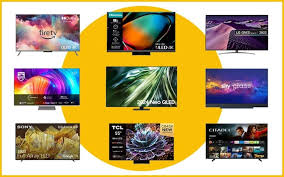
The Ultimate Guide to Choosing The Best TV Technology: Qled, Qned, Oled, Led, And More
Are you in the market for a new TV, but feeling overwhelmed by the numerous technologies available? Look no further! In this comprehensive guide, we’ll delve into the world of modern TV technology, exploring the pros and cons of QLED, QNED, OLED, LED, and other options. By the end of this article, you’ll be equipped with the knowledge to make an informed decision and find the perfect TV for your needs.
Understanding Modern TV Technology
Before we dive into the specifics of each technology, it’s essential to understand how modern TVs work. Gone are the days of bulky CRT (Cathode Ray Tube) displays. Today’s TVs use a combination of backlighting, LED lights, and sophisticated display panels to produce vibrant images. The type of panel used can significantly impact picture quality, contrast, and overall viewing experience.
Qled: Quantum Dot Technology
Samsung’s QLED technology is a significant player in the modern TV market. QLED uses tiny crystals called quantum dots to create colors, resulting in a more accurate and nuanced color gamut. This technology also employs a full-array backlighting system, providing deeper blacks and improved contrast. QLED TVs are known for their exceptional brightness, making them ideal for well-lit rooms.
Qned: Quantum Dot Nanocell Technology
LG’s QNED technology is an evolution of the QLED concept, incorporating quantum dot nano-cell technology. This panel type combines the advantages of LED lights with the precision of quantum dots, resulting in superior color accuracy and contrast. QNED TVs are designed to provide a more immersive viewing experience, with enhanced colors and deeper blacks.
Oled: Organic Light-emitting Diode Technology
OLED panels use an organic material that emits light when an electric current is passed through it. This technology allows each pixel to be turned on and off individually, resulting in true blacks and infinite contrast ratio. OLED TVs are known for their exceptional color accuracy, wide viewing angles, and slim designs.
Led: Light-emitting Diode Technology
LED TVs use a backlighting system to illuminate an LCD (Liquid Crystal Display) panel. This technology is still widely used today, offering a more affordable option for budget-conscious consumers. While LED TVs can provide decent picture quality, they often lack the depth and contrast of QLED, QNED, or OLED displays.
Other TV Technologies
In addition to these main players, there are other TV technologies worth mentioning:
- Curved Tvs: These TVs use a curved panel to create an immersive viewing experience. While they can be effective in certain situations, their limitations in terms of viewing angles and cost-effectiveness make them less desirable.
- Lcd Tvs: LCD (Liquid Crystal Display) panels use a backlighting system to illuminate the liquid crystals, resulting in a more affordable option for budget-conscious consumers. However, LCD TVs often lack the depth and contrast of other technologies.
What to Consider When Choosing a TV Technology
When selecting a new TV, there are several factors to consider beyond just technology:
- Screen Size: Choose a TV that fits your viewing space and preferences.
- Resolution: Opt for a 4K (3840 x 2160 pixels) or higher resolution for superior picture quality.
- Hdr (High Dynamic Range): This technology enhances color accuracy, contrast, and overall viewing experience. Look for TVs with HDR capabilities like Dolby Vision or HDR10+.
- Refresh Rate: A higher refresh rate (up to 120Hz or more) can provide a smoother gaming experience.
- Connectivity: Ensure your TV has the necessary ports to connect external devices, such as HDMI and USB.
Conclusion
Choosing the right TV technology depends on various factors, including budget, viewing habits, and personal preferences. By understanding the pros and cons of QLED, QNED, OLED, LED, and other technologies, you’ll be better equipped to make an informed decision. Remember to consider factors like screen size, resolution, HDR capabilities, refresh rate, and connectivity when selecting your next TV.
Frequently Asked Questions (FAQs)
- What is The Difference Between Qled And Oled?
QLED uses quantum dots for color creation, while OLED employs organic materials that emit light. - Is Qned a New Technology?
QNED is an evolution of LG’s NanoCell technology, combining quantum dot nano-cells with LED lights. - Which TV Technology Provides The Best Picture Quality?
OLED TVs are generally considered to offer the best picture quality due to their infinite contrast ratio and true blacks. - What is Hdr (High Dynamic Range)?
HDR enhances color accuracy, contrast, and overall viewing experience by providing a wider range of colors and nuances. - Can I Use my TV For Gaming?
Yes, many modern TVs are suitable for gaming, especially those with high refresh rates and low input lag.
Best Tvs to Consider
- Samsung Qled 50Q50AEUXZT: A well-regarded QLED TV offering excellent picture quality and features.
- LG Qned 50QNED816RE: An impressive QNED TV providing superior color accuracy, contrast, and viewing angles.
- LG Oled Evo 48″: A high-end OLED TV featuring stunning picture quality, true blacks, and infinite contrast ratio.
Note: Prices may vary depending on the retailer and availability.


