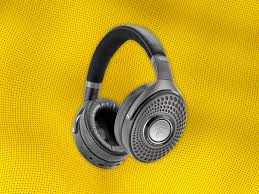
Better Bonnets: A Comprehensive Guide to Wireless Headphones (2024)
Are you in the market for a new pair of wireless headphones but don’t want to break the bank? Look no further! In this article, we’ll guide you through the world of wireless headphones, discussing their technical differences, and providing you with the best solutions available at present.
Choosing The Right Wireless Headphones
Wireless headphones are not created equal. They differ in form, sound type, and other technical characteristics. When shopping for wireless headphones, consider the following:
- Format: Wireless headphones come in two formats: On-ear (over-ear) and over-ear/around-ear. On-ear headphones are smaller and sit directly on the earphones, while over-ear/around-ear headphones have “pincushion” protrusions that cover the earphones.
- Channels Audio: Wireless headphones can be stereo, 5.1, Or 7.1. Stereo headphones are ideal for music listening, while 5.1 And 7.1 Channels are better suited for gaming.
- Technology: Wireless headphones use various technologies, including Bluetooth, radio frequency (RF), and infrared. Bluetooth is the most common, offering a range of around 10 meters.
Microphone And Controls
Most wireless headphones come equipped with microphones and controls that allow you to answer calls, regulate volume, and interact with voice assistants like Siri or Google Assistant.
- Impedance: Impedance measures the resistance exercised by headphones on audio signals. Higher impedance generally results in better sound quality.
- Frequency Response: Frequency response indicates the range of frequencies a headphone can cover (measured in Hz). Look for headphones with wide frequency responses and low gaps.
- Sensitivity: Sensitivity measures acoustic pressure expressed by headphones in relation to voltage applied. Higher sensitivity means higher volume without distortion.
- Driver Size And Type: Driver size and type affect sound quality. Larger drivers often result in better bass, but can also make headphones heavier.
Noise Cancellation And Isolation
Some wireless headphones offer active noise cancellation (ANC), which uses microphones to detect and eliminate external sounds. Look for headphones with ANC if you want to minimize distractions.
- Autonomy: Wireless headphones have variable autonomy, ranging from several hours to days. Some models also allow fast charging.
- Quality of Sound: Before buying wireless headphones, research their sound quality, considering factors like impedance, frequency response, sensitivity, and driver size.
Top Wireless Headphones
Here are some top wireless headphone recommendations:
- Uliptz Wh202a: These high-quality headphones offer excellent audio fidelity, long battery life, and a comfortable design.
- Doqaus Bonnets Wireless Bluetooth: This product boasts impressive functionalities, including 90 hours of playback time and three equalization modes.
- Sony Wh-ch720n: These wireless headphones feature advanced noise-cancelling technology, excellent sound quality, and long battery life.
- Soundcore by Anker Q30: This pair of wireless headphones offers active noise cancellation, high-quality audio, and a comfortable design.
- Jbl Tune 760NC: These wireless headphones provide superior audio quality, long battery life, and active noise cancellation.
Tips For Choosing Wireless Headphones
- Consider your budget and needs before choosing wireless headphones.
- Research the technical specifications of each model to find the best fit for you.
- Look for headphones with good sound quality, comfortable designs, and long battery life.
- If you’re interested in gaming or watching movies, consider headphones with surround sound capabilities.
Conclusion
Choosing the right wireless headphones can be overwhelming, but by considering factors like format, technology, microphone, controls, impedance, frequency response, sensitivity, driver size, noise cancellation, autonomy, and sound quality, you’ll find the perfect pair for your needs. Remember to research top models, read reviews, and consider your budget before making a purchase.
Faqs
- What is the difference between on-ear and over-ear wireless headphones?
Answer: On-ear headphones are smaller and sit directly on the earphones, while over-ear/around-ear headphones have protrusions that cover the earphones. - Which technology should I choose for my wireless headphones?
Answer: Bluetooth is the most common and versatile option, offering a range of around 10 meters. - What is noise cancellation, and how does it work?
Answer: Noise cancellation uses microphones to detect and eliminate external sounds, resulting in a quieter listening experience. - How long do wireless headphones typically last on a single charge?
Answer: Autonomy varies depending on the model, but most wireless headphones can last anywhere from several hours to days. - What is the difference between stereo, 5.1, And 7.1 Channels?
Answer: Stereo channels are ideal for music listening, while 5.1 And 7.1 Channels are better suited for gaming or watching movies with surround sound capabilities. - How do I choose the best wireless headphones for my budget?
Answer: Research top models, read reviews, and consider your needs before making a purchase. - What is impedance, and why is it important in wireless headphones?
Answer: Impedance measures the resistance exercised by headphones on audio signals. Higher impedance generally results in better sound quality. - How do I ensure the best possible sound quality from my wireless headphones?
Answer: Research the technical specifications of each model, considering factors like frequency response, sensitivity, and driver size.
Remember to always research and read reviews before making a purchase to ensure you find the perfect pair of wireless headphones for your needs!