
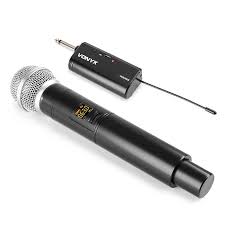
Better Microphones Wireless: A Guide to Shopping (2024)
Are you a musician, YouTuber, podcaster, or content creator looking for the best wireless microphones to enhance your audio quality? Look no further! In this article, we’ll guide you through the top wireless microphones in 2024, highlighting their features, pros, and cons. We’ll also cover essential factors to consider when choosing a wireless microphone that suits your needs.
Types of Wireless Microphones
Wireless microphones come in various types, each designed for specific use cases:
- Handheld Microphones: Ideal for concerts, presentations, and interviews.
- Lavalier Microphones: Perfect for interviews, presentations, and video productions.
- Headset Microphones: Suitable for fitness instructors, presenters, and artists who require a stable setup.
- Shotgun Microphones: Directional microphones for professional video recordings.
Factors to Consider When Choosing a Wireless Microphone
- Frequency: Ensure the microphone operates on a suitable frequency band (VHF or UHF) that suits your use case.
- Audio Quality: Consider the microphone’s answer in frequency, SNR (signal-to-noise ratio), and capsule quality for high-fidelity sound capture.
- Battery Life: Opt for microphones with long battery life (> 20 hours) and easy battery replacement or recharge options.
- Compatibility: Verify the microphone’s compatibility with your devices and operating systems.
Top Wireless Microphones in 2024
- Ryzwoc Microphone Wireless Type C
- Features: 2.4GHz wireless connectivity, plug-and-play design, and long battery life (up to 8 hours).
- Pros: Easy to use, high-quality sound capture, and compact design.
- Cons: No support for online calls and chat.
- Voviggol Microphone Lavalier Wireless
- Features: 360° Pickup capability, advanced rumble cancellation, and long battery life (up to 6 hours).
- Pros: Easy to use, high-quality sound capture, and compact design.
- Cons: No support for online calls and chat.
- Balila Speaker For Conferences Wireless
- Features: 5 Omnidirectional microphones, advanced rumble cancellation, and long battery life (up to 6 hours).
- Pros: Easy to use, high-quality sound capture, and compact design.
- Cons: No support for online calls and chat.
- Little Tikes Microphone Wireless
- Features: Plug-and-play design, long battery life (up to 6 hours), and easy-to-use interface.
- Pros: Easy to use, high-quality sound capture, and compact design.
- Cons: No support for online calls and chat.
What to Consider When Choosing a Microphone
- Tipology: Choose the right microphone type based on your intended use case (e.G., Handheld, lavalier, or shotgun).
- Destination of Use: Select a microphone suitable for your specific needs (production audio, video production, events, or hobbies).
- Frequency: Opt for microphones operating on the VHF or UHF frequency bands for optimal sound quality.
- Audio Quality: Prioritize microphones with high-quality sound capture features, such as wide frequency response and low SNR.
Conclusion
Choosing the right wireless microphone can make a significant difference in your audio quality and overall experience. By considering factors like frequency, audio quality, battery life, compatibility, and microphone type, you’ll be able to find the perfect microphone for your needs. Remember to also check the manufacturer’s specifications and reviews from other users to ensure you’re making an informed decision.
Frequently Asked Questions (FAQs)
- Q: What is The Best Wireless Microphone For Beginners?
A: The Ryzwoc Microphone Wireless Type C or VOVIGGOL Microphone Lavalier Wireless are excellent options for beginners, offering easy-to-use interfaces and high-quality sound capture. - Q: How Long Does a Typical Wireless Microphone Battery Last?
A: Battery life varies depending on the microphone model, but most modern microphones offer at least 20 hours of autonomy. - Q: Can I Use a Wireless Microphone For Online Calls And Chat?
A: Most wireless microphones do not support online calls and chat features. - Q: What is The Difference Between Vhf And Uhf Frequency Bands?
A: VHF frequency bands (30 MHz – 300 MHz) are often used for consumer-grade devices, while UHF frequency bands (300 MHz – 3 GHz) offer better range and less interference. - Q: How do I Ensure Compatibility With my Device?
A: Check the manufacturer’s specifications to ensure compatibility with your device and operating system.
Get Your Perfect Wireless Microphone Today!
As an Amazon affiliate, we encourage you to explore our recommended wireless microphones and find the perfect fit for your needs. Happy shopping!


