
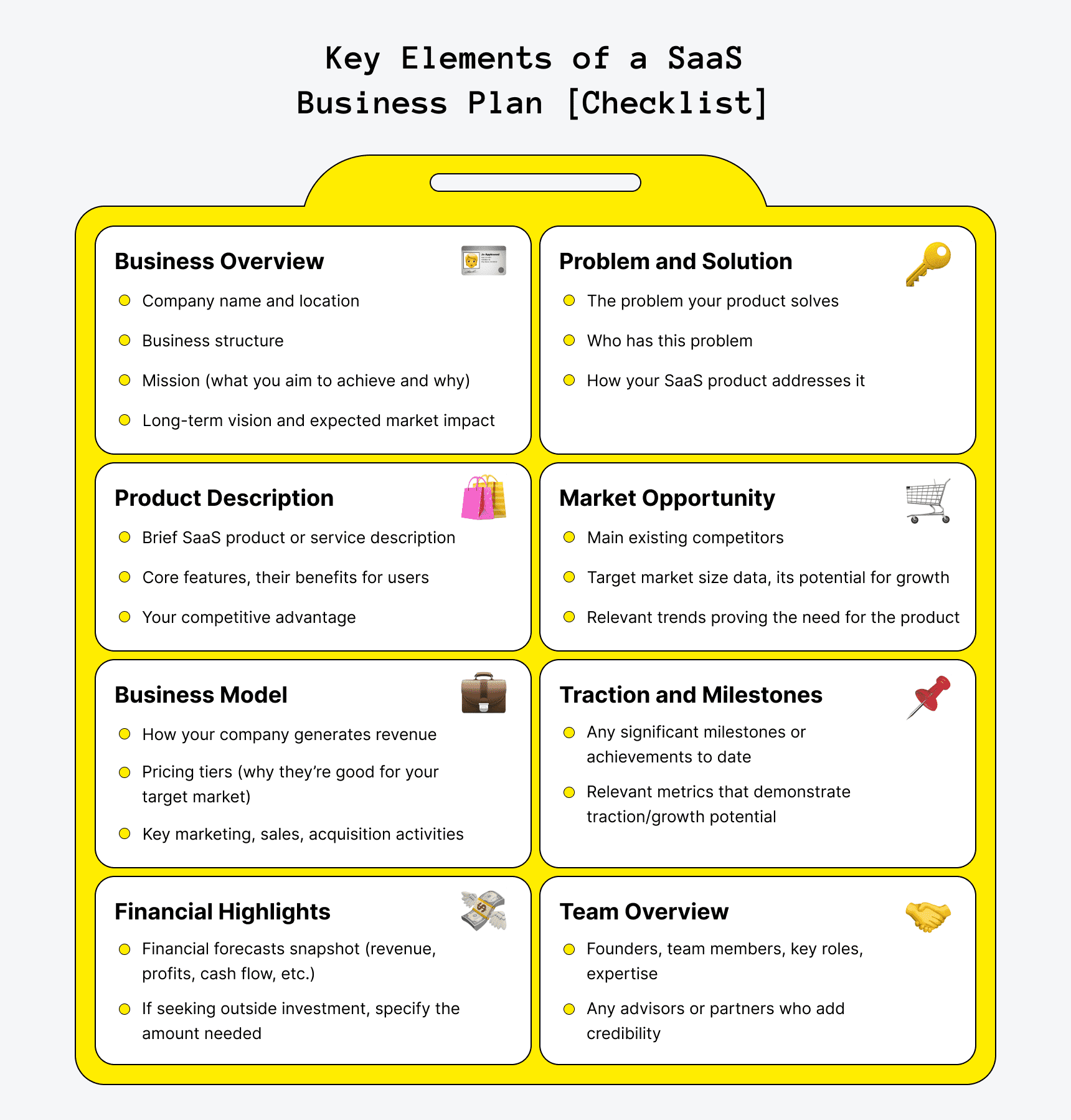
Starting a Software as a Service (SaaS) business can be an exhilarating experience, filled with the promise of transforming industries and generating a steady income stream. However, while innovative ideas and products are critical, it’s the careful financial planning that often distinguishes successful startups from those that fail. One of the most vital components of your startup’s financial strategy is cash flow management. In this article, we will explore how to build an effective SaaS cash flow plan for your startup business.
Understanding Cash Flow in a SaaS Business Model
Before diving into the details of creating a cash flow plan, it’s essential to grasp what cash flow means in the context of a SaaS startup. Cash flow refers to the money coming in and going out of your business. For SaaS companies, this usually involves subscription fees from customers, which can result in a recurring revenue model that is particularly appealing to investors.
Key Components of SaaS Cash Flow
- Recurring Revenue:
-
This is the lifeblood of any SaaS business. Understanding your Average Revenue Per User (ARPU), monthly recurring revenue (MRR), and customer lifetime value (CLTV) is crucial.
-
Churn Rate:
-
Churn rate reflects the percentage of subscribers who cancel their subscription in a given period. High churn rates can strongly affect your cash flow and should be monitored and managed effectively.
-
Operational Expenses:
-
This includes costs associated with running your business, such as salaries, software licenses, server costs, marketing, and sales expenses.
-
Customer Acquisition Costs (CAC):
-
Understanding how much it costs to acquire new customers will help you create a sustainable growth strategy.
-
Seasonality:
- For some SaaS businesses, cash flow may be affected by seasonality, which can influence buying patterns and subscription sign-ups.
Setting Financial Goals
Once you understand the vital components of your cash flow, the next step is to set precise financial goals tailored to your startup. This might include revenue targets, certain metrics related to CAC and churn, or overall growth rate objectives. Establishing clear, measurable goals will help steer your cash flow activities and ensure that they align with your business aspirations.
Short-Term vs. Long-Term Financial Goals
-
Short-Term Goals: Focus on immediate cash flow needs. This could involve covering operational expenses or launching a marketing campaign.
-
Long-Term Goals: May involve scaling your company, introducing new features, or even preparing for a funding round.
Crafting Your Cash Flow Plan
Now let’s get into the nitty-gritty of crafting a cash flow plan. Here are the steps to consider:
1. Calculate Revenue Streams
For a SaaS business, the primary revenue stream comes from subscriptions. Start by creating a price model that reflects your service’s value. Here are important factors to consider:
-
Pricing Model: Monthly vs. annual billing. Offering annual subscriptions can improve cash flow upfront.
-
Tiered Pricing: Offering different service levels can attract a broader customer base.
After establishing your pricing, project your expected subscribers for the next twelve months while factoring in anticipated growth.
2. Estimate Operational Expenses
Create a comprehensive list of expected expenses. This includes:
-
Fixed Costs: Salaries, rent, and essential subscriptions/services.
-
Variable Costs: Marketing spend, commission for sales teams, and platform costs—these might fluctuate based on business activity.
Being as accurate as possible will help you avoid unexpected cash shortages.
3. Monitor Cash Flow
Use financial software to help you track daily cash flow. This software can provide real-time insights into cash in and cash out, making it easier to identify potential problems before they arise.
4. Build Your Profit and Loss Statement
A profit and loss (P&L) statement summarizes revenues and expenses over a specific timeframe. Understanding how these figures interact will provide insights into where you can reduce costs and areas where you might increase revenue.

- Overcome negative thought patterns, reduce stress, and live a worry-free life
- Overthinking is the biggest cause of unhappiness
- Don't get stuck in a never-ending thought loop
- Stay present and keep your mind off things that don't matter, and never will
- Break free of your self-imposed mental prison
5. Create Cash Flow Projections
Your cash flow projection predicts your future cash flow based on the previous calculations. It’s typically done on a monthly basis for at least one year. If you’re anticipating rapid growth, consider extending projections to 18 to 24 months.
-
Inflows: Starting with your monthly subscription revenue, estimate when you expect cash to come in.
-
Outflows: Detail when you expect to pay operational expenses based on your expense list.
Tips for Optimizing Your SaaS Cash Flow
1. Implement Efficient Billing Processes
Use automated billing solutions to streamline the subscription process. This reduces the time between when a service is rendered and when payment is received, improving cash flow.
2. Focus on Customer Retention
Reducing churn directly affects cash flow. Simple measures are effective; investing in customer support, onboarding processes, and personalized communications are vital in retaining subscribers.
3. Offer Discounts for Annual Payments
Encouraging customers to commit to annual payments instead of monthly can substantially boost short-term cash reserves. Offering a small discount for upfront annual payments incentivizes this behavior.
4. Plan for Seasonality
If you know that your cash flow dips at certain times of the year, plan accordingly. Build a financial buffer during high-revenue months to cover lean times.
5. Keep Full Control of Your Subscription Metrics
Regularly monitor key metrics such as MRR, churn rate, and CAC to stay on top of your financial situation. Continuous monitoring allows for rapid adjustments to optimize cash flow.
Utilizing Financial Tools for SaaS Cash Flow Management
There’s an array of financial tools available to assist in cash flow management. Some popular software options include:
-
QuickBooks: Ideal for basic bookkeeping and financial reporting.
-
Xero: Offers robust automation features, making it easy to manage invoicing and other accounts payable/receivable tasks.
-
ProfitWell: Tailored for SaaS companies, it provides insights into subscription metrics and churn.
Using these tools can simplify the complex nature of cash management and provide deeper insights into your financial landscape.
Common Mistakes to Avoid When Building a SaaS Cash Flow Plan
As you work on your SaaS cash flow plan, keep an eye out for common pitfalls:
-
Underestimating Expenses: It’s crucial to take an honest look at what it costs to run your business – avoid the temptation to lowball this figure.
-
Ignoring Churn: Failing to account for churn can lead to unrealistic revenue projections.
-
Procrastinating on Projections: Building cash flow predictions takes time, but putting it off can lead to poor financial decisions.
-
Neglecting Customer Engagement: Failing to foster loyalty among existing customers can increase churn rates, impacting cash flow.
-
Not Adjusting Plans: Be prepared to revisit and revise your cash flow plan as your business grows or market conditions change.
Conclusion
Building a SaaS cash flow plan can be a daunting task, but it is essential for ensuring the viability and growth of your startup. By focusing on understanding your revenue streams, estimating expenses accurately, and constantly monitoring your metrics, you can establish a robust cash flow strategy that supports your business goals.
In an ever-evolving digital landscape, the ability to adapt and proactively manage your cash flow can dramatically improve your chances of success. Utilize the insights and tools discussed in this guide to create a cash flow plan that steers your SaaS startup toward growth and profitability. With careful planning and execution, you’ll be well on your way to turning your innovative ideas into a sustainable and thriving business model. Happy planning!


