
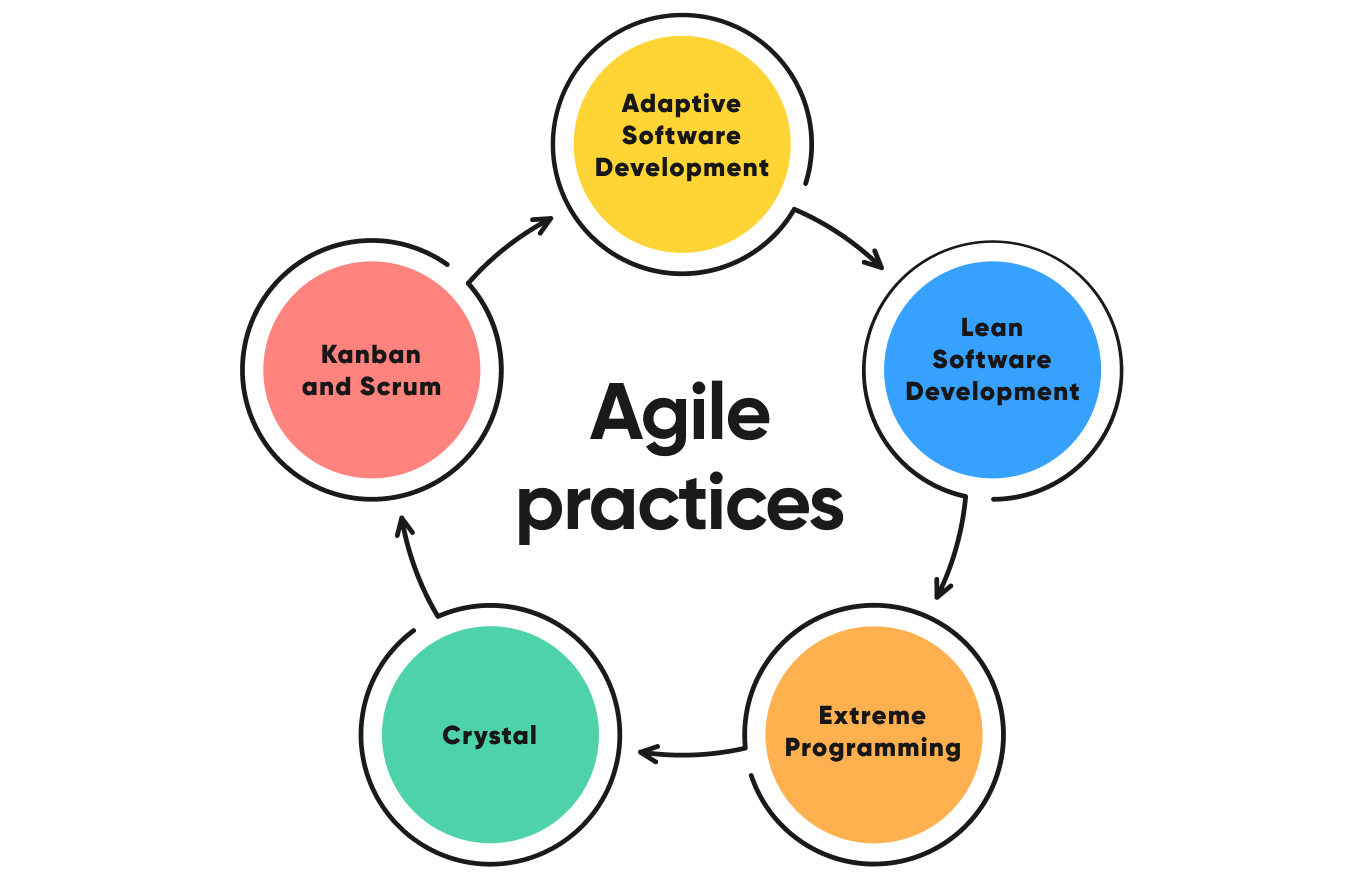
Are you looking to supercharge your Software as a Service (SaaS) business plan? If so, understanding how to build an Agile development model can significantly enhance your project management and product development processes. In this article, we will explore what an Agile development model is, its importance in the context of a SaaS business plan, and practical steps to implement it effectively.
What is Agile Development?
Agile development is a project management philosophy that promotes flexibility, collaboration, and customer-centered results. Originally conceived for software development, Agile methodologies—like Scrum or Kanban—emphasize iterative progress, adaptive planning, and evolutionary development. The goal is to be able to respond swiftly to changes, enhancing the ability to deliver a high-quality product that meets customers’ needs.
For SaaS businesses, which often face rapidly evolving market demands and technologies, employing an Agile model can lead to a more dynamic business plan and more robust product offerings.
Why Adopt Agile for Your SaaS Business Plan?
-
Increased Flexibility: In the fast-paced world of SaaS, requirements often change due to customer feedback or competitive pressures. Agile development allows you to pivot quickly in response to these changes.
-
Customer-Centric Focus: By building your product iteratively, you are in a better position to adapt your offerings to the needs of your users. This typically results in greater customer satisfaction and loyalty.
-
Quicker Time to Market: Agile methodologies help you break down projects into smaller, manageable parts. This means you can release updates or new features more frequently, gaining a competitive edge.
-
Enhanced Team Collaboration: Agile promotes teamwork across different departments, enabling better communication and resource sharing. This can lead to more innovative solutions and faster problem resolution.
-
Risk Mitigation: Continuous testing and development phases enable you to spot issues early in the process, reducing the risk of significant product failures.
Steps to Build an Agile Development Model for Your SaaS Business Plan
Step 1: Understand Your Customers
Before you start building your Agile model, invest time in understanding your target audience. Conduct surveys, interviews, and focus groups to gather insights on their needs and pain points. This foundational knowledge allows you to prioritize features that deliver the most value.
Step 2: Create a Cross-Functional Team
Form a diversified team that includes product managers, developers, designers, and quality assurance specialists. Agile thrives on collaboration; having stakeholders from various domains enables a richer understanding of problems and potential solutions.
Step 3: Choose the Right Agile Framework
There are multiple Agile frameworks available, such as Scrum, Kanban, or Lean. Here’s a brief overview:
- Scrum: Involves time-boxed sprints (usually lasting two to four weeks) and stand-up meetings that keep everyone aligned and accountable.
- Kanban: Focuses on visualizing the workflow with a Kanban board to limit work in progress. This method allows for continuous delivery of features.
- Lean: Aims to maximize customer value while minimizing waste, emphasizing efficient resource utilization.
Choose the framework that aligns best with your organizational culture and project requirements.
Step 4: Define Your Minimum Viable Product (MVP)
Once your agile team is assembled, the next step is to define your MVP—your SaaS product’s core feature set that delivers value to users without extraneous functionalities. Focusing on delivering an MVP allows your team to get your product into the hands of users more quickly, gaining valuable insights and feedback that should drive further development.
Step 5: Set Up Iterative Development Cycles
With your MVP defined, establish short, iterative development cycles. These sprints will allow your team to focus on creating and improving specific aspects of your product while maintaining regular feedback loops. Daily stand-ups and reviews at the end of each sprint help ensure consistent progress and adaptability to any arising challenges.
Step 6: Engage in Continuous Testing and Feedback
Quality assurance shouldn’t be an afterthought; integrate continuous testing into your development cycles. Automated testing tools can expedite this process, enabling your team to catch issues early and frequently.
Additionally, solicit feedback through beta testing groups. Offering incentives for early users can ensure a steady influx of valuable insights that improve product iterations.

- Overcome negative thought patterns, reduce stress, and live a worry-free life
- Overthinking is the biggest cause of unhappiness
- Don't get stuck in a never-ending thought loop
- Stay present and keep your mind off things that don't matter, and never will
- Break free of your self-imposed mental prison
Step 7: Adapt and Revise Your Business Plan
Using Agile methodologies in product development should also reflect in your overall business strategy. As you gain insights into customer needs, your business plan should evolve. Set regular intervals—perhaps quarterly—to assess your plan, incorporating data-driven insights to refine your objectives and investments.
Step 8: Invest in Tools and Technologies
Utilize Agile project management tools that facilitate communication, collaboration, and project tracking. Popular options include Jira, Trello, or Asana. These platforms often come with built-in features that can streamline your team’s workflow—like sprint planning tools, backlog management, and task assignment functionalities.
Step 9: Foster an Agile Mindset Across the Organization
Agile isn’t just about processes; it’s a mindset. Encourage a culture that values experimentation, embraces change, and prioritizes collaboration. Offer training sessions or workshops to help your team understand and embody Agile principles fully.
Step 10: Measure Success
Establish key performance indicators (KPIs) to measure the success of your Agile implementation. Track metrics like customer satisfaction, cycle time, and product quality. Utilize this data for continuous improvement, making it a natural part of your Agile development process.
Conclusion: The Path Forward
Building an Agile development model for your SaaS business plan isn’t a one-time effort but a continuous journey. With flexibility, customer-centric design, iterative processes, and data-driven insights, you can navigate the complexities of the SaaS landscape while remaining responsive to the ever-changing needs of your users.
Remember, adopting an Agile model is not merely about implementing new tools or processes—it’s about fostering a culture that encourages innovation, collaboration, and adaptability. Follow these steps, remain open to feedback, and continuously refine your strategies to ensure the ongoing success of your SaaS business.
As you progress on your Agile journey, remember that the end goal is to create products that not only meet business objectives but also enhance user experiences. So gear up your projects, aim high, and let Agile pave the way to your SaaS success!
FAQs about Agile Development and SaaS Business Plans
What are the key principles of Agile development?
Agile development is based on several key principles, including:
– Customer satisfaction through early and continuous delivery of valuable software.
– Welcoming changing requirements, even late in development.
– Frequent delivery of working software.
– Collaboration between business stakeholders and developers.
– Motivation and trust within the team.
Can a traditional SaaS business transition to Agile?
Absolutely! A traditional SaaS business can gradually transition to an Agile model by starting with small teams or projects and incrementally adopting Agile practices across the organization. Change management and proper training can facilitate this process.
What challenges might we face while implementing Agile?
Common challenges include resistance to change, team dynamics, and inadequate training. Addressing these issues early through open communication, workshops, and team-building exercises can mitigate risks and foster a positive Agile culture.
How long does it take to see results from Agile implementation?
The timeline can vary significantly, depending on your organization’s structure and project complexity. However, many companies report seeing benefits within a few sprints, particularly in terms of team collaboration and user feedback.
Is Agile development suitable for all SaaS projects?
While Agile is highly adaptable, it may not be the best fit for highly regulated or linear projects. Evaluate your project’s characteristics against Agile principles to determine suitability.
By understanding and applying these concepts, you’re on your way to creating a more resilient and successful SaaS business. Embrace the Agile journey, and witness the transformation in how you build, test, and deliver value to your customers!


