
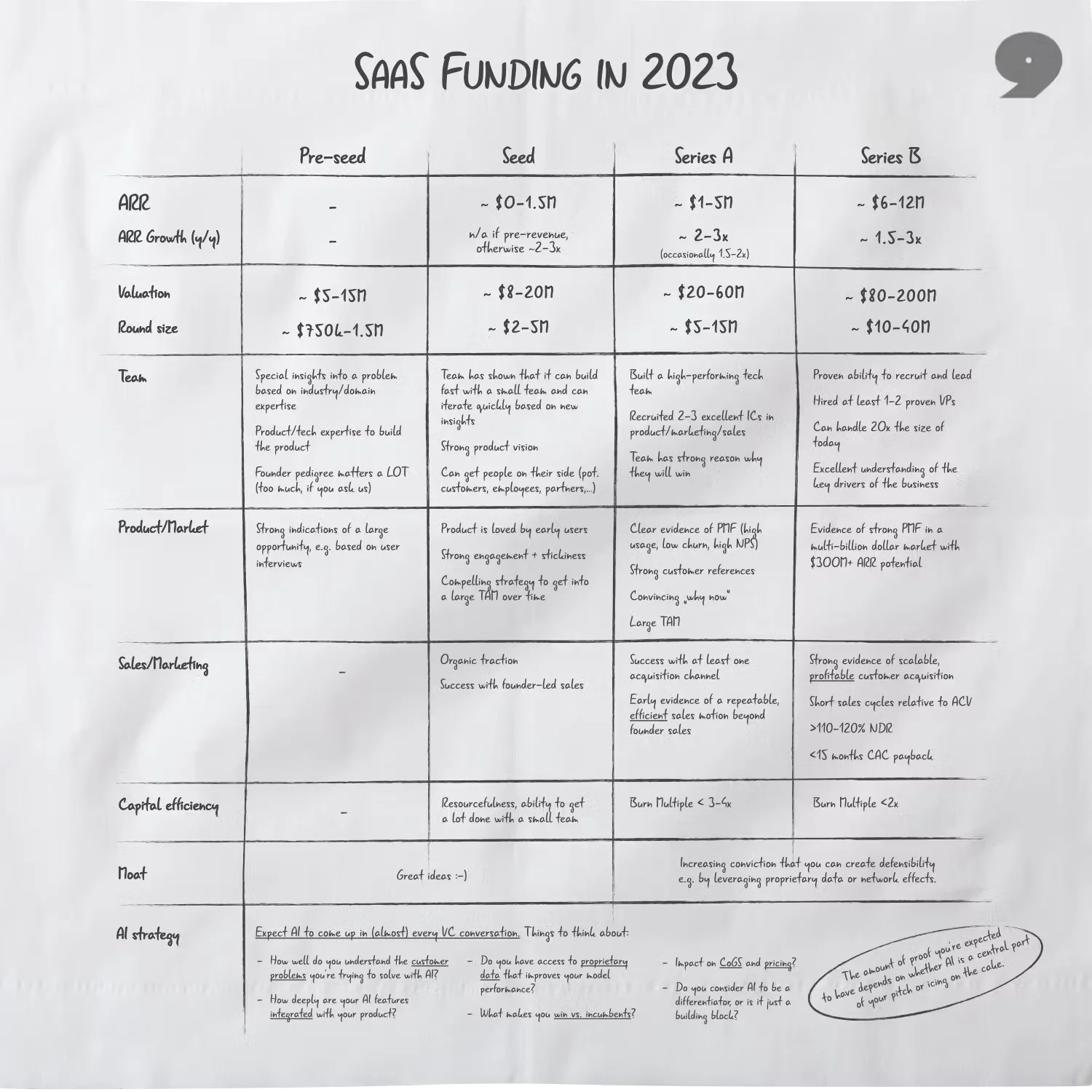
When it comes to startups in the tech industry, few models are as attractive as Software as a Service (SaaS). Creating a successful SaaS business requires not just a solid product, but also a comprehensive and appealing business plan that can secure funding from investors at various stages. In this article, we’ll take an in-depth look at a successful SaaS company that navigated the intricate maze of fundraising by crafting a compelling business plan that attracted both seed and Series A investments.
Understanding the SaaS Landscape
Before diving into our case study, let’s set the stage by understanding the SaaS landscape. SaaS businesses offer software solutions through the cloud, allowing customers to access applications without the need for physical installations. This model has gained massive traction due to its flexibility, lower upfront costs, and scalability. According to a report by Deloitte, the global SaaS market was projected to reach USD 623 billion by 2023.
However, as enticing as the industry may be, the competition is fierce. To stand out, entrepreneurs need businesses that are not only innovative but also scalable while addressing real pain points. This is where a well-structured business plan comes into play.
Identifying the Problem: The Inspiration Behind the SaaS Business Plan
The case study in question revolves around a fictitious company we’ll call CloudTasker. Founded by three tech-savvy entrepreneurs, the idea for CloudTasker was born out of their own frustrations. They were frequently overwhelmed by task management and project collaboration tools that didn’t quite meet their needs.
After recognizing a gap in the market for a robust yet user-friendly project management solution, the CloudTasker team set to work developing a platform that not only streamlined tasks but also enhanced team communication in real time. Armed with a clear problem to address, they rolled up their sleeves and began drafting a business plan.
Step 1: Crafting a Compelling Value Proposition
At the heart of any effective SaaS business plan is a strong value proposition. CloudTasker’s team dedicated significant time to define what set their product apart from the myriad of competitors. They identified their unique selling points (USPs), such as:
- Integrated Collaboration Tools: Unlike other platforms, CloudTasker combined task management with integrated communication tools.
- User-Friendly Interface: They focused on creating a simple, intuitive interface that required minimal training.
- Scalability: CloudTasker was designed to grow with the needs of clients, making it suitable for startups and large enterprises alike.
With a strong value proposition in hand, they were ready to showcase how their SaaS product was not just another tool in a crowded market but a game-changer.
Step 2: Conducting Market Research
The next crucial step was thorough market research. Understanding the competitive landscape and identifying target customers were key elements of CloudTasker’s business plan. They conducted surveys, analyzed competitors, and segmented their target audience into distinct personas: project managers, remote teams, and freelancers.
Through this research, they were able to identify industry trends, customer pain points, and gaps in competitors’ offerings. This information not only honed CloudTasker’s product development but also shaped their marketing strategy down the line.
Step 3: Creating a Financial Model
Armed with invaluable insights, the CloudTasker team ventured into financial forecasting. A robust financial model is imperative for attracting investors, as it provides a roadmap for the company’s growth and revenue generation.
CloudTasker developed a detailed five-year financial projection that included:
- Revenue Streams: They identified subscription models—monthly and yearly plans—alongside potential upselling opportunities for premium features.
- Cost Structure: Understanding fixed and variable costs helped the team plan effectively for profitability.
- User Growth Projections: Based on competitor analysis and market trends, they mapped out projected user growth and retention rates.
Their financial model painted a compelling picture of a business poised for growth, which was crucial for their funding efforts.
Step 4: Designing a Go-to-Market Strategy
With the foundation set, CloudTasker built a detailed go-to-market strategy that outlined how they intended to acquire customers. This included:
- Targeted Digital Marketing Campaigns: Utilizing SEO, content marketing, and paid ads to reach potential customers.
- Partnership Leveraging: They identified potential synergies with other tech tools and planned to create strategic partnerships for cross-promotion.
- Free Trial Offering: To entice new customers, CloudTasker introduced a 14-day free trial to lower the barrier to entry.
This strategy not only articulated their roadmap but also showcased their understanding of customer acquisition—a key concern for investors.

- Overcome negative thought patterns, reduce stress, and live a worry-free life
- Overthinking is the biggest cause of unhappiness
- Don't get stuck in a never-ending thought loop
- Stay present and keep your mind off things that don't matter, and never will
- Break free of your self-imposed mental prison
Step 5: Securing Seed Funding
With a solid business plan in place, CloudTasker was ready to approach potential investors for seed funding. They pitched their plan to interested networks and angel investors. Their pitch deck was clear, concise, and visually engaging, summarizing the key components of their business plan.
Within months, they secured $500,000 in seed funding, which allowed them to finalize product development, enhance their marketing efforts, and expand their development team. This early investor backing not only provided financial support but also valuable mentorship that further refined their approach.
Step 6: Building Momentum for Series A Funding
As CloudTasker began gaining traction, they reported increased customer acquisition and positive feedback. This momentum was essential leading into their Series A funding round.
To prepare for Series A, they needed a comprehensive update to their business plan to reflect their achievements and scale further. Here’s how they approached the process:
- Updated Financial Projections: They adjusted their financial model based on performance, illustrating increased user growth and projected revenue.
- Case Studies and Testimonials: CloudTasker collected valuable customer success stories and testimonials to demonstrate product effectiveness.
- Traction Metrics: They highlighted key metrics such as user engagement, churn rates, and monthly recurring revenue (MRR) to showcase growth.
Armed with an updated business plan, CloudTasker approached venture capital firms. The clarity and evidence-backed performance they presented resonated well, enabling them to secure $2 million in Series A funding.
Step 7: Ensuring Sustainable Growth and Future Funding
With Series A funds secured, CloudTasker focused on executing their go-to-market strategy and scaling their product. They successfully grew their user base and expanded their product features based on customer feedback. Sustainability became vital; they monitored key performance metrics closely, ensuring they remained attractive to investors for possible Series B funding in the future.
Lessons Learned: Key Takeaways from CloudTasker’s Journey
As we conclude this case study, several vital lessons emerge from CloudTasker’s business plan journey:
-
The Power of a Well-Structured Business Plan: A comprehensive business plan is a powerful tool, effectively communicating your vision and potential for growth.
-
Value Proposition is Key: Clearly defining your value proposition helps differentiate your product in a competitive market.
-
Market Research is Non-negotiable: Understanding your market landscape and customer needs is essential for product development and effective marketing.
-
Financial Projections Matter: Investors want to see how their money will yield returns; having realistic and well-researched financial projections is crucial.
-
Be Ready to Pivot: Stay adaptable and keep lines of communication open with your customers to ensure your product evolves based on their needs.
-
Engage with Investors Effectively: Tailoring your pitch for different investor types, whether angel investors or venture capitalists can significantly impact funding success.
-
Monitor Your Metrics: Post-funding, it’s important to assess key performance indicators (KPIs) and make data-driven decisions to guide the company’s direction.
Conclusion: The Future of CloudTasker
Today, CloudTasker has cemented its position in the SaaS marketplace as a leader in project management. Their thoughtful approach to business planning and strategic funding has propelled them to new heights, all while affirming the power of preparation and persistence in the entrepreneurial journey. For aspiring entrepreneurs, studying successful case studies like CloudTasker’s can provide invaluable insights into securing both seed and Series A funding. The road may be challenging, but with vision, strategy, and execution, success is within reach.
Embarking on your own SaaS journey? Let CloudTasker’s journey be a guiding light as you navigate the world of fundraising, market challenges, and ultimately bringing your product to life. The possibilities are endless, and your vision could be the next game-changer in the SaaS realm. Happy travels on your entrepreneurial adventure!


