
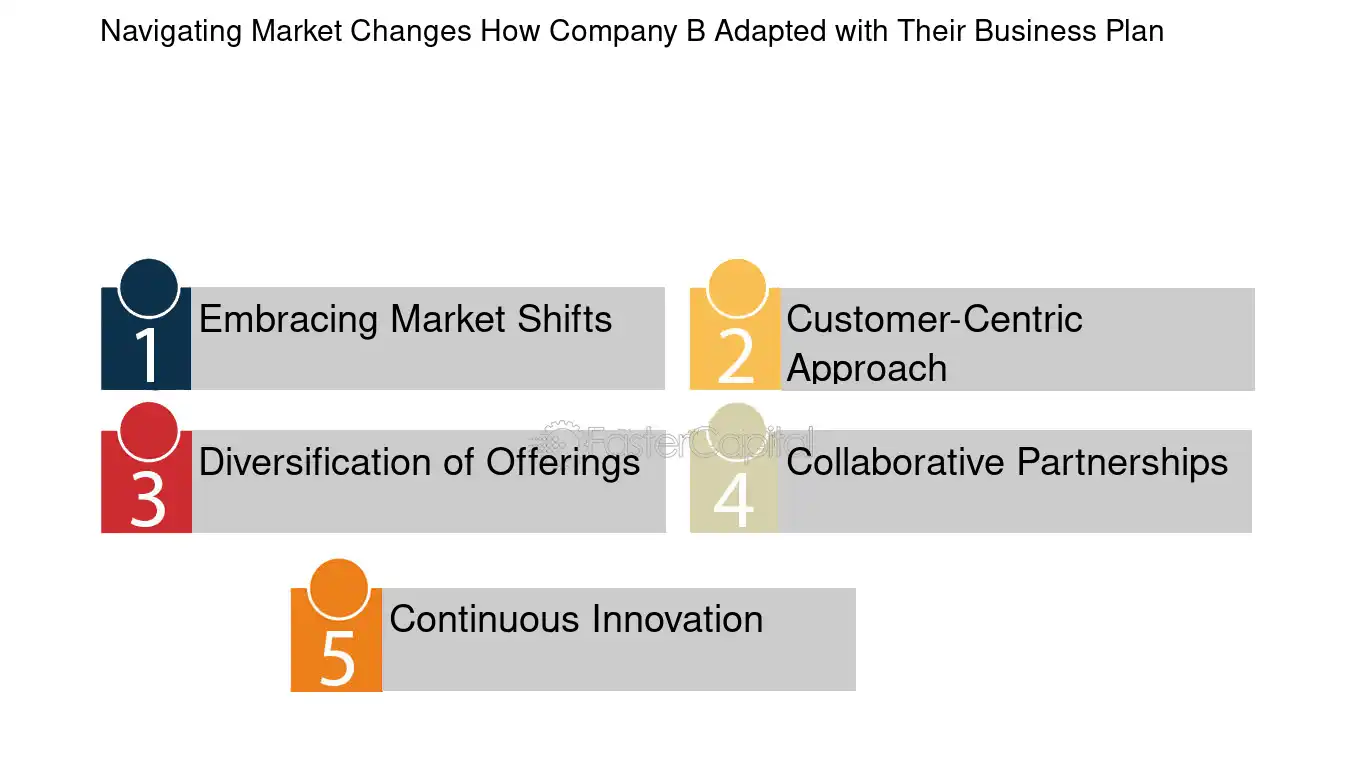
In a rapidly evolving digital landscape, Software as a Service (SaaS) businesses must be agile and responsive to changing market conditions. As successful SaaS companies demonstrate, adapting to new dynamics can mean the difference between thriving and merely surviving. This article serves as a comprehensive case study, detailing various strategies for modifying your SaaS business plan in response to shifting market demands. Whether you’re a startup or an established enterprise, understanding these principles will equip you to navigate challenges and seize opportunities effectively.
Understanding the Market Landscape
Before diving into strategies for adaptation, it’s essential to consider the broader marketplace. The SaaS sector is inherently volatile, influenced by factors such as technological advancements, customer preferences, regulatory changes, and even global economic conditions. For instance, the COVID-19 pandemic forced numerous companies to pivot towards remote working, substantially increasing demand for collaboration tools.
Key Market Trends to Monitor
-
Customer Needs and Expectations: Regularly assess customer feedback and market research to understand pain points and preferences. The shift towards personalization and customer-centric features is becoming the norm.
-
Technological Advances: Automation, artificial intelligence, and machine learning are shaping the future of SaaS. Keeping abreast of these technologies can help you offer cutting-edge solutions that attract a wider customer base.
-
Competitive Landscape: Regularly analyze your competitors’ offerings. Are they introducing new features or value propositions? Adjusting your strategy accordingly will help you maintain your competitive edge.
-
Regulatory Changes: Regulations such as GDPR have significant implications for data management and customer trust. Being proactive in compliance can embed trust in your brand.
The Importance of Flexibility in Your SaaS Business Plan
A rigid business plan may serve well in stable conditions, but as market dynamics shift, flexibility becomes paramount. Here’s how you can instill flexibility into your strategy:
Conducting Regular SWOT Analyses
Utilizing a SWOT analysis (Strengths, Weaknesses, Opportunities, Threats) can provide valuable insights. Regularly revisiting your SWOT can help you identify new opportunities and threats, allowing you to pivot your strategy effectively.
Diversifying Revenue Streams
Relying solely on one revenue stream can jeopardize your business during market fluctuations. Consider diversifying by:
-
Exploring New Market Segments: Consider targeting industries or demographics that you haven’t previously served. For example, an HR software company might branch out into recruitment tools for small businesses.
-
Developing Additional Products: If your primary product is well-established, explore add-ons or complementary services. This could mean offering consulting, training, or integration services.
Real-World Case Study: Zoom Video Communications
To illustrate the adaptability of SaaS business plans, let’s delve into the success story of Zoom Video Communications. This leading video conferencing platform experienced tremendous growth, especially during the pandemic, when remote work became the norm.
Initial Business Model
Zoom started with a clear intent: to provide a user-friendly, reliable, and accessible video conferencing solution. Its initial business model focused on sales to enterprises and educational institutions, with a freemium offering that attracted new users.
Adapting to Market Change
As remote work became commonplace, Zoom faced surging demand — but it also encountered significant competition and scrutiny regarding security and user experience. Here’s how they adapted:
-
Enhanced Features: Zoom quickly rolled out new features like virtual backgrounds, breakout rooms, and enhanced security measures, such as end-to-end encryption. This not only met user demands but also positioned Zoom as a leader in video security.
-
Scaling Infrastructure: To accommodate increased usage, Zoom invested in scaling its infrastructure. This meant expanding data centers globally, enhancing server capacity, and ensuring that performance remained top-notch, even under stress.
-
Rapid User Adoption: Zoom capitalized on the momentum by creating strategic partnerships and integrating with other software platforms like Slack and Salesforce. This ease of integration made it a go-to solution for many businesses and vendors.
-
Community Engagement: Recognizing the importance of support, Zoom increased its engagement with users through webinars and customer support enhancements. They actively sought feedback and implemented changes based on user requests.
-
Marketing and Branding: Zoom revamped its marketing strategies, including a focus on user testimonials and case studies. This approach helped to build trust and credibility in their rapid growth.
The result? By the end of 2020, Zoom reported 433% year-over-year growth in revenue—proof that adaptability drives success.

- Overcome negative thought patterns, reduce stress, and live a worry-free life
- Overthinking is the biggest cause of unhappiness
- Don't get stuck in a never-ending thought loop
- Stay present and keep your mind off things that don't matter, and never will
- Break free of your self-imposed mental prison
Strategies for Adapting Your SaaS Business Plan
So, how can you implement lessons from Zoom and other successful SaaS businesses into your own strategy? Here are several actionable steps:
1. Embrace a Customer-Centric Approach
Engaging with your customers and prioritizing their needs is crucial. Don’t wait for complaints; proactively collect feedback through surveys, interviews, and usability tests. This continuous loop of understanding will guide your product development and marketing efforts.
2. Monitor Key Performance Indicators (KPIs)
Key performance metrics can shed light on your SaaS health. Regularly evaluate metrics such as Customer Acquisition Cost (CAC), Churn Rate, Customer Lifetime Value (CLV), and Monthly Recurring Revenue (MRR). These insights will help you understand the effectiveness of your business strategy and pinpoint areas for improvement.
3. Incorporate Agile Methodologies
Employing agile methodologies fosters adaptability within your SaaS business. This involves frequent iterations, rapid prototyping, and continuous testing. Such a model allows your team to release updates quickly in response to customer feedback or market shifts.
4. Cultivate a Robust Company Culture
Your team is your greatest asset. Cultivating a culture of innovation and responsiveness can empower your employees to contribute ideas for adaptation. Workshops, brainstorming sessions, and regular check-ins can foster an environment conducive to change.
5. Build Strategic Partnerships
Establishing partnerships with other businesses in your industry can amplify your reach and resources. For instance, collaborating with complementary service providers can create bundled offerings that attract new users.
6. Invest in Technology
Proactively investing in technology aimed at scalability will put you ahead of your competitors. This includes cloud services, cybersecurity, automation tools, and any software that enhances user experience. Sophisticated technology can streamline operations and improve product offerings.
7. Stay Relevant through Continuous Learning
The SaaS landscape is ever-changing. Keep your skills, knowledge, and team updated through courses, webinars, and industry conferences. Staying informed about new tools and practices will enable you to pivot your business as necessary.
Conclusion: The Benefits of Adaptability
In conclusion, adapting your SaaS business plan to changing market conditions is not merely advisable; it’s essential for survival. By analyzing the market landscape, embracing flexibility, and implementing dynamic strategies, your business can navigate challenges effectively and position itself for success.
The case of Zoom Video Communications provides a compelling illustration of how responsiveness can lead to substantial growth. With a customer-centric approach and continuous innovation, you can ensure your SaaS business not only survives but thrives in whatever market conditions lie ahead.
Implementing these strategies may not always be easy, but the rewards are immeasurable. Adaptability is your greatest asset in an unpredictable landscape, and the time to optimize your business plan is now. So, use this case study as a blueprint and start evolving your SaaS business for future success.


