
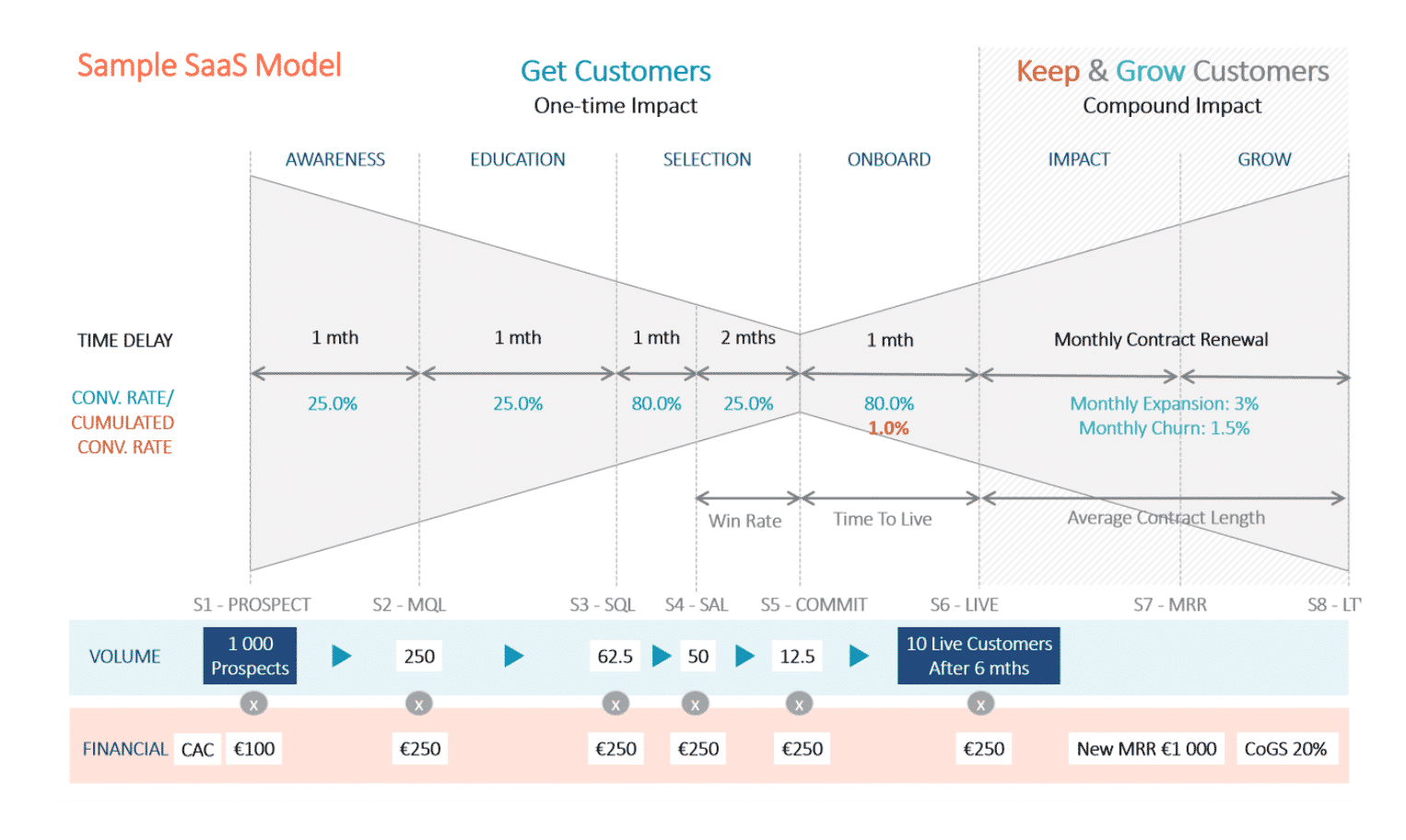
In the vibrant and ever-evolving world of Software as a Service (SaaS), startups often find themselves at a crossroads, struggling to carve out a niche in a crowded market. Success is not merely about having a great product; it requires strategic insight, adaptability, and most importantly, a solid business plan. In this in-depth case study, we delve into the transformative journey of a SaaS startup that successfully doubled its revenue by overhauling its business plan.
Understanding the Landscape: The Initial Challenge
Every great success story starts with a challenge. For our featured startup, let’s call it “CloudSync,” the initial months were marked by a significant struggle. The company launched with an innovative product aimed at streamlining client collaboration tools, but despite rigorous marketing efforts, user acquisition was slow.
Identifying Pain Points
CloudSync’s founders, Sarah and Tom, conducted extensive market research and customer interviews to understand the barriers to growth. They identified several pain points:
- Target Audience Misalignment: The initial plan targeted a broad audience, diluting their marketing efforts and resulting in low conversion rates.
- Feature Overload: The product was packed with features that overwhelmed potential users and obscured the product’s core benefits.
- Customer Support Gaps: Users reported frustration with inadequate onboarding and customer support, leading to high churn rates.
These findings painted a clear picture: if they wanted to see growth, they had to pivot and address these issues head-on.
Revising the Business Plan: A Collaborative Approach
With insights in hand, Sarah and Tom rallied their team for a re-evaluation of the business plan. This process was not merely about adjusting numbers but was a collaborative effort that included input from marketing, sales, and customer service departments.
Narrowing the Target Market
One of the first strategic changes was to narrow down the target audience. Instead of going after every business that could use their product, CloudSync decided to focus on small to mid-sized businesses (SMBs) in the tech sector, specifically those with remote teams. This decision allowed the marketing team to create tailored campaigns that resonated with the specific needs of that segment.
Streamlining the Product
Next, they refined their product offering. The team conducted a “must-have” versus “nice-to-have” exercise on their existing features:
- Must-Haves: Instant messaging, file sharing, and task management.
- Nice-to-Haves: Unused integrations, complex analytics tools, etc.
By stripping down the unnecessary features and honing in on the must-haves, CloudSync crafted a more user-friendly product. They also introduced a guided onboarding process that not only helped new users but also improved customer satisfaction.
Enhancing Customer Support
Recognizing that excellent customer service was vital for retention, CloudSync revamped its customer support strategy. They implemented a multi-channel support system, including live chat, helpdesk software, and an extensive knowledge base. Training sessions for customer support representatives ensured they were well-equipped to assist users effectively.
Implementing the New Plan: Marketing and Outreach
With a revamped business plan in place, CloudSync launched into a focused marketing campaign aimed at their newly defined target audience. Here’s how they went about it:
Content Marketing Strategies
CloudSync began to leverage content marketing to establish authority in the niche. They launched a blog dedicated to remote team collaboration tips, along with case studies and testimonials from early adopters. This not only positioned them as industry thought leaders but also improved their SEO ranking, driving organic traffic to their website.
Targeted Social Media Advertising
The team ventured into targeted social media advertising on platforms where their audience was most active, particularly LinkedIn. Using A/B testing on ad copies and visuals helped optimize their ad spend and increased click-through rates significantly, leading to more sign-ups.

- Overcome negative thought patterns, reduce stress, and live a worry-free life
- Overthinking is the biggest cause of unhappiness
- Don't get stuck in a never-ending thought loop
- Stay present and keep your mind off things that don't matter, and never will
- Break free of your self-imposed mental prison
Building Strategic Partnerships
Understanding the power of networking, CloudSync sought to establish partnerships with complementary SaaS products that catered to similar audiences. This collaborative approach allowed both parties to cross-promote and leverage each other’s customer bases, fueling mutual growth.
Measuring Success: Tracking Key Performance Indicators (KPIs)
Through the implementation of the revised business plan, CloudSync was determined to track their progress using key performance indicators (KPIs). They defined success metrics that included:
- Monthly Recurring Revenue (MRR): A crucial metric for SaaS companies.
- Customer Acquisition Cost (CAC): Understanding how much they spent to acquire each customer.
- Churn Rate: Monitoring the percentage of customers who cancel their subscriptions.
- User Engagement Metrics: Tracking how often users interacted with the product.
Regular analysis of these KPIs allowed CloudSync to make data-informed decisions and adjust tactics when necessary.
The Results: Doubling Revenue
Fast forward six months post-revised plan, and CloudSync found itself on a trajectory it had never anticipated. By closely monitoring their initiatives and adjusting based on feedback and results, they achieved remarkable outcomes:
Significant Revenue Growth
CloudSync doubled its monthly recurring revenue (MRR) from $20,000 to $40,000. The revamped targeting and marketing strategies resulted in a 150% increase in new sign-ups.
Improvement in Customer Retention
The revised customer support strategy reduced churn rates by 30%. With users feeling supported and valued, customer lifetime value (CLV) increased, adding more robustness to their financial model.
Enhanced Brand Recognition
Their content marketing efforts significantly improved brand recognition within the remote work community. By the end of the year, CloudSync became a recognized name in the small to mid-sized business sector, thanks to word-of-mouth referrals and social proof.
Lessons Learned: Key Takeaways
The journey of CloudSync offers invaluable lessons for any startup navigating the tumultuous waters of the SaaS industry:
- Listen to Your Customers: Engaging with customers and understanding their needs can unearth insights necessary for product enhancement and marketing strategy.
- Niche Down for Success: Targeting a specific market segment can lead to more effective marketing strategies and better customer connections.
- Invest in Customer Support: Happy customers are loyal customers. Investing in customer support is essential for retaining users and reducing churn.
- Regularly Analyze KPIs: Iterating and adjusting based on data is key to sustainable growth.
Conclusion: A Spirited Journey Ahead
CloudSync’s story illustrates that with the right strategy and willingness to adapt, any startup can overcome challenges and double its revenue. By refining their focus, simplifying their product, enhancing customer service, and implementing a focused marketing strategy, they not only survived but thrived. Their case serves as a beacon of inspiration for other SaaS startups, highlighting the importance of being agile and customer-centric in a continuously evolving marketplace.
As CloudSync embarks on the next chapter of its journey, they remain vigilant, always ready to adapt to the changing landscape while keeping their customers at the forefront of their evolution. In the world of SaaS, the only constant is change, and those willing to embrace it will reap the rewards.


