
In the ever-evolving landscape of technology and innovation, startups are a vital part of our economy. Many young companies strive to launch revolutionary Software as a Service (SaaS) products, tapping into a plethora of niches. However, one of the most significant challenges they face is securing funding to turn their ideas into reality. In this article, we’ll explore a successful case study of how one startup managed to secure funding through an effective SaaS plan, shedding light on the strategies that contributed to their success.
Overview: The Startup Landscape
Starting a business can be daunting. According to the U.S. Small Business Administration, about 20% of new businesses fail within the first year, and roughly 50% fail within five years. These sobering statistics show that while innovation and entrepreneurial spirit are in abundance, successful execution is essential. For tech startups, particularly those focused on SaaS, the competition is intense. Comprehensive planning and a compelling value proposition can make or break a company’s chances of receiving investment.
The Dream Beyond Seed Funding
Startups often begin with a concept and the vision to revolutionize an industry. However, turning that vision into a viable business usually requires funding. This aspect of launching a startup can be incredibly stressful, especially given the high stakes involved. One common misconception is that securing funding begins when an entrepreneur walks into a meeting with a polished pitch deck. In reality, successful funding efforts often start long before that first meeting.
Meet Our Case Study: TechWave
For the purpose of this case study, we’ll profile a fictional yet realistic startup named TechWave, which was founded by a group of young tech entrepreneurs. TechWave developed a SaaS product aimed at helping small businesses streamline their operations through project management, time tracking, and team collaboration tools. Their plan was sound, but how they approached securing funding is what sets TechWave apart.
Crafting a Compelling SaaS Plan
1. Identifying the Target Market
The first step TechWave took was identifying their target market. Small businesses often face unique challenges due to limited resources and budget constraints. TechWave conducted in-depth market research, including surveys and interviews with potential customers to better understand their needs. This research not only shaped their product development but also helped to tailor their sales pitch to the interests of investors who focus on small-business solutions.
2. Building an MVP
TechWave knew that investors often feel more confident when they see a working product, even if it’s not fully refined. The team decided to develop a Minimum Viable Product (MVP) to showcase their concept. This prototype included basic functionalities that addressed core pain points highlighted during market research. Investors were often more interested in a product that had been at least partly developed than in just an idea.
3. Crafting the Business Model
A solid SaaS business model is crucial for attracting investors. TechWave’s team understood that recurring revenue is a strong selling point for investors. They decided on a subscription-based model that included tiered pricing, allowing them to cater to various small business budgets. This not only reassured investors about the feasibility of TechWave’s business plan but also provided clarity on how the startup would generate consistent revenue.
4. Preparing the Pitch Deck
After solidifying the business model and developing the MVP, the next step was to create a pitch deck. TechWave’s pitch deck was tailored to showcase the core values of their SaaS offering. They highlighted:
- Market Opportunity: Demonstrating a clear understanding of trends and statistics within the small business sector.
- Unique Value Proposition: Explaining how their tool stood out from competitors.
- Product Demonstration: Showcasing their MVP through a live demonstration during investor meetings.
- Financial Projections: Offering realistic revenue projections and break-even analysis.
- Future Growth Potential: Discussing potential for scaling the business and feature expansion, as well as any planned partnerships.
The emphasis on clarity and data throughout the pitch deck was integral. Investors are often flooded with pitches and need to see concise information presented compellingly.

- Overcome negative thought patterns, reduce stress, and live a worry-free life
- Overthinking is the biggest cause of unhappiness
- Don't get stuck in a never-ending thought loop
- Stay present and keep your mind off things that don't matter, and never will
- Break free of your self-imposed mental prison
The Funding Journey
5. Networking and Building Relationships
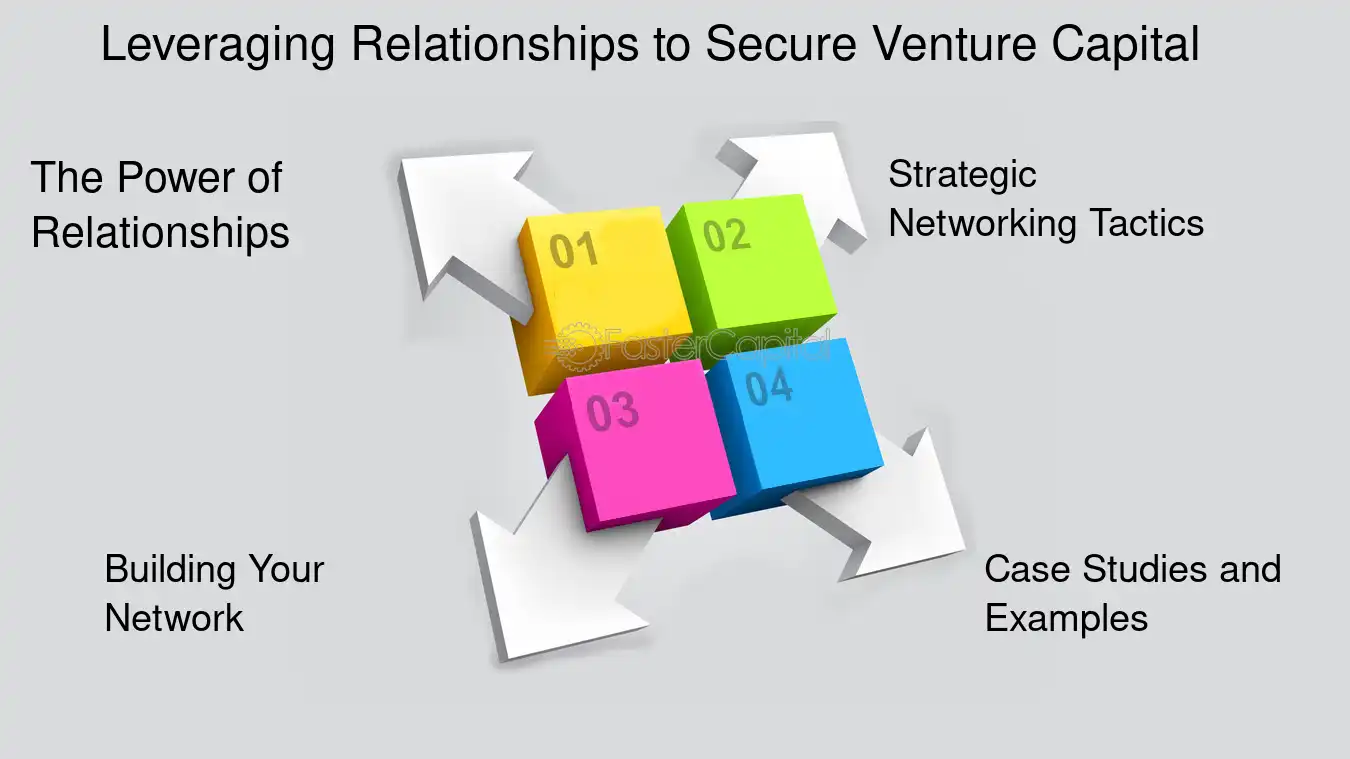
While crafting a strong SaaS plan is essential, building relationships within the venture capital and funding community is equally important. TechWave’s founders dedicated time to networking in tech meetups, startup pitches, and business incubators. They exchanged ideas with other entrepreneurs, which not only helped them refine their pitch but also increased exposure to potential investors.
They reached out to mentors and former entrepreneurs who had successfully raised funds, seeking advice on best practices and strategies. Relationships built over time proved invaluable as they secured meetings with key investors in the initial funding stages.
6. Choosing the Right Investors
TechWave made a strategic decision to focus on investors who had a track record of investing in SaaS startups and small business solutions. Recognizing that not all investors are created equal, TechWave researched their potential investors’ portfolios and styles. By approaching the right people, they were able to engage audiences that shared not only an interest in but a genuine passion for their startup.
The Pitch
The day of the pitch arrived, and TechWave was ready. They understood that delivering a compelling narrative was crucial, so they rehearsed extensively. When they finally presented their SaaS plan, they were able to effectively communicate their journey, the importance of their product, and how they planned to achieve their projected growth.
Handling Questions
An essential part of the pitch process is the Q&A session, where investors ask pointed questions to probe deeper into the startup’s strategy, market understanding, and team capability. TechWave anticipated potential inquiries by conducting mock sessions with mentors, allowing them to refine their responses. The founders approached this segment with confidence, ensuring they provided comprehensive answers while remaining open to feedback.
Closing the Deal
Following their initial pitches, TechWave received interest from several investors. The founders adeptly navigated discussions, remaining transparent about their vision, the challenges they faced, and how they planned to address those challenges. Within three months of pitching, TechWave was able to secure seed funding that exceeded their initial expectations.
Key Takeaways: What We Can Learn
From TechWave’s experience, there are key takeaways for new startups looking to secure funding through an effective SaaS plan:
-
Conduct Thorough Market Research: Understand your audience and tailor your product to meet their needs before building your business model.
-
Develop an MVP: Showcase a working product, as it significantly boosts investor confidence.
-
Build Relationships: Invest in networking to form connections that may lead to funding opportunities.
-
Target the Right Investors: Approach individuals who share an interest in your niche and understand the SaaS market.
-
Prepare for the Pitch: Create a compelling pitch deck, rehearse meticulously, and prepare for common questions.
-
Be Responsive to Feedback: Engage investors in discussions and be open to advice, as their industry experience could enhance your strategy.
Conclusion
Securing funding as a startup is undoubtedly challenging, especially in the highly competitive SaaS arena. However, with a well-structured business plan, thorough preparation, and resilience, success is within reach. TechWave’s journey exemplifies that a strategic and passionate approach, combined with practical steps, can lead to fruitful investment opportunities.
By leveraging these insights, aspiring entrepreneurs can navigate their pathways through the funding landscape more effectively, increasing their likelihood of success. In the unpredictable world of startups, every strategic move plays a crucial role in ensuring potential investors see the value in your vision. As technology continues to reshape our everyday lives, stories of success, like that of TechWave, will inspire new businesses to take risks, innovate, and transform their dreams into tangible realities.


