
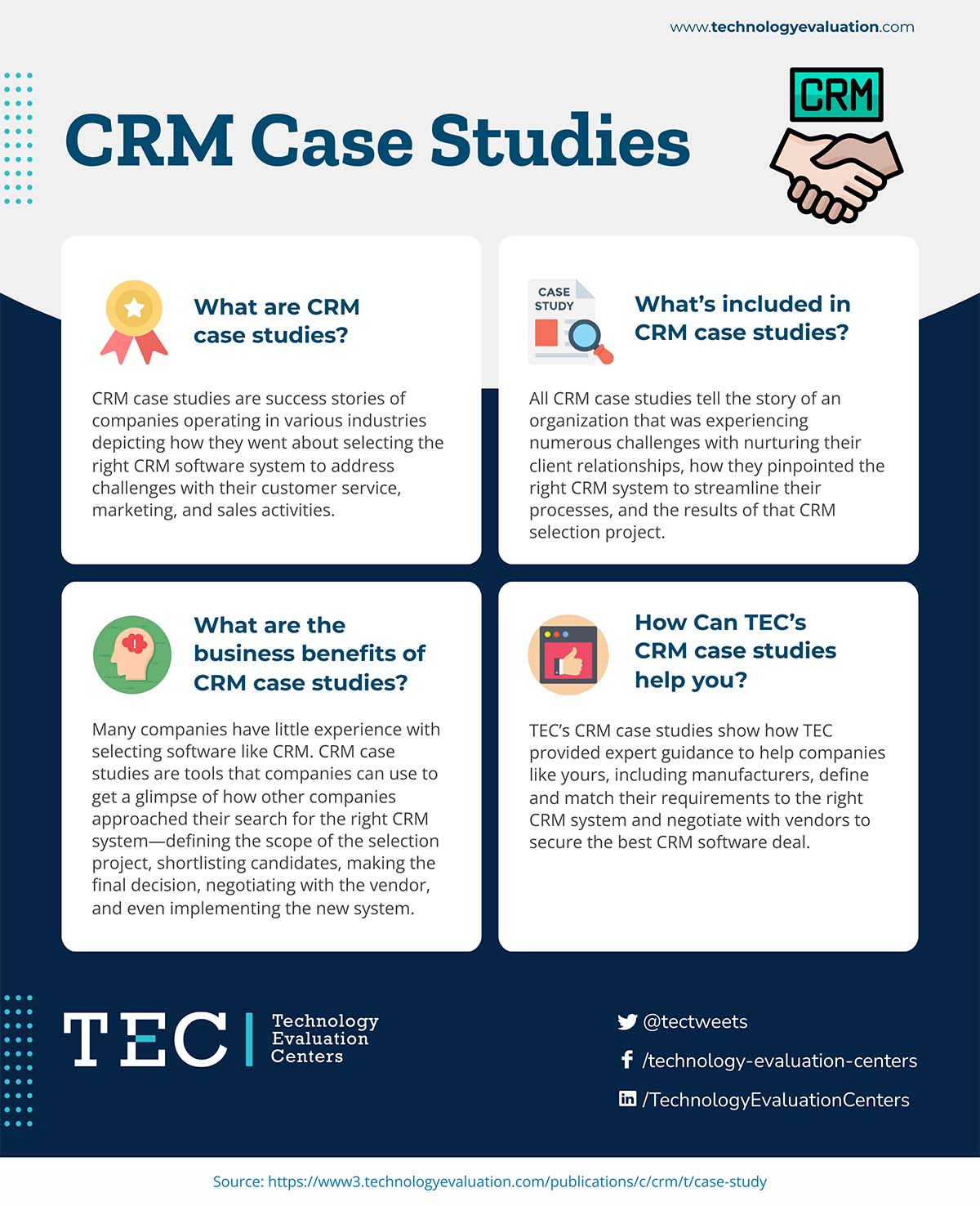
In today’s digitally-driven marketplace, many businesses are looking to optimize their customer interactions and enhance their operational efficiency. This has led to a significant rise in the adoption of Customer Relationship Management (CRM) tools, particularly those based on the Software as a Service (SaaS) model. In this case study, we’ll explore the various SaaS business plans for CRM tools, examining their features, benefits, and potential for growth. Along the way, we’ll provide insights on how these tools can transform customer relationships and improve overall business performance.
Understanding CRM and SaaS
Before delving into the specifics of business plans for CRM tools, let us first clarify what CRM and SaaS mean.
What is CRM?
CRM, or Customer Relationship Management, refers to strategies, practices, and technologies used by organizations to manage and analyze customer interactions and data throughout the customer lifecycle. The ultimate goal of CRM systems is to improve customer service, enhance customer satisfaction, and drive sales growth. Traditional CRM systems were often software that required heavy investments in IT infrastructure and maintenance. However, the emergence of SaaS has changed this landscape significantly.
What is SaaS?
Software as a Service (SaaS) is a software distribution model that allows users to access applications over the Internet. Instead of purchasing and installing software on individual computers, users can subscribe to a service and access it remotely through a web browser. This model offers flexibility, scalability, and cost-effectiveness, making it an attractive choice for businesses of all sizes.
The Rise of SaaS CRM Tools
The market for SaaS-based CRM tools has exploded in recent years. According to reports, the global CRM market is projected to reach over $80 billion by 2025. This growth is largely attributed to the increasing demand for effective customer engagement solutions, driven by shifting consumer behaviors and rising competition across industries.
Key Features of SaaS CRM Tools
SaaS CRM tools come equipped with a variety of features designed to streamline customer relationship management. Here are some of the key features that make these tools invaluable for businesses:
-
Cloud-Based Accessibility: Being cloud-based means that teams can access the CRM system from anywhere, at any time, using any device with an internet connection. This flexibility is particularly important for remote teams and on-the-go professionals.
-
Automated Workflows: Automation features help eliminate repetitive tasks, enabling businesses to focus on high-priority responsibilities. For instance, automation can be used for lead scoring, email marketing, and scheduling follow-up calls.
-
Data Analytics: Powerful analytics capabilities allow businesses to gather insights into customer behavior, purchase patterns, and marketing effectiveness. With data analytics, companies can make informed decisions to improve marketing strategies and customer targeting.
-
Integration Capabilities: SaaS CRM tools typically integrate with other essential business applications like email marketing platforms, accounting software, and social media channels. This seamless integration leads to a more streamlined workflow and improved data accuracy.
-
User-Friendly Interface: Most SaaS CRM solutions prioritize user experience by offering intuitive dashboards and easy navigation, reducing the learning curve for new users.
Case Study: Successful SaaS CRM Implementations
Company Spotlight: HubSpot
HubSpot is one of the leading names in the SaaS CRM space, with a comprehensive suite that includes marketing, sales, and service tools. What sets HubSpot apart is its free CRM offering, which includes essential features for small businesses.
Business Plan Highlights
-
Freemium Model: HubSpot attracts users with a free version of its CRM, allowing potential customers to test its features. Once businesses see the value in the tool, they are more likely to upgrade to paid plans with advanced features.
-
Tiered Pricing: HubSpot’s pricing structure is tiered, offering different packages based on the size of the organization and the features required. This flexibility allows businesses of any size to find a suitable plan.
-
Inbound Marketing Integration: HubSpot effectively integrates its CRM with its marketing tools, helping businesses to nurture leads more effectively. This holistic approach ensures that marketing and sales teams are aligned.
Company Spotlight: Salesforce
Salesforce is another giant in the CRM space, known for its robust features and scalability. It serves businesses ranging from small startups to Fortune 500 companies.
Business Plan Highlights
-
Customizable Solutions: Salesforce offers highly customizable solutions to meet the unique needs of various industries. This adaptability makes it a go-to choice for companies with specific requirements.
-
Focus on Enterprise Solutions: While Salesforce serves small and medium-sized businesses, its primary focus is on enterprise solutions. This positions them as a leader in the high-end CRM market.
-
Extensive App Marketplace: Salesforce boasts an extensive app marketplace known as AppExchange, where users can find add-ons and integrations to further enhance their CRM experience.

- Overcome negative thought patterns, reduce stress, and live a worry-free life
- Overthinking is the biggest cause of unhappiness
- Don't get stuck in a never-ending thought loop
- Stay present and keep your mind off things that don't matter, and never will
- Break free of your self-imposed mental prison
Company Spotlight: Zoho CRM
Zoho CRM is known for delivering strong value at an affordable price, making it a popular choice among many small and medium-sized businesses.
Business Plan Highlights
-
Budget-Friendly Pricing: With multiple pricing tiers, Zoho CRM offers plans that fit varying budgets. Businesses can choose the level of service they need without breaking the bank.
-
Strong Mobile App: Zoho CRM features a powerful mobile application that enables users to manage customer relationships on-the-go. This mobile connectivity is crucial in today’s fast-paced world.
-
Multi-Channel Communication: Zoho emphasizes omni-channel communication, allowing businesses to interact with customers through email, social media, and chat, all within the CRM platform.
Crafting an Effective SaaS Business Plan for CRM Tools
Based on the success stories from companies like HubSpot, Salesforce, and Zoho, here are essential components to consider when crafting an effective SaaS business plan for CRM tools:
1. Identify the Target Market
Understanding your target audience is critical. Are you focusing on small businesses, large enterprises, or a specific industry? Conduct thorough market research to identify pain points within the market, allowing you to tailor your CRM features accordingly.
2. Competitive Analysis
Conduct a competitive analysis to determine who your primary competitors are and what differentiates your CRM from theirs. Identify gaps in the market and use them to your advantage.
3. Value Proposition
Develop a compelling value proposition that outlines how your CRM can solve specific problems. Highlight unique features, ease of use, and any integrations that would benefit potential customers.
4. Pricing Strategy
Determine a pricing strategy that reflects the value of your CRM systembut is also competitive within the market. Consider offering a freemium version or free trial to attract early adopters.
5. Marketing Strategy
Draft a marketing strategy that encompasses inbound marketing, content creation, social media engagement, and digital advertising. Share case studies, customer testimonials, and insights into how your tool can enhance customer relationships.
6. Customer Support and Training
Invest in quality customer support and training resources. Offering adequate onboarding and continuous support can increase customer satisfaction and loyalty, leading to lower churn rates.
7. Metrics and KPIs
Define the key performance indicators (KPIs) that you will use to measure success. Common metrics include customer acquisition cost (CAC), customer lifetime value (CLV), and churn rate. Regularly analyze these metrics to assess your business’s health and make necessary adjustments.
The Future of SaaS CRM Tools
As technology continues to evolve, the future of SaaS CRM tools looks promising. Here are some emerging trends to keep an eye on:
Artificial Intelligence and Machine Learning
These technologies are revolutionizing CRM by enabling predictive analytics, personalized customer experiences, and enhanced automation. CRM systems powered by AI can help businesses anticipate customer needs and improve decision-making.
Mobile CRM Solutions
Mobile capabilities are becoming increasingly essential as remote work continues to grow. Companies that prioritize mobile-friendly solutions will have a significant advantage in the marketplace.
Increased Focus on Data Privacy
As data protection regulations become stricter, CRM providers must emphasize data security and privacy. Customers are becoming more aware of their data rights, and businesses need to build trust by adhering to best practices in data handling.
Integration with Other Business Tools
The future of CRM lies in its ability to integrate seamlessly with a multitude of business applications. This interconnectedness will further streamline processes and facilitate comprehensive customer management across an organization.
Conclusion
As the demand for effective customer engagement strategies grows, SaaS CRM tools are becoming essential for businesses aiming to thrive in competitive landscapes. By understanding effective SaaS business plans and learning from successful implementations, new entrants can better navigate the CRM market. With the right strategies, organizations can transform their customer relationships, drive growth, and leverage data-driven insights for better decision-making.
In today’s fast-paced world, the right CRM tool can be the difference between a struggling business and a thriving one. If you’re considering a CRM approach for your business, now is the time to explore the options available within the SaaS model. This case study illustrates not just the potential for success, but the significant impact it can have on customer relationships and, ultimately, the long-term success of a business.


