
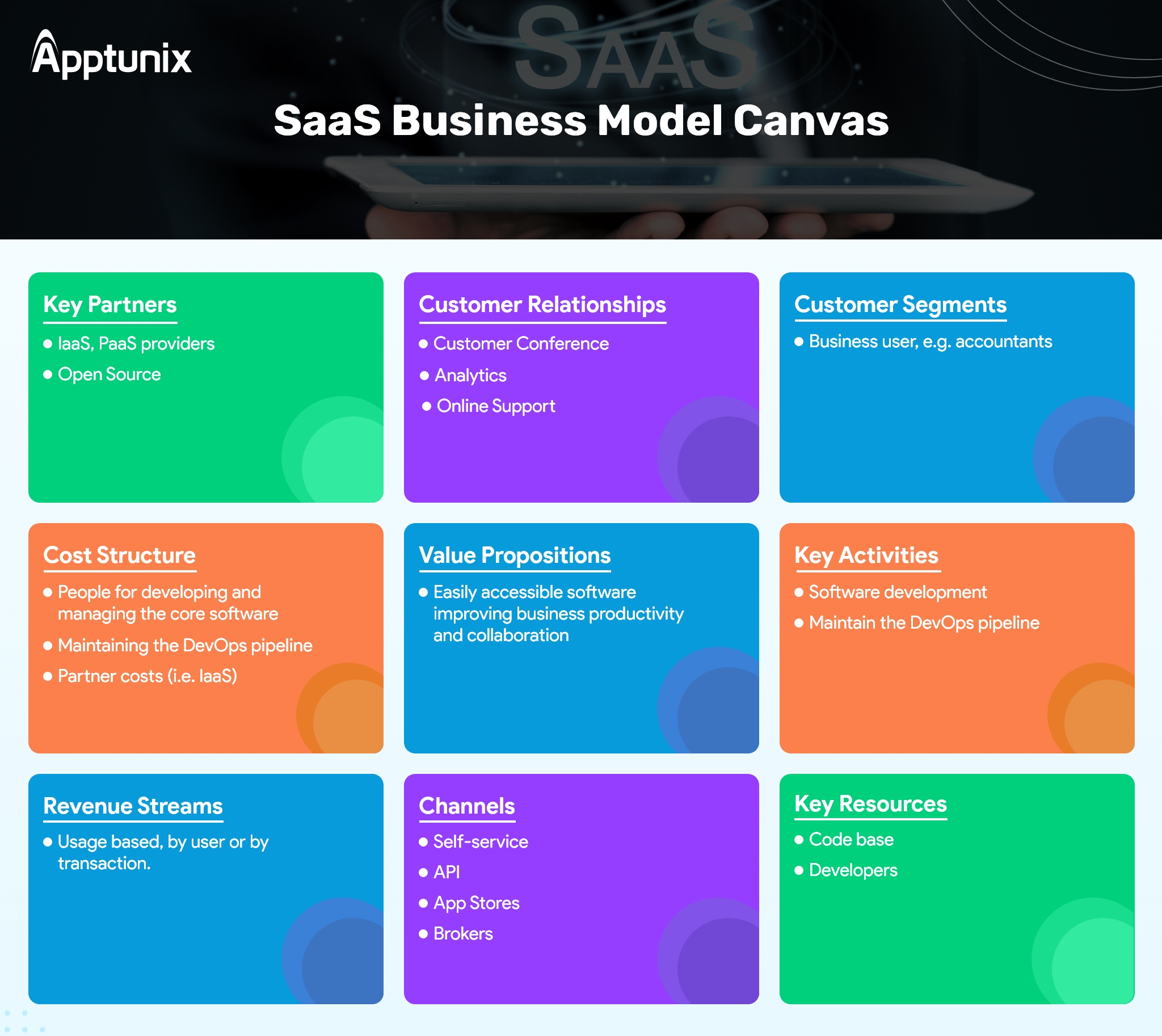
In the rapidly evolving tech landscape, companies often face challenges that require agile responses and innovative solutions. Among these businesses, Software as a Service (SaaS) companies stand out for their unique business models reliant on subscription services. A pivotal moment for many of these companies can be an unexpected shift in strategy—a product pivot. In this article, we’ll explore a case study of a hypothetical SaaS company that successfully navigated a product pivot, reshaping its business plan in the process. By examining this journey, we can glean insights applicable to businesses across various industries.
What Is a SaaS Product Pivot?
Before diving into the case study, it’s vital to understand what we mean by a SaaS product pivot. In essence, a product pivot refers to a fundamental shift in a company’s product strategy. It involves changing the core essence of the product offered or redefining the target audience to better meet customer needs and market demands. This shift can be driven by various factors, including changing user preferences, technological advancements, or competitive pressures.
The Company Background
Let’s introduce our case study subject: TechSolutions, a mid-sized SaaS company launched in 2017. Initially, TechSolutions focused on providing project management software designed for small to medium-sized businesses (SMBs). Their platform offered features such as time tracking, task management, and team collaboration tools. Despite solid initial traction, the company faced challenges as competition intensified and customer needs evolved.
Identifying the Problem
By 2020, TechSolutions realized that their SMB-focused project management tool was losing momentum. Users expressed dissatisfaction with the platform, citing that although it was user-friendly, it lacked the advanced capabilities that larger enterprises demanded. Additionally, the market was becoming saturated with similar offerings, making it increasingly difficult for TechSolutions to differentiate itself.
The company faced a critical question: Could they continue enhancing their existing product to meet the demands of a broader audience, or should they explore a completely new direction? After a thorough market analysis and customer feedback sessions, TechSolutions decided to pivot.
The Pivot Decision: Evolving From Project Management to Workflow Automation
TechSolutions opted to pivot from a singular focus on project management to a broader workflow automation platform capable of serving both SMBs and larger enterprises. This strategic pivot aimed to enhance user productivity by streamlining tasks and automating repetitive processes, catering to the increasing demand for efficiency tools in a post-pandemic world.
Understanding the New Market Landscape
Before implementing the pivot, TechSolutions spent several months conducting market research. They discovered a burgeoning interest in workflow automation technologies, especially in industries such as finance, healthcare, and logistics. They found that organizations were looking for tools that would not only help in project management but also facilitate smoother workflows, enhance collaboration between teams, and integrate easily with existing software.
Engaging Key Stakeholders
For a pivot to be successful, it’s essential to engage key stakeholders throughout the company, particularly the product development team, sales department, and customer support. TechSolutions organized workshops and brainstorming sessions to encourage input from all levels of the organization. They also reached out to select customers for insights on what features they would find most valuable in a revamped product.
Based on these discussions, the team outlined a roadmap to guide the pivot. This approach ensured that the new product would not only meet market needs but would also have buy-in from internal teams across the company.
Product Development: Building the New Solution
With a clear vision in place, TechSolutions began developing their new product: AutoFlow. The development team worked tirelessly to build a feature-rich platform that automated tasks like data entry, reporting, and inter-departmental communications. Here are some of the standout features of AutoFlow:
-
Smart Notifications: Automated reminders and alerts help teams stay on task and informed about project deadlines.
-
Integrated Analytics: Users can track performance metrics through intuitive dashboards that offer insights into productivity and workflow efficiency.
-
Seamless Third-Party Integrations: AutoFlow integrates with popular tools like Slack, Zapier, and CRM systems, facilitating smooth transitions between different applications.
-
Customizable Templates: Users can create or modify templates to suit their specific needs, streamlining workflows even further.
-
Collaboration Tools: Features like document sharing and real-time editing enhance team collaboration regardless of location.

- Overcome negative thought patterns, reduce stress, and live a worry-free life
- Overthinking is the biggest cause of unhappiness
- Don't get stuck in a never-ending thought loop
- Stay present and keep your mind off things that don't matter, and never will
- Break free of your self-imposed mental prison
Rebranding and Launch
With the product developed, TechSolutions undertook a significant rebranding effort. The objective was to communicate their new direction clearly. This included a revamped website, updated marketing materials, and a strong social media presence. They organized a launch event featuring demonstrations of AutoFlow to showcase its capabilities and how it addressed the pain points of the competitive landscape.
To help generate buzz, TechSolutions reached out to industry influencers, tech bloggers, and analysts, offering exclusive previews of AutoFlow in action. This strategic outreach paid off as influencers began calling it “the next big thing in workflow automation.”
Measuring Success: Key Performance Indicators (KPIs)
In the months following the launch of AutoFlow, TechSolutions implemented various key performance indicators (KPIs) to assess the success of their pivot. These metrics included:
-
Customer Acquisition Cost (CAC): Tracking the cost of acquiring each new customer allowed the company to measure marketing efficiency.
-
Monthly Recurring Revenue (MRR): This metric provided insights into the business’s financial health and growth trajectory.
-
Churn Rate: Monitoring the percentage of customers who canceled their subscriptions helped establish retention rates.
-
User Engagement Metrics: These included feature usage rates and feedback from users, which informed further product improvements.
The Results
One year after the pivot, TechSolutions reported remarkable growth and user satisfaction rates. Here are some of the key outcomes:
-
Increased Revenue: By embracing a broader market and offering a more robust solution, MRR increased by 150%, and the company began attracting enterprise clients who previously overlooked their project management tool.
-
Enhanced User Satisfaction: Surveys indicated that 85% of users felt more productive using AutoFlow compared to the previous tool. They cited the automation features as particularly beneficial.
-
Lower Churn Rates: Retention rates increased significantly as satisfied customers opted to renew subscriptions annually rather than monthly.
-
Industry Recognition: AutoFlow was recognized as a “Best New SaaS Product” by an influential tech media outlet, further solidifying TechSolutions’ position in the market.
Lessons Learned From the Pivot
TechSolutions’ successful pivot provides valuable lessons for other SaaS companies considering similar strategies:
-
Listen to Your Customers: Engaging users and gathering feedback before making significant changes can guide your decisions and align with market needs.
-
Research the Competitive Landscape: Understanding competitors and emerging trends is key to identifying potential gaps in the market that your product can fill.
-
Invest in Internal Buy-in: Ensuring that all departments are aligned and committed to the new strategy can facilitate smoother implementation and innovation.
-
Measure and Adapt: Regularly tracking KPIs allows you to understand the impact of your pivot and make necessary adjustments over time.
-
Market Effectively: A compelling marketing strategy that communicates the value of the new product can make a significant difference during and after a pivot.
Conclusion
The TechSolutions case study illustrates that a well-executed product pivot can redefine a company’s trajectory and ensure longevity in a competitive market. As businesses navigate the uncertainties of the tech landscape, the ability to adapt, innovate, and cater to evolving customer needs will be paramount. By learning from case studies like this, other SaaS companies—and businesses in general—can find inspiration and guidance as they identify their own paths to success.
Whether your company is contemplating a pivot or looking to enhance its current offerings, the insights gleaned here can serve as a roadmap for navigating the complexities of today’s business environment. As TechSolutions has demonstrated, with careful planning, collaboration, and a willingness to listen, the possibilities are endless.


