
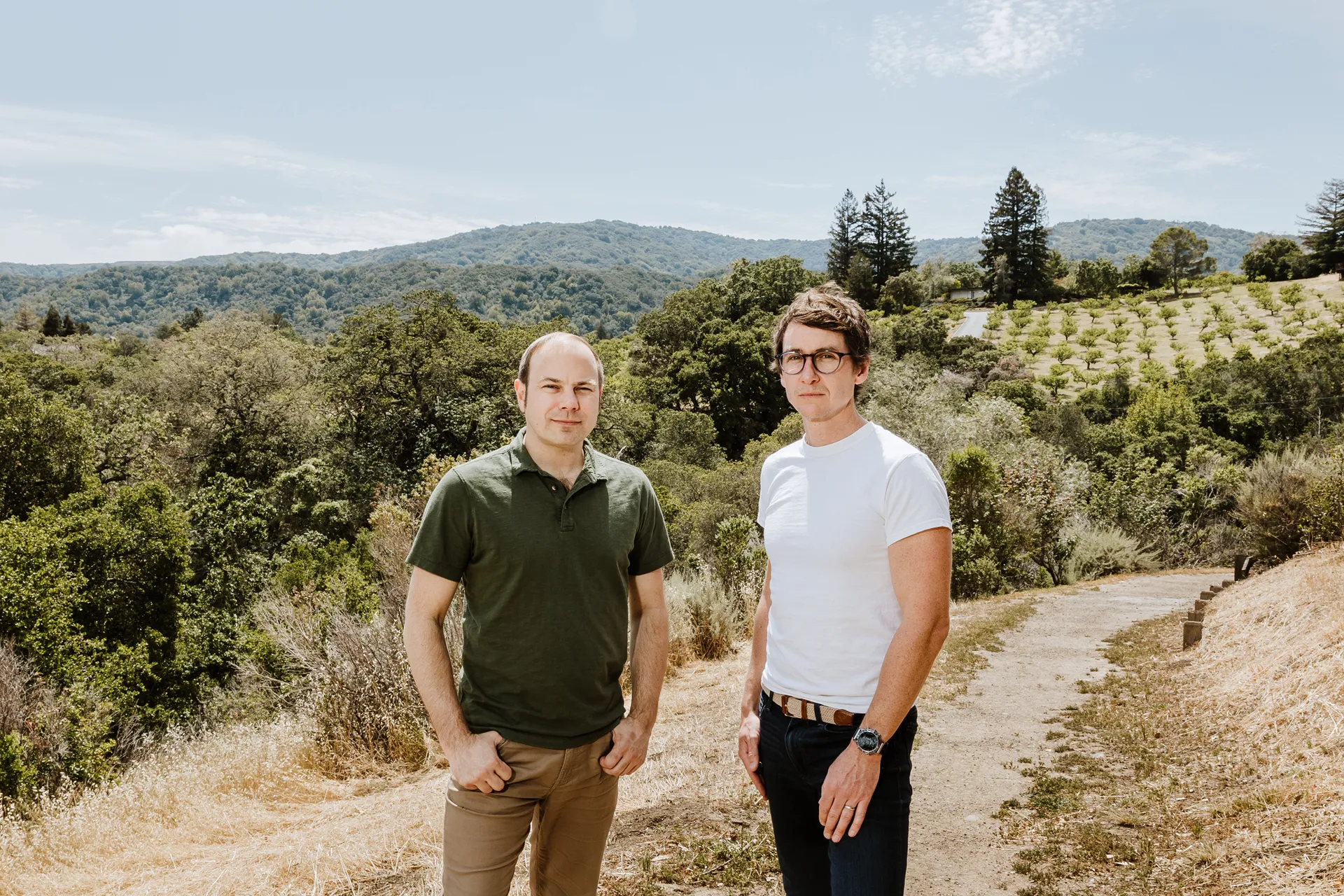
Artificial intelligence is consuming computing power at an unprecedented pace, but the software ecosystem behind the chips that drive it remains fragmented. Chris Lattner, one of Silicon Valley’s most influential engineers, believes he has the solution—and investors just placed a $250 million bet on it.
From Apple to Tesla to Google: A Coder’s Journey
Lattner is no stranger to ambitious projects. He created LLVM, a foundational compiler framework used worldwide, and spearheaded Swift, Apple’s modern programming language. Later, he led major AI infrastructure projects at Google and briefly served as Tesla’s Autopilot chief—where he famously clashed with Elon Musk.
These experiences crystallized a vision: AI will dominate every sector, but developers are trapped in siloed ecosystems controlled by a handful of chipmakers. “Compute demand is exploding,” Lattner says. “But there’s no unified compute platform. Different chips serve different purposes, and developers need a way to use them all seamlessly.”
The Birth of Modular
In 2022, Lattner teamed up with former Google colleague Tim Davis to launch Modular, a startup focused on building a universal software layer for AI hardware. The company’s mission is straightforward but ambitious: allow developers to write code once and run it across multiple types of CPUs and GPUs without vendor lock-in.
To make this possible, Modular built:
- A unifying software stack that extracts maximum performance from heterogeneous chips.
- A new programming language, inspired by Python, that simplifies building and deploying AI applications across diverse hardware.
Aiming Beyond Nvidia and AMD
Today, the AI hardware market is dominated by Nvidia’s CUDA, a proprietary software platform that has kept developers firmly within its ecosystem for two decades. AMD’s ROCm, by contrast, is open source but tied exclusively to AMD hardware. Both approaches have limits.
Lattner argues Modular can be the neutral layer that breaks this duopoly. Already, Nvidia, AMD, and Amazon are collaborating with the startup, while GPU cluster provider SF Compute partnered with Modular to deliver what it calls the “world’s cheapest API” for running large AI models. Just this week, Modular announced support for Apple Silicon GPUs, expanding its hardware reach.
The Funding Wave
That traction helped Modular close a massive $250 million Series C round, valuing the company at $1.6 billion. The raise was led by the US Innovative Technology Fund, with participation from DFJ Growth, General Catalyst, Greylock, and GV (Google Ventures).
“Every chip startup eventually runs into the same problem: software,” explains GV managing partner Dave Munichiello. “Chris made me realize the real bottleneck isn’t hardware—it’s unlocking performance with the right software layer.”
A Dark Art Made Accessible
Writing efficient GPU code is notoriously difficult. Out of hundreds of millions of developers, only a tiny fraction can optimize GPU kernels effectively. Competitors like Mako, a startup building AI-driven GPU coding agents, are tackling the challenge from another angle. But Lattner insists Modular’s holistic approach—covering the entire software stack—is what the industry truly needs.
A Founder-Driven Bet
For investors, backing Modular is also about backing Lattner himself. His track record of reshaping developer tools speaks volumes. Munichiello compares him to Steve Jobs: “He’s opinionated, impatient, but often right. That’s exactly what it takes to shift an industry.”
What’s Next
With fresh funding, Modular is doubling down on its mission: becoming the default software platform for AI hardware. In the long run, that could mean displacing CUDA as the industry standard—a bold ambition, but one that could redefine the relationship between chips and software in the AI age.
For Lattner, the mission goes beyond engineering. “When I left Google, I realized this wasn’t just about money or talent,” he reflects. “It’s a structural problem. And it’s one we can only solve outside the walls of Big Tech.”


