
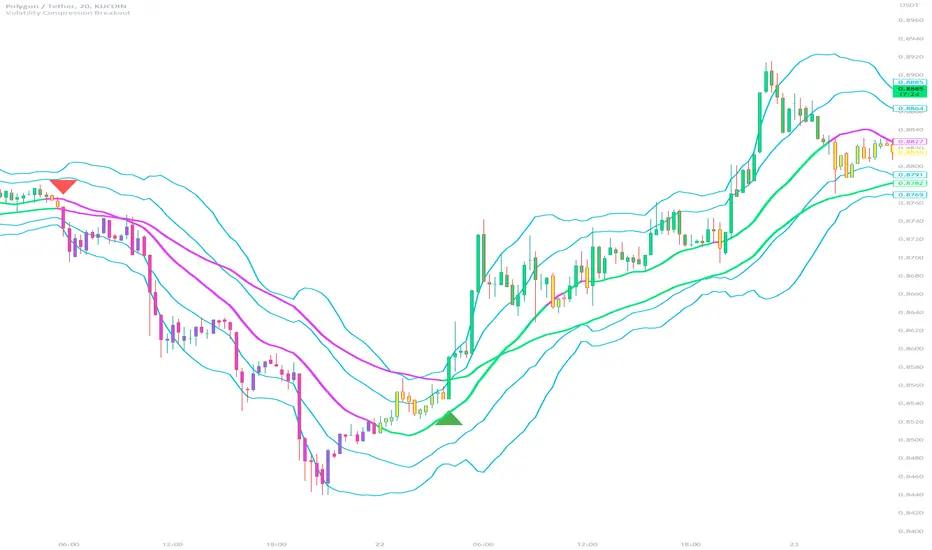
Markets can look calm at exactly the wrong moment. When volatility is compressed and investors feel comfortable, it often means the market is underpricing the possibility of a sudden shock. In 2026, one of the biggest hidden risks is energy, especially any disruption tied to the Strait of Hormuz and the wider Middle East.
For U.S. investors, the key issue is not just geopolitics. It is the chain reaction that follows a geopolitical event. Higher oil prices can quickly feed into inflation, consumer spending, corporate margins, Treasury yields, and eventually Federal Reserve policy. That means a regional conflict can become a portfolio problem faster than most people expect.
Key insights
- Low volatility can hide real fragility.
- The Strait of Hormuz remains a critical global energy chokepoint.
- An oil shock would likely revive inflation pressure.
- The Fed would have less room to support growth.
- Growth stocks and long-duration assets are most exposed.
Why calm markets can be dangerous
Investors often confuse a quiet market with a safe one. When the VIX is subdued and day-to-day price swings are small, it becomes easy to assume the system is stable. But low volatility can also reflect a market that has become too confident in the absence of disruption.
That is especially dangerous in energy. Oil markets are uniquely sensitive to supply shocks, shipping risk, sanctions, and military escalation. Once prices begin moving sharply, the impact rarely stays confined to the energy sector. It spreads into inflation expectations and then into the rest of the asset universe.
The Hormuz problem
The Strait of Hormuz is one of the most important energy routes in the world. A meaningful portion of global oil flows through that narrow passage, which makes it a strategic pressure point whenever tensions rise. Investors may not follow the route closely, but global commodity traders certainly do.
If supply becomes threatened, even temporarily, oil prices can spike quickly. That matters because energy is one of the few inputs that can still change the inflation story fast enough to alter central bank behavior. If inflation reaccelerates, markets that are currently betting on easier policy could be disappointed.
Why this matters for U.S. households
A sudden rise in oil prices would not just affect traders. It would show up in gasoline, shipping costs, utility bills, and broader household spending. That means the average consumer feels the shock directly, even if they never own energy stocks.
Mortgage rates also matter here. If inflation expectations rise again, Treasury yields may remain elevated or move higher, which would keep financing costs sticky. That would hit housing affordability, refinancing activity, and rate-sensitive sectors all at once.
Which assets are most vulnerable
When energy shocks hit, the most vulnerable assets are usually the ones built on lower discount rates and stable inflation. That includes long-duration growth stocks, high-multiple technology names, and longer-term bonds. In those environments, the market often re-prices not because a company’s earnings collapse, but because the discount rate changes.
That is why portfolios concentrated in one style of investing can suffer more than expected. A “growth” portfolio that looks diversified across sectors may still be highly exposed to the same macro driver. When inflation moves, the correlation between seemingly different assets can rise sharply.
What a better response looks like
The best defense is not to make a dramatic macro bet. It is to make sure the portfolio can survive a bad inflation surprise. That may include balancing growth exposure with sectors that benefit from higher commodity prices, maintaining some short-duration fixed income, or simply reducing overconcentration in rate-sensitive assets.
Investors should also remember that volatility compression often ends in a fast move, not a slow one. The risk is not that markets drift a little lower. The risk is that a sudden event forces a repricing across multiple asset classes at once.
Conclusion
Quiet markets can be deceptive when geopolitical risk is elevated. In 2026, the energy channel remains one of the fastest ways for global stress to reach U.S. inflation and financial markets. Investors who prepare for that possibility will be in a far better position than those who assume low volatility means low danger.
Disclaimer
This article is for educational and informational purposes only and does not constitute financial advice. Always consult a qualified financial advisor before making investment decisions. Past performance is not indicative of future results, and all investments carry risk.


