
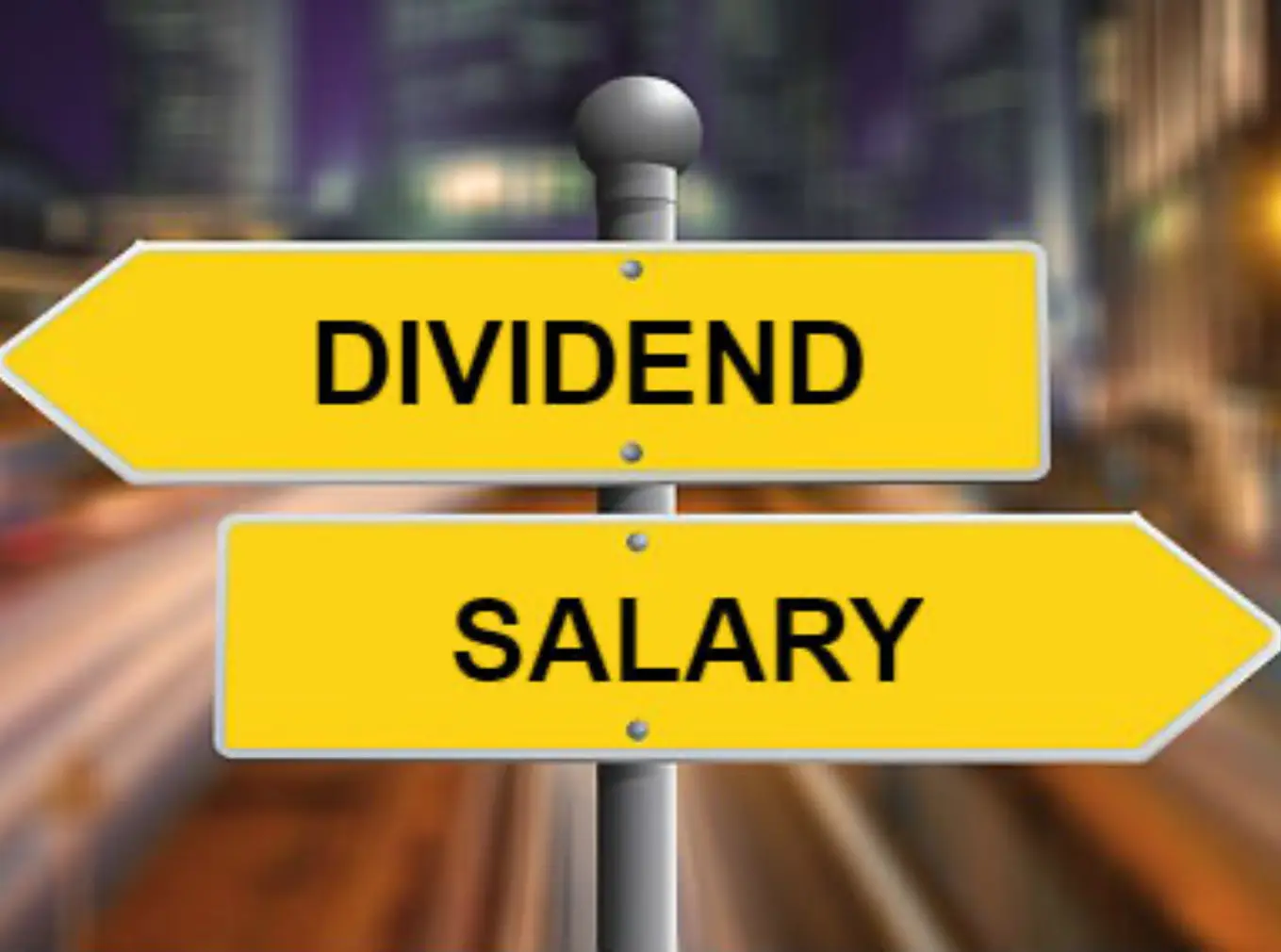
Explore how U.S. investors are choosing dividends over salaries to achieve financial freedom, with strategies, examples, and actionable tips.
In today’s fast-paced economy, more Americans are rethinking the traditional path of earning a paycheck and instead exploring ways to generate passive income through dividends. Financial freedom—the ability to live comfortably without relying solely on a salary—is increasingly attainable if approached strategically. This shift from labor income to investment income represents a fundamental change in how Americans view wealth building, retirement planning, and personal finance.
Key Takeaways
- Financial freedom is achievable by balancing salary income with dividend investments.
- Dividend-paying stocks can provide steady, passive income that grows over time.
- Understanding risk, diversification, and tax implications is critical for success.
- U.S. investors increasingly favor dividend growth strategies over traditional high-paying jobs.
- Combining dividends with other passive income sources accelerates financial independence.
- Long-term planning, consistency, and reinvestment are key to compounding wealth.
The Appeal of Dividends Over Salaries
For decades, the conventional wisdom was simple: work hard, climb the career ladder, and save your salary. Today, many Americans find that relying solely on a paycheck limits their freedom. Dividends, in contrast, represent a share of a company’s profits distributed to shareholders. Unlike salaries, dividends can continue even when you’re not actively working, offering a true form of passive income.
Investing in dividend-paying companies allows individuals to create a self-sustaining income stream. For instance, owning shares in large U.S. companies like Johnson & Johnson, Procter & Gamble, or Coca-Cola can generate quarterly dividend payouts that increase over time, thanks to consistent company growth and dividend reinvestment plans (DRIPs).
How Dividends Accelerate Financial Independence
Dividends work best when reinvested to buy more shares, harnessing the power of compounding. Consider an investor who starts with $50,000 in dividend-paying stocks with an average yield of 4%. By reinvesting dividends annually and assuming moderate growth, this investor could see their income double over a decade without adding more capital.
The concept of financial independence (FI) often revolves around achieving a level of passive income that covers living expenses. Many U.S. financial planners suggest aiming for a portfolio that generates at least 25 times your annual expenses in dividends—a principle derived from the “4% safe withdrawal rate” commonly used in retirement planning.
Salary vs. Dividend Strategy: Pros and Cons
Salaries:
- Pros: Stable, predictable, benefits like health insurance, retirement contributions.
- Cons: Income stops if you leave your job, limited growth beyond promotions, heavily taxed.
Dividends:
- Pros: Passive income, potential for growth, compounding effects, partial tax advantages via qualified dividends.
- Cons: Market risk, requires initial capital, dividends can be cut in downturns.
By combining a steady salary with dividend investments, Americans can mitigate risk while accelerating wealth accumulation. For example, maintaining a 9-to-5 job while investing 20–30% of income into dividend-paying ETFs or stocks provides both security and growth potential.
Practical Strategies for U.S. Investors
- Start Early: The earlier you invest, the more time dividends have to compound. Even small monthly contributions can grow significantly over decades.
- Diversify: Invest across sectors (technology, healthcare, consumer goods, energy) to reduce risk.
- Focus on Dividend Growth: Companies that consistently increase dividends can outpace inflation and provide a growing income stream.
- Use Tax-Advantaged Accounts: Roth IRAs, 401(k)s, and HSAs can shelter dividends from taxes and accelerate portfolio growth.
- Automate Reinvestment: Many brokers offer automatic dividend reinvestment plans, maximizing compounding.
Case Study: Dividend Growth vs. Salary Increases
Consider two scenarios:
- Scenario 1 – Salary-Only Growth: An individual earns $70,000 per year with annual 3% raises. After 20 years, their income rises to about $126,000.
- Scenario 2 – Salary + Dividend Investment: The same person invests $15,000 per year into dividend stocks with a 4% yield and 6% annual growth. After 20 years, their dividend income alone could exceed $40,000 annually, supplementing their salary and potentially allowing early retirement if living expenses are moderate.
This example highlights how dividends can accelerate the path to financial independence, providing a reliable income stream independent of employment.
Risks and Considerations
While dividends offer many benefits, they are not risk-free. Market downturns, company-specific issues, or economic recessions can reduce or eliminate payouts. Investors should:
- Monitor portfolio performance regularly.
- Avoid over-concentration in a single stock.
- Consider dividend-focused ETFs for diversified exposure.
- Stay aware of inflation and adjust income goals accordingly.
Combining Dividends With Other Passive Income
To further secure financial freedom, dividends can be combined with other passive income sources:
- Real Estate: Rental properties generate consistent cash flow.
- Bonds: Offer fixed income and portfolio stability.
- Side Businesses: Low-maintenance ventures, online courses, or content monetization.
This multi-stream approach reduces reliance on any single income source and increases long-term financial resilience.
FAQ: Dividends vs. Salary and Financial Freedom
Q1: Can I live solely on dividends?
Yes, but it requires a well-funded portfolio, typically generating enough income to cover annual expenses. Many Americans achieve this through decades of disciplined investing and reinvestment.
Q2: How much should I invest to reach financial freedom?
A common target is a portfolio 25 times your annual expenses, based on the 4% safe withdrawal rate. For example, if your annual living expenses are $60,000, aim for a $1.5 million dividend portfolio.
Q3: Are dividends taxed differently than salary?
Qualified dividends are usually taxed at a lower rate than ordinary income, making them more tax-efficient than salaries. Non-qualified dividends are taxed as ordinary income.
Q4: Which U.S. stocks are known for reliable dividends?
Companies like Johnson & Johnson, Procter & Gamble, Coca-Cola, PepsiCo, and McDonald’s have historically paid consistent dividends with regular increases. Dividend-focused ETFs like Vanguard Dividend Appreciation ETF (VIG) are also popular.
Q5: Should I focus solely on dividends or maintain a salary?
Combining both is often optimal. A salary provides stability, while dividends grow wealth and create long-term freedom. Over time, dividends can replace the need for a salary.
Conclusion
The American pursuit of financial freedom is evolving. Dividends are no longer a secondary investment consideration—they are becoming a primary tool for building sustainable, passive income. By understanding dividend strategies, reinvesting wisely, and combining multiple income streams, U.S. investors can accelerate their path to independence while mitigating the limitations of a salary-only approach. Consistency, patience, and informed decision-making are key. The race to financial freedom is open to anyone willing to start investing early, plan carefully, and think beyond the paycheck.
Disclaimer:
The information contained in this article is provided for educational and informational purposes only and does not constitute financial, investment, or other advice. Before making any investment decisions, readers should consult a qualified financial advisor. Past performance is not indicative of future results, and all investments carry risk. TheMarketCapitalist.com is not responsible for any losses resulting from the use of the information provided.


