
The Future of Work: How Automation Will Revolutionize Productivity
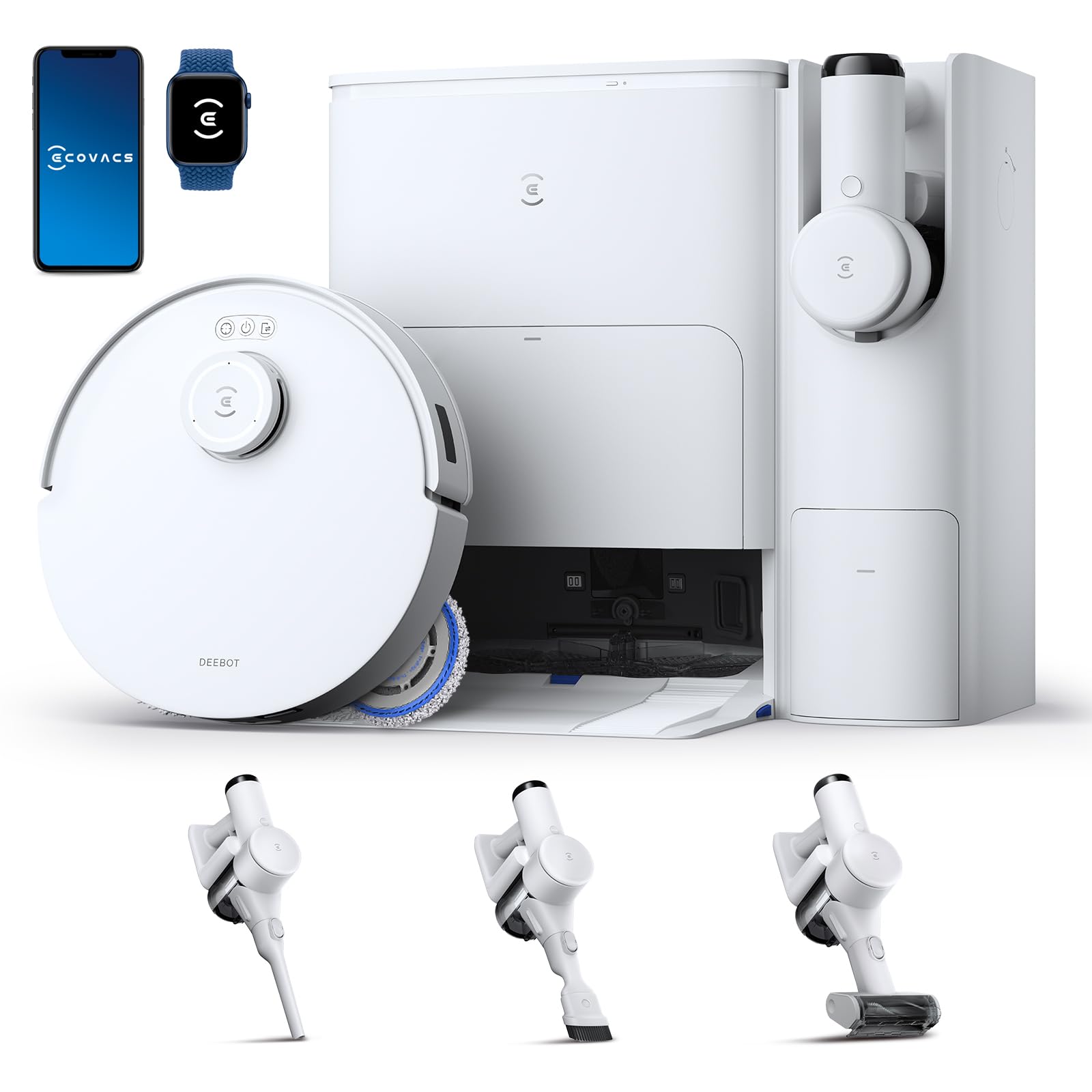
As we navigate the complexities of the modern workplace, one thing is certain: Automation is here to stay. From manufacturing to customer service, robots and artificial intelligence (AI) are increasingly taking on tasks once thought exclusive to humans.
What is Automation?
Automation refers to the use of technology to perform tasks that would otherwise require human intervention. This can include everything from simple data entry to complex manufacturing processes. As automation continues to evolve, we’re seeing a shift towards more advanced technologies like machine learning and natural language processing (NLP).
Benefits of Automation
The benefits of automation are numerous:
- Increased Productivity: By taking on routine tasks, employees are free to focus on high-level thinking and creative problem-solving.
- Improved Accuracy: Machines are far less prone to error than humans, reducing the likelihood of mistakes and improving overall quality.
- Enhanced Customer Experience: Automation can help businesses provide faster, more personalized service to customers.
The Impact on Employment
As automation continues to transform the workplace, there’s growing concern about its impact on employment. While it’s true that some jobs may be lost as a result of technological advancements, others will be created in fields like AI development and deployment.
| Job Type | Current Job Count | Future Job Count |
|---|---|---|
| Data Analysts | 150,000 | 200,000 |
| Software Developers | 1.4 Million | 2.5 Million |
The Role of AI in The Workplace
Artificial intelligence (AI) is playing an increasingly important role in the workplace. From chatbots to predictive analytics, AI is helping businesses make better decisions and improve operational efficiency.
| Industry | Current AI Adoption Rate | Future AI Adoption Rate |
|---|---|---|
| Healthcare | 70% | 90% |
| Finance | 60% | 80% |
The Benefits of AI in The Workplace
The benefits of AI in the workplace are numerous:
- Improved Decision-making: By analyzing vast amounts of data, AI can provide insights that would otherwise be impossible to obtain.
- Enhanced Customer Experience: Chatbots and other conversational interfaces are helping businesses provide faster, more personalized service to customers.
The Future of Work
As automation continues to transform the workplace, we’re seeing a shift towards more flexible, adaptable work arrangements. With the rise of remote work and freelancing, employees are gaining greater control over their careers and work-life balance.
| Industry | Current Remote Work Rate | Future Remote Work Rate |
|---|---|---|
| Technology | 40% | 60% |
| Healthcare | 30% | 50% |
The Benefits of Flexible Work Arrangements
The benefits of flexible work arrangements are numerous:
- Improved Work-life Balance: By allowing employees to work from anywhere, businesses can help them achieve a better balance between their personal and professional lives.
- Increased Productivity: With the freedom to work in a setting that suits them best, employees are often more productive and focused.
The Challenges of Flexible Work Arrangements
While flexible work arrangements offer many benefits, they also present some challenges:
- Communication Breakdowns: Without face-to-face interaction, communication can sometimes break down.
- Security Concerns: With the rise of remote work, businesses must be vigilant in protecting sensitive data and systems.
Conclusion
As automation continues to transform the workplace, we’re seeing a shift towards more flexible, adaptable work arrangements. While there are challenges to overcome, the benefits of this new landscape are undeniable: Improved productivity, enhanced customer experience, and greater control over one’s career and work-life balance.
| Faqs | Answer |
|---|---|
| What is automation? | The use of technology to perform tasks that would otherwise require human intervention. |
| How will automation impact employment? | While some jobs may be lost as a result of technological advancements, others will be created in fields like AI development and deployment. |
| What role does AI play in the workplace? | AI is playing an increasingly important role in the workplace, from chatbots to predictive analytics. |
| What are the benefits of flexible work arrangements? | Improved work-life balance and increased productivity are just a few of the many benefits of flexible work arrangements. |
| How can businesses overcome the challenges of flexible work arrangements? | By prioritizing communication and security, businesses can mitigate the risks associated with remote work and reap its rewards. |


