
Starting a Software as a Service (SaaS) business can seem like an uphill battle filled with unpredictable challenges. However, success stories abound, and many entrepreneurs have transformed their innovative ideas into operational, lucrative businesses. One key to this success lies in developing a robust business plan that attracts angel investors. In this article, we’ll explore the essential steps in crafting an effective SaaS business plan and discuss how to gain the attention of angel investors.
Understanding the SaaS Model
Before diving into the intricacies of business plans, it’s crucial to understand what SaaS is and why it has become increasingly enticing to entrepreneurs and investors alike.
What Is SaaS?
Software as a Service delivers software applications over the internet rather than being installed on local machines. Users can access these applications via a web browser, usually through a subscription model. This approach offers several benefits: lower upfront costs, scalability, ease of use, and the ability to update software automatically.
Why Investors Love SaaS
Angel investors are naturally drawn to SaaS businesses for several reasons:
- Recurring Revenue: Subscription models create predictable and recurring income, which reduces financial risk.
- Scalability: SaaS businesses can easily scale without significant additional costs, increasing the potential for high profit margins.
- Market Demand: As global digital transformation accelerates, the demand for innovative software solutions continues to grow.
Crafting the Ultimate SaaS Business Plan
Your business plan serves as the roadmap that guides you from idea to execution. To develop a plan that is attractive to angel investors, consider focusing on the following key components:
1. Executive Summary
The executive summary is your elevator pitch. It should succinctly encapsulate your business idea, target market, competitive advantages, and funding needs.
- Keep It Brief: Aim for a 1-2 page overview that captures the essence of your vision.
- Highlight Your Unique Selling Proposition (USP): Clearly articulate what sets your offering apart from others in the market.
2. Business Description
Delve deeper into the nature of your business. Explain your SaaS solution, its functionalities, and its core benefits.
- Mission Statement: Craft a clear and compelling mission statement that reflects your long-term vision.
- Vision and Goals: Outline short-term and long-term goals for your SaaS product.
3. Market Analysis
A well-researched market analysis demonstrates an understanding of the competitive landscape and potential customer segments.
- Identify Your Target Market: Who are your ideal customers? Define demographics, psychographics, and buying behavior.
- Analyze Competitors: Conduct a SWOT analysis (Strengths, Weaknesses, Opportunities, Threats) of your competitors to identify gaps and opportunities in the market.
4. Marketing Strategy
Your marketing strategy should outline how you plan to acquire customers and retain them.
- Marketing Channels: Specify which channels (SEO, social media, content marketing) you will prioritize and why.
- Customer Acquisition Costs (CAC): Present how much you expect to spend to acquire each customer and contrast that with their lifetime value (LTV).
5. Revenue Model
A clear revenue model is vital to attracting angel investors. They want to know how your business plans to generate revenue.
- Subscription Plans: Detail your pricing tiers, what features are included at each level, and any free trial or freemium offers.
- Upselling and Cross-Selling: Illustrate how you plan to grow revenue through upselling additional features or complementary products.
6. Operational Plan
An operational plan offers insight into how your business will run on a day-to-day basis.
- Development Timeline: Outline the timeline for product development, including key milestones.
- Team Structure: Identify key team members and their roles, emphasizing expertise that aligns with your business goals.
7. Financial Projections
Your financial section should provide a comprehensive picture of your anticipated income and expenses.
- Five-Year Projections: Include revenue, profit margins, expenses, and cash flow projections for at least five years.
- Break-Even Analysis: Show at what point your business will start making a profit.

- Overcome negative thought patterns, reduce stress, and live a worry-free life
- Overthinking is the biggest cause of unhappiness
- Don't get stuck in a never-ending thought loop
- Stay present and keep your mind off things that don't matter, and never will
- Break free of your self-imposed mental prison
8. Funding Requirements
In this section, communicate how much funding you need and how you plan to use those funds.
- Specific Use of Funds: Detail how investment will be allocated (e.g., product development, marketing, hiring).
- Exit Strategy: Highlight potential exit strategies, whether through acquisition, IPO, or other means, to give investors a vision of their returns.
Making Your Business Attractive to Angel Investors
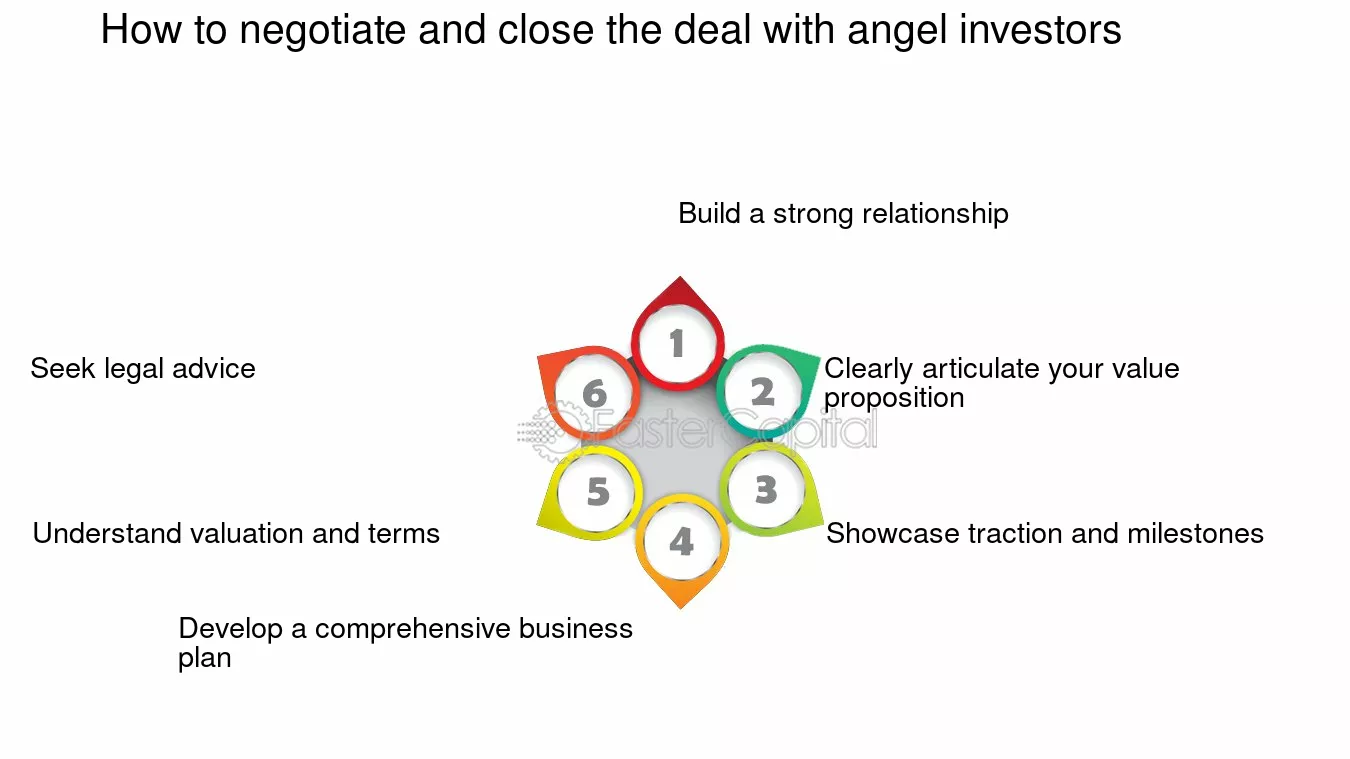
Securing angel investment is crucial for any SaaS business seeking rapid growth. Here are strategies to enhance your chances:
1. Networking
Connection is key in the startup world. Attend industry events, join entrepreneurship networks, and leverage your existing connections to meet potential investors.
2. Create a Compelling Pitch Deck
Your pitch deck should complement your business plan and tantalize investors.
- Visual Appeal: Use graphics to make information digestible and to maintain engagement.
- Narrative Flow: Tell a story that resonates with investors, clearly defining the problem, your solution, market opportunity, and how their investment plays a pivotal role.
3. Demonstrate Traction
Investors seek validation. Show early signs of traction—whether through user acquisition numbers, partnerships, or revenue growth.
- Beta Testing or Pilot Programs: Launch a beta version to garner user feedback and prove demand.
- Customer Testimonials: Positive reviews and case studies can effectively communicate the value of your product.
Overcoming Challenges
While the journey from idea to execution is exhilarating, challenges are inevitable.
1. Competition
With numerous SaaS companies emerging, standing out can be tough. Regularly revisit your USP and adapt your offering based on market dynamics.
2. Cash Flow Management
Sustaining cash flow while scaling can strain resources. Develop a financial management plan that encompasses strict budget controls.
3. Hiring Challenges
Recruiting the right talent is essential. Focus not just on skills but also on cultural fit to enable a cohesive team dynamic.
Conclusion: The Journey Ahead
Transitioning from idea to execution in launching a SaaS business is complex but immensely rewarding. By developing a comprehensive business plan, showcasing your value proposition, and actively networking with potential investors, you position yourself for success in the competitive SaaS landscape.
Angel investments can be a game-changer, accelerating growth and facilitating the realization of your vision. As you embark on this exciting journey, remember that resilience, adaptability, and a strong support network are your most valuable assets. The SaaS world is dynamic, but with the right strategy and execution, the sky is truly the limit.
In the words of Steve Jobs, “Innovation distinguishes between a leader and a follower.” Become that leader. From the spark of an idea to executing a strategic business plan, your journey to attracting angel investors and transforming the SaaS landscape begins now!
Additional Resources
- Books
- “The Lean Startup” by Eric Ries – A must-read for any entrepreneur looking to develop a sustainable business model.
-
“Crossing the Chasm” by Geoffrey A. Moore – This book offers insight into marketing technology products.
-
Online Courses
- Coursera offers courses on entrepreneurship that can provide deeper insights into business planning and execution.
-
Udemy has spectacular courses focusing on SaaS product management and growth strategies.
-
Communities
- Join online forums and communities such as Indie Hackers or SaaStr where you can connect with like-minded entrepreneurs and learn from their journeys.
Starting a SaaS business is an adventure filled with potential. Create your roadmap wisely and pursue your dreams relentlessly. Happy planning!


