
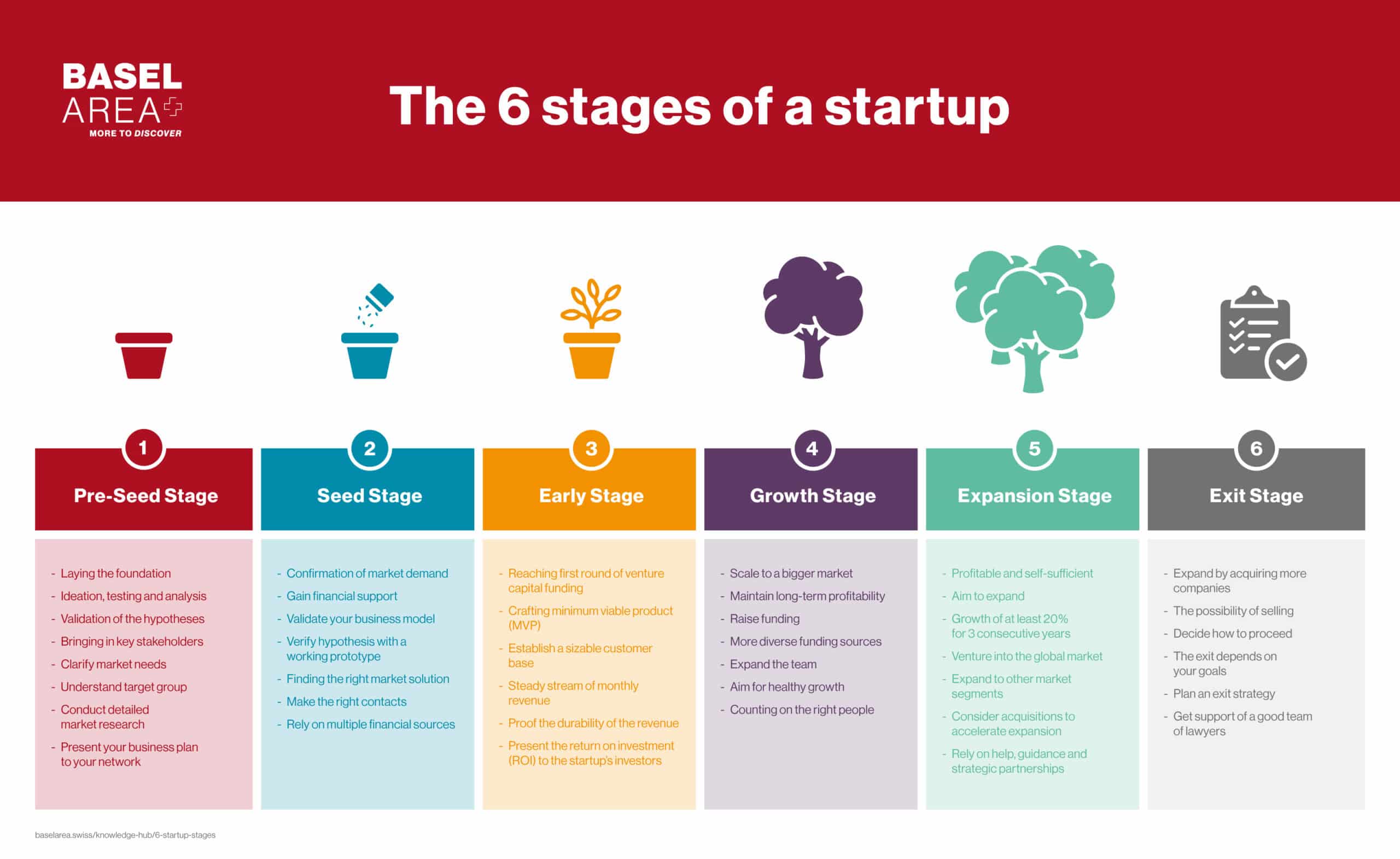
Embarking on the startup journey can feel like stepping into uncharted waters. Whether you’re a first-time entrepreneur or a seasoned business owner, transforming a simple idea into a product that resonates with consumers is a multifaceted process. This article will take you through the key stages of this journey, providing insights, tips, and real-world examples to illuminate the path from concept to launch.
Understanding the Startup Lifecycle
The startup lifecycle consists of several key stages: ideation, validation, development, launch, and growth. Each stage presents unique challenges and opportunities, and recognizing them can help you navigate your entrepreneurial journey more effectively.
1. Ideation: The Seed of Genius
Every successful product starts with an idea. But not every idea is a viable business opportunity. The ideation phase requires creativity, market research, and a keen understanding of the problem you want to solve.
Finding the Right Problem
Begin by identifying pain points in the market. Speak with potential customers to learn about their frustrations and desires. The most successful startups often stem from a personal experience or a deep understanding of a specific issue. For example, Airbnb was born from the founders’ need to make extra money by renting out their space during a conference. As they delved deeper, they realized they could solve a larger issue within the travel industry: the lack of affordable, home-like accommodations.
Brainstorming Solutions
Once you’ve identified a problem, brainstorm solutions. Encourage divergent thinking among your team or peers—no idea is too outrageous at this point. Use techniques like mind mapping or reverse brainstorming to cultivate innovative ideas. After generating possibilities, sift through them to identify which ideas have the potential for success.
2. Validation: Testing the Waters
With a promising idea in hand, it’s time to validate it. Validation helps to ensure that there’s a market for your product before you invest time and resources into development.
Building a Minimum Viable Product (MVP)
An MVP is a basic version of your product that contains just enough features to satisfy early adopters. The goal is to launch quickly and gather valuable feedback. Dropbox, for instance, started with a simple video demonstrating its file-sharing capabilities. This approach allowed them to gauge interest and validate their product concept before investing heavily in development.
Collecting Feedback
Once your MVP is live, it’s crucial to gather feedback from users. Use surveys, interviews, and analytics to understand how your product is being received. What do users love? What features are missing? This feedback loop will be essential for your next steps.
3. Development: Bringing Your Vision to Life
After validating your idea, it’s time to dive into product development. This stage involves planning, designing, and building your product while continuously iterating based on user feedback.
Design Thinking
Employ design thinking principles to guide your development process. This human-centric approach focuses on empathy, ideation, and experimentation. Create user personas to understand your target audience better and ensure your product meets their needs.
Agile Methodology
Consider using an agile methodology for product development. Agile encourages iterative progress through collaborative sprints, allowing you to adapt to changing requirements and user feedback swiftly. Many successful tech companies, including Spotify and Netflix, utilize this method to maintain flexibility and responsiveness.

- Overcome negative thought patterns, reduce stress, and live a worry-free life
- Overthinking is the biggest cause of unhappiness
- Don't get stuck in a never-ending thought loop
- Stay present and keep your mind off things that don't matter, and never will
- Break free of your self-imposed mental prison
4. Launch: Making Your Mark
With your product ready, the next step is to launch. This phase is pivotal and can determine the trajectory of your startup.
Building Hype
Before the official launch, create anticipation among your target audience. Use social media, email newsletters, and influencer partnerships to generate excitement. Consider conducting a soft launch to a limited audience to iron out any last-minute issues.
Official Launch Strategies
When you’re ready for the big reveal, implement a well-thought-out launch strategy. This could involve special promotional offers, events, or partnerships. Consider leveraging PR outreach to gain media coverage and broaden your reach. The launch of the iPhone is a prime example of how effective marketing and anticipation can lead to monumental success.
5. Growth: Scaling Your Startup
After launching, the real challenge begins: sustaining growth. You must continue to innovate, listen to customer feedback, and adapt to market changes to thrive in the competitive landscape.
Customer Retention
Prioritize customer satisfaction and retention over acquiring new customers. Implement loyalty programs, personalized marketing, and responsive customer service. Companies like Amazon have mastered this approach, creating a seamless shopping experience that keeps customers coming back.
Expanding Your Offerings
As your initial product gains traction, consider ways to expand your offerings. This could involve introducing complementary products, targeting new customer segments, or exploring different marketing channels. For instance, Netflix transitioned from DVD rentals to streaming services, revolutionizing the entertainment industry.
Key Takeaways for Aspiring Entrepreneurs
Starting a business is no small feat, but keeping a clear focus on each stage of the journey can set you up for success. Here are a few key takeaways to help you in your startup endeavors:
-
Stay flexible: The entrepreneurial landscape is ever-changing. Being adaptable will help you respond to market shifts and consumer needs.
-
Network: Building connections in your industry can provide valuable insights and partnerships. Attend networking events, join entrepreneurship groups, and cultivate relationships with mentors.
-
Measure everything: Utilize metrics to gauge your progress. This data-driven approach will empower you to make informed decisions and strategy adjustments.
-
Stay committed: The startup journey can be filled with ups and downs. Staying committed to your vision will help you persevere during challenging times.
Conclusion
The startup journey, from idea to product, is intricate yet rewarding. By understanding each phase and leveraging best practices, aspiring entrepreneurs can navigate this journey with confidence. Remember to validate your ideas, listen to your customers, and remain agile as you grow. The world is full of opportunities waiting to be explored; take the leap, and who knows—the next big startup could very well be yours!
As you embark on this exciting journey, keep the lessons learned here in mind. With passion, perseverance, and the right strategies, you can turn your innovative ideas into products that make a meaningful impact. Happy innovating!


