
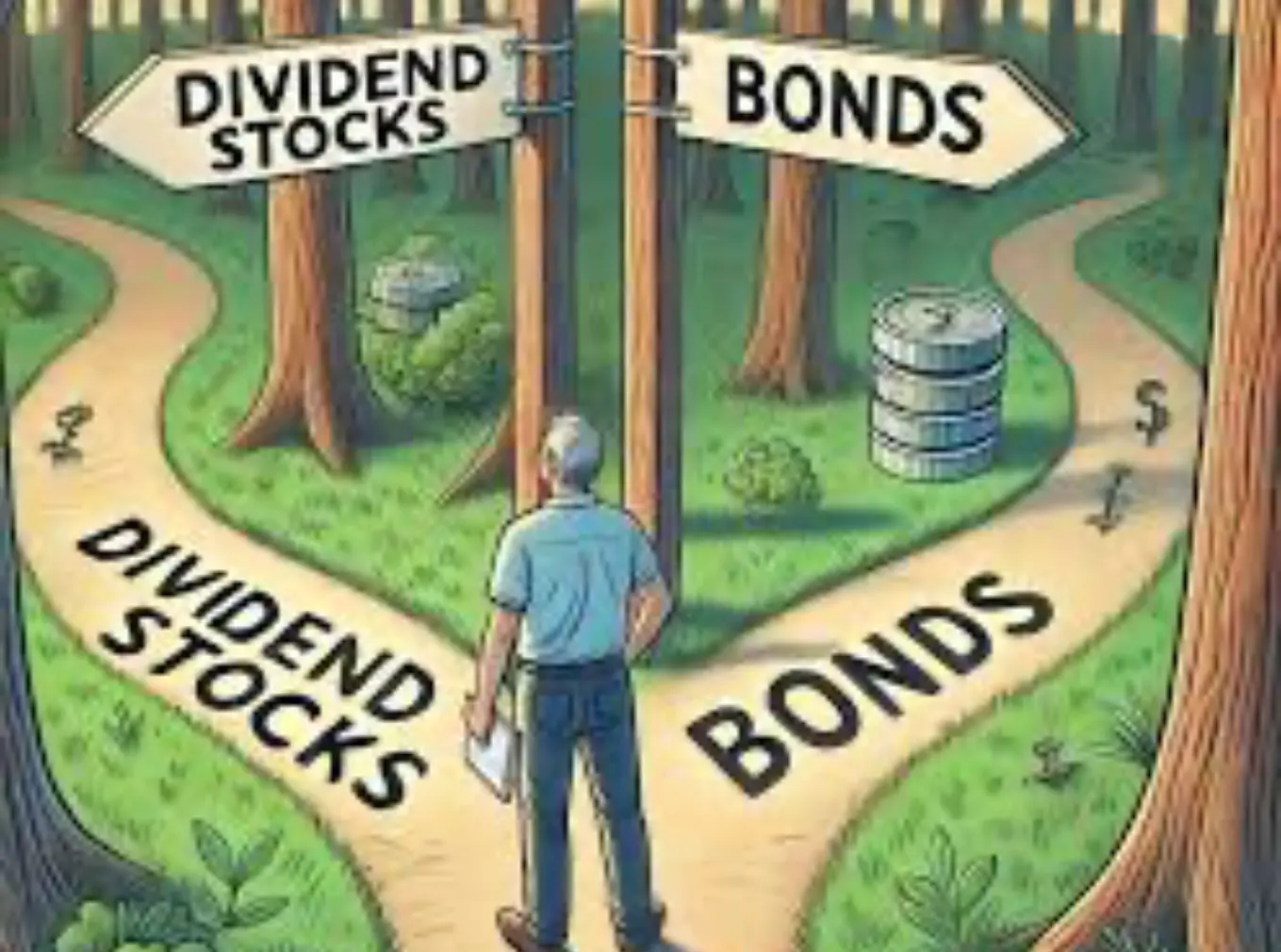
While bonds promise security and predictable cash flow, many U.S. investors wonder if dividend-paying stocks might offer higher returns over the same period. The goal is clear: generate reliable income that allows you to cover expenses, reinvest, or even approach financial freedom. By comparing U.S. Treasuries, corporate bonds, and dividend stocks, we can evaluate which combination optimizes both yield and risk over a four-year horizon.
Scenario Analysis: $50,000 Investment Over Four Years
| Investment Type | Annual Yield | Total Interest/Dividends | Cumulative Return After 4 Years | Risk Level |
|---|---|---|---|---|
| U.S. 4-Year Treasury | 3.0% | $6,000 | $6,000 (principal returned separately) | Very Low |
| Investment-Grade Corporate | 5.5% | $11,000 | $11,000 | Low-Medium |
| Dividend Stocks (Avg 4% yield, 6% growth) | 4% + growth | ~$8,000 | ~$10,000 | Medium-High |
Key Insights from the Table
- Treasuries provide safety but limited yield.
- Corporate bonds increase income but carry credit risk.
- Dividend stocks combine income and growth but can be volatile.
- Reinvesting dividends can amplify total returns.
Step-by-Step: Reinvesting for Maximum Compounding
Example: $50,000 in a dividend stock ETF yielding 4% annually with 6% capital growth, reinvesting dividends each year.
- Year 1: $50,000 × 4% = $2,000 dividend → reinvested to buy more shares.
- Year 2: New base $52,000 → 4% = $2,080 dividend.
- Year 3: New base $54,080 → 4% = $2,163 dividend.
- Year 4: New base $56,243 → 4% = $2,250 dividend.
Cumulative dividends reinvested: $8,493
Portfolio value with growth: ~$61,000–$62,000 after 4 years
This demonstrates how reinvestment accelerates returns compared to simply collecting coupons or dividends without reinvesting.
Bond Ladder Example
Imagine a $50,000 bond ladder across 4 maturities (1–4 years), investing in U.S. Treasuries with rising yields:
| Year | Amount Invested | Yield | Interest Received |
|---|---|---|---|
| 1 | $12,500 | 3.0% | $375 |
| 2 | $12,500 | 3.2% | $400 |
| 3 | $12,500 | 3.5% | $438 |
| 4 | $12,500 | 3.7% | $463 |
Total coupon payments over 4 years: $1,676
Benefit: Staggered maturities reduce interest rate risk and provide liquidity to reinvest at potentially higher rates.
Combining Strategies: Dividend + Bond Hybrid
A conservative strategy for U.S. investors:
- $25,000 in a 4-year Treasury ladder (3–3.7% yield) → ~$838 interest over 4 years
- $25,000 in a dividend ETF (4% yield + growth) → ~$4,000–$5,000 cumulative dividends
Total income after 4 years: ~$4,838–$5,838
Advantages: Balance of stability (Treasuries) and growth (dividends) with minimized risk.
Tax-Efficient Approaches
- Use Roth IRAs or 401(k)s to shelter bond and dividend income from federal taxes.
- Municipal bonds may offer tax-free income if held in taxable accounts.
- Qualified dividends from U.S. stocks often receive lower capital gains tax rates, improving after-tax returns.
Risk Management Tips
- Diversify across issuers, maturities, and sectors.
- Consider bond ETFs for broader exposure without concentration risk.
- Reinvest steadily, but keep a portion of cash to avoid forced selling during market dips.
- Monitor credit ratings for corporate bonds; aim for A or higher for lower default risk.
FAQ (Extended)
Q1: Can bond ladders protect against rising interest rates?
Yes, because as shorter-term bonds mature, you can reinvest at higher rates, reducing exposure to long-term rate declines.
Q2: What is a reasonable mix of bonds and dividend stocks?
A 50/50 split is common for moderate risk. Conservative investors may hold 70% bonds, while aggressive investors may favor 60–70% dividend stocks.
Q3: How do inflation and interest rates affect bonds?
Inflation erodes fixed interest payments. Rising rates lower bond market prices, but holding bonds to maturity avoids principal loss.
Q4: Can I achieve 12% total returns in 4 years safely?
Yes, with a combination of Treasuries and dividend reinvestment. Corporate bonds may increase returns but also increase risk.
Q5: Should I consider international bonds?
Foreign bonds can diversify portfolios, but currency and geopolitical risks must be considered. For U.S. investors, domestic Treasuries and corporate bonds often suffice for stability.
Conclusion (Extended)
The pursuit of 12% cumulative returns over four years is achievable in the U.S. fixed-income market without resorting to high-risk speculation. By combining Treasuries, corporate bonds, and dividend-paying stocks, investors can tailor a strategy balancing safety, liquidity, and growth.
Strategic reinvestment, diversification, and tax-efficient planning amplify income while reducing risk. For investors seeking predictable returns and gradual wealth accumulation, bonds—whether alone or as part of a hybrid approach—remain a cornerstone of financial planning. Understanding the trade-offs between yield, safety, and growth is the key to making informed decisions in today’s dynamic economic landscape.
Disclaimer
The information contained in this article is provided for educational and informational purposes only and does not constitute financial, investment, or other advice. Before making any investment decisions, readers should consult a qualified financial advisor. Past performance is not indicative of future results, and all investments carry risk. TheMarketCapitalist.com is not responsible for any losses resulting from the use of the information provided.


