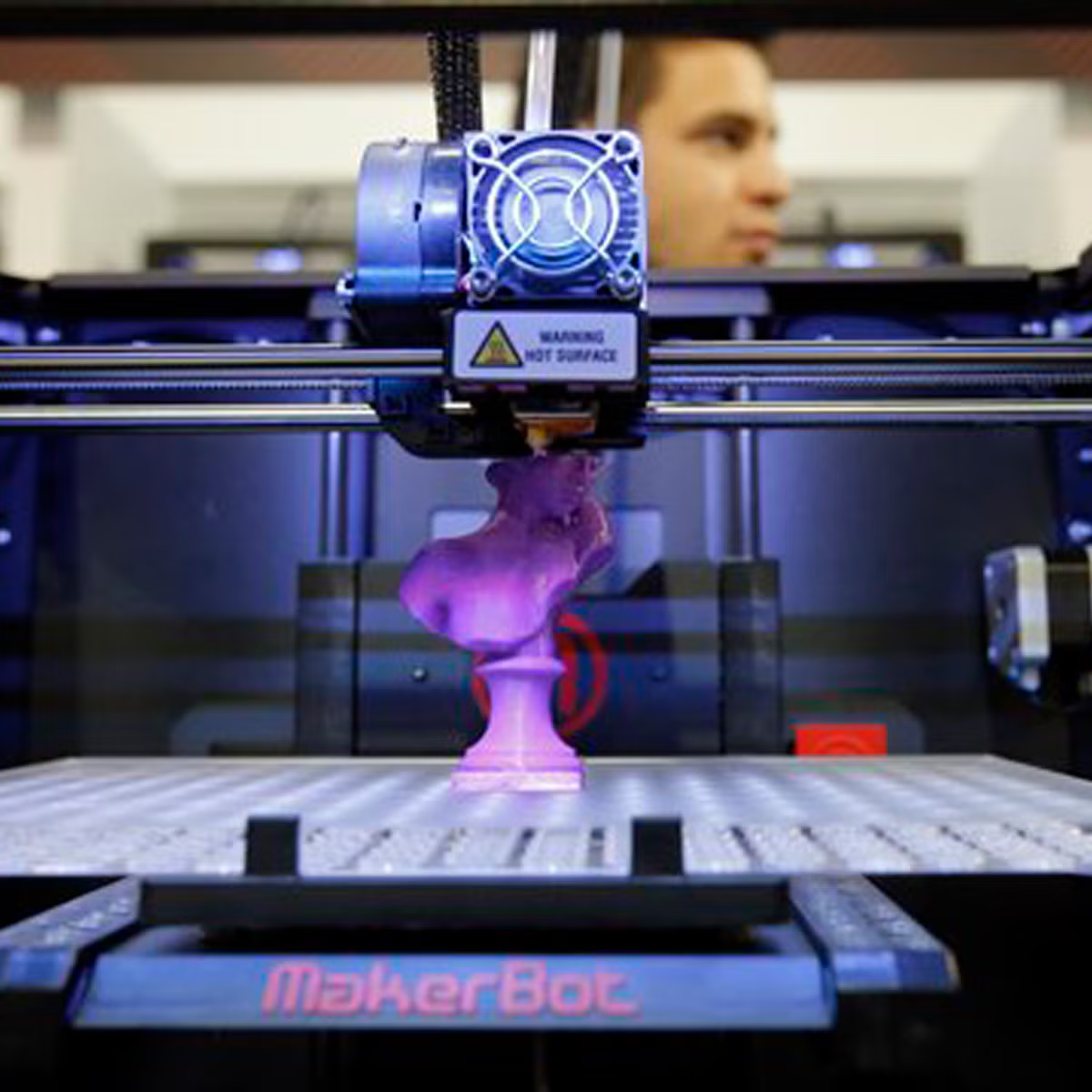
The World of 3D Printing: A Guide to Understanding Printers And Their Processes
Introduction
In recent years, the world of 3D printing has experienced a significant surge in popularity, with many individuals and businesses adopting this innovative technology for various purposes. However, despite its growing acceptance, there still exists a lack of understanding regarding how 3D printers function and the different types of printers available. In this article, we will delve into the world of 3D printing, exploring the basics of printer functionality and discussing the various types of printers that exist.
What Are 3D Printers?
3D printers are machines that create physical objects from digital designs by layering materials such as plastics, metals, and resins. These printers use a combination of software, hardware, and materials to bring designs to life. The process involves creating a digital model using computer-aided design (CAD) software, which is then sliced into layers by the printer’s control system.
How Do 3D Printers Function?
The functioning of 3D printers can be divided into several stages:
- Material Preparation: The printer prepares the material for printing, such as melting plastic or heating metal.
- Layering: The printer creates a layer of material based on the digital design.
- Solidification: The layer is solidified using heat, light, or other methods.
- Repeat Process: Steps 2 and 3 are repeated until the entire object is created.
Types of 3D Printers
There are several types of 3D printers available, each with its unique characteristics and applications:
Fdm (Fused Deposition Modeling) Printers
- Description: FDM printers use melted plastic to create objects layer by layer.
- Material: Common materials used in FDM printing include PLA, ABS, and PETG.
- Application: FDM printers are suitable for creating prototypes, models, and functional parts.
Sla (Stereolithography) Printers
- Description: SLA printers use resin to create objects layer by layer.
- Material: Resin is the primary material used in SLA printing.
- Application: SLA printers are ideal for creating detailed models, prototypes, and dental implants.
Sls (Selective Laser Sintering) Printers
- Description: SLS printers use a laser to fuse together powder particles to create objects.
- Material: Common materials used in SLS printing include nylon, polyamide, and metal powders.
- Application: SLS printers are suitable for creating functional parts, prototypes, and end-use products.
Other Types of 3D Printers
- Material Jetting (MJ): MJ printers use a print head to deposit material onto a build platform.
- Drop-on-demand (DOD) Printing: DOD printers use a print head to drop material onto a build platform.
- Directed Energy Deposition (DED): DED printers use a focused beam of energy to melt and deposit metal onto a substrate.
Which 3D Printer Should I Buy?
With the variety of 3D printers available, choosing the right one can be daunting. When selecting a printer, consider factors such as:
- Purpose: What will you be using the printer for?
- Material Selection: Which materials do you want to work with?
- Budget: How much are you willing to spend on a 3D printer?
Consulting online reviews and seeking advice from experienced users can help guide your decision.
Conclusion
In conclusion, understanding how 3D printers function and the various types of printers available is essential for those looking to adopt this technology. By considering factors such as material selection, budget, and purpose, you can make an informed decision when choosing a 3D printer.
Here are some frequently asked questions about 3D printing:
- Q: What is The Most Common Type of 3D Printer?
A: FDM (Fused Deposition Modeling) printers are the most common type of 3D printer. - Q: Which Material is Best For Creating Detailed Models And Prototypes?
A: Resin is ideal for creating detailed models, prototypes, and dental implants. - Q: Can I Use a 3D Printer to Create Functional Parts And End-use Products?
A: Yes, SLS (Selective Laser Sintering) printers are suitable for creating functional parts, prototypes, and end-use products. - Q: What is The Main Difference Between Fdm And Sla Printing?
A: The primary material used in FDM printing is melted plastic, while resin is used in SLA printing. - Q: Can I Use a 3D Printer to Create Objects With Complex Geometries?
A: Yes, SLS printers can create objects with complex geometries using powder particles.