
The article provides a comprehensive overview of lithium-ion batteries, covering their history, functionality, benefits, and limitations.
A Brief History of Lithium-ion Batteries
- The concept of lithium-ion batteries dates back to 1912.
- In the 1970s, the development of lithium-ion batteries gained momentum.
- John B. Goodenough perfected the design for Sony in 1991.
How Lithium-ion Batteries Work
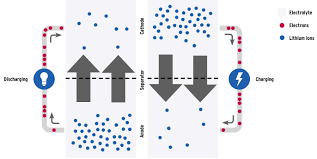
A lithium-ion battery consists of several electronic parts working together to generate energy. Each cell is made up of three main components:
- Positive Electrode (cathode): Releases lithium ions during charging.
- Negative Electrode (anode): Stores lithium ions during discharge.
- Electrolyte: Facilitates the flow of ions between the cathode and anode.
Advantages And Disadvantages of Lithium-ion Batteries
Pros:
- High energy density
- Long lifespan
- Low self-discharge
Cons:
- Expensive
- Limited durability
- Heat sensitivity
Conclusion
Lithium-ion batteries are a crucial part of our daily lives, powering everything from smartphones to electric cars. While they have several advantages, including high energy density and long lifespan, they also have some disadvantages, such as being expensive and heat-sensitive. By understanding how lithium-ion batteries work and their benefits and limitations, we can better appreciate the technology that drives our world.
Frequently Asked Questions
- What is The Purpose of an Electrolyte in a Lithium-ion Battery?
The electrolyte plays a crucial role in facilitating the flow of ions between the cathode and anode. - Can Lithium-ion Batteries be Recycled?
Yes, lithium-ion batteries can be recycled to reduce electronic waste and recover valuable materials. - What Are Some Common Causes of Lithium-ion Battery Degradation?
Lithium-ion batteries can degrade due to various factors, including high temperatures, overcharging, and physical stress. - Can Lithium-ion Batteries be Used in Applications That Require High Power Output?
While lithium-ion batteries are powerful, they might not be the best choice for applications requiring extremely high power output. - What is The Role of a Cathode in a Lithium-ion Battery?
The cathode plays a crucial part in releasing lithium ions during the charging process. - How do I Properly Care For my Lithium-ion Batteries to Extend Their Lifespan?
Proper care includes avoiding extreme temperatures, keeping them away from physical stress, and following proper charging procedures.
Conclusion
Lithium-ion batteries are an essential component of our modern world, powering everything from small devices like smartphones to larger systems like electric cars. While they offer several benefits, including high energy density and long lifespan, it’s also important to be aware of their limitations and potential drawbacks. By understanding these factors, we can better utilize lithium-ion batteries and make informed decisions about their use in various applications.


