
The World of Microphones: Understanding Their Functionality
As we navigate the world of audio recording and live performances, it’s essential to grasp the basics of microphones. These devices are crucial for capturing sound waves and converting them into electrical signals that can be amplified or recorded. In this article, we’ll delve into the functionality of different types of microphones, including dynamic, condenser, and wireless microphones.
Understanding Microphone Types
Before we dive deeper, it’s essential to understand the primary types of microphones:
- Dynamic Microphones: These microphones are robust and can handle high sound pressure levels. They’re often used for live performances, public speaking, and recording loud instruments.
- Condenser Microphones: These microphones are sensitive and capture a wide range of frequencies. They’re ideal for recording acoustic instruments, vocals, and other delicate sounds.
- Wireless Microphones: These microphones use radio frequency (RF) signals to transmit audio to a receiver. They’re often used in live performances, presentations, and public speaking.
How Dynamic Microphones Function
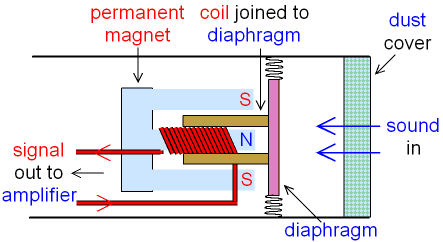
Dynamic microphones are designed to capture sound waves and convert them into electrical signals. Here’s how they work:
- Sound Waves: When sound waves hit the microphone’s diaphragm, it vibrates.
- Coil Movement: The diaphragm is connected to a coil that moves when the diaphragm vibrates.
- Magnetic Field: The coil moves within a magnetic field created by a magnet.
- Electrical Current: As the coil moves, an electrical current is generated.
How Condenser Microphones Function
Condenser microphones are designed to capture delicate sounds and convert them into electrical signals. Here’s how they work:
- Sound Waves: When sound waves hit the microphone’s diaphragm, it vibrates.
- Condenser Movement: The diaphragm is connected to a condenser that moves when the diaphragm vibrates.
- Electrical Current: As the condenser moves, an electrical current is generated.
How Wireless Microphones Function
Wireless microphones use radio frequency (RF) signals to transmit audio to a receiver. Here’s how they work:
- Sound Waves: When sound waves hit the microphone’s diaphragm, it vibrates.
- Electrical Current: As the diaphragm vibrates, an electrical current is generated.
- Radio Frequency Signal: The electrical current is converted into a radio frequency signal.
- Receiver: The radio frequency signal is received by a receiver and converted back into an electrical signal.
Choosing The Right Microphone
When choosing a microphone, consider the type of sound you want to capture and the environment in which you’ll be using it. Dynamic microphones are ideal for live performances and recording loud instruments, while condenser microphones are perfect for capturing delicate sounds. Wireless microphones offer convenience and flexibility.
Conclusion
In conclusion, microphones play a crucial role in audio recording and live performances. Understanding how different types of microphones function can help you make informed decisions when choosing the right microphone for your needs. Whether you’re a musician, public speaker, or audio engineer, grasping the basics of microphones will take your skills to the next level.
Frequently Asked Questions
Here are some frequently asked questions about microphones:
- What is The Difference Between Dynamic And Condenser Microphones?
- Dynamic microphones are robust and can handle high sound pressure levels, while condenser microphones are sensitive and capture a wide range of frequencies.
- How do Wireless Microphones Work?
- Wireless microphones use radio frequency (RF) signals to transmit audio to a receiver.
- What is The Best Microphone For Live Performances?
- Dynamic microphones are ideal for live performances due to their robust nature and ability to handle high sound pressure levels.
By understanding how different types of microphones function, you’ll be better equipped to make informed decisions when choosing the right microphone for your needs. Whether you’re a musician, public speaker, or audio engineer, grasping the basics of microphones will take your skills to the next level.


