The Magic of Vinyl Records: Understanding How a Record Player Works
As a music enthusiast, have you ever been fascinated by the charm of vinyl records? The crackle of the needle, the warm sound quality, and the tactile experience of holding a physical record in your hands are just a few reasons why many people continue to appreciate the magic of vinyl. In this article, we’ll delve into the world of record players, exploring how they work and what makes them so special.
The History of Record Players
Record players have been around since the late 19th century, with the first mechanical devices capable of playing recorded music emerging in the 1870s. However, it wasn’t until the development of the gramophone that record players became a household name. The gramophone was invented by Emile Berliner and used flat discs made of shellac to play music.
The Components of a Record Player
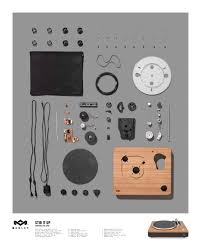
A record player consists of several key components:
- Turntable: This is the rotating platter that holds the vinyl record.
- Tonearm: Also known as the “pencil” or “needle,” this is the arm that holds the cartridge and reads the grooves on the record.
- Cartridge: This is the component that converts the vibrations from the record into an electrical signal.
- Motor: This is the part that drives the turntable, keeping it spinning at a consistent speed.
How a Record Player Works
When you put a vinyl record on the turntable and place the tonearm on the starting groove, the following process occurs:
- The motor spins the turntable at a constant speed.
- The tonearm is placed on the record, and the cartridge reads the grooves.
- The vibrations from the record are converted into an electrical signal by the cartridge.
- This signal is sent to the amplifier and then to the speakers, where it’s converted back into sound waves.
The Principles of Operation
To understand how a record player works, let’s break down the key principles involved:
- Mechanical Energy: The turntable converts mechanical energy from the motor into rotational energy.
- Vibration Detection: The cartridge detects the vibrations from the record and converts them into an electrical signal.
- Signal Transmission: The signal is transmitted to the amplifier, which boosts it for transmission to the speakers.
The Benefits of Vinyl Records
Despite the rise of digital music, vinyl records continue to attract a loyal following. Some of the benefits of vinyl include:
- Warm Sound Quality: Vinyl records are known for their warm, rich sound quality.
- Tactile Experience: Holding a physical record in your hands and experiencing the tactile sensation of listening to music is a unique pleasure.
- Collectibility: Vinyl records can be collected and displayed, making them a popular choice among music enthusiasts.
The Future of Record Players
As technology continues to evolve, we’re seeing new innovations in record players, such as:
- Wireless Connectivity: Many modern record players come with wireless connectivity options, allowing you to stream music from your phone or computer.
- Smart Features: Some record players now feature smart technologies, such as built-in amplifiers and Wi-Fi connectivity.
- Sustainable Manufacturing: With the rise of eco-friendly manufacturing practices, record players are becoming more sustainable than ever.
The Best Record Players For Beginners
If you’re new to vinyl records, here are some top picks for beginner-friendly record players:
- U-turn Orbit: A budget-friendly, manual turntable perfect for beginners.
- Audio-technica At-lp60bk-bt: A wireless turntable with built-in Bluetooth connectivity.
- Pro-ject Debut Carbon DC: A high-quality, automatic turntable with a sleek design.
Conclusion
In conclusion, record players are more than just a nostalgic reminder of the past – they’re a testament to the enduring power of music and technology. Whether you’re a seasoned vinyl enthusiast or just starting out, understanding how a record player works can deepen your appreciation for these magical devices.
Frequently Asked Questions (FAQs)
- Q: How do I Clean my Record Player?
A: Regularly dust and clean the turntable and tonearm to maintain optimal performance. - Q: Can I Use Any Vinyl Record With my Record Player?
A: Make sure the record is compatible with your turntable’s speed (usually 33 1/3 or 45 RPM). - Q: How do I Choose The Best Record Player For Me?
A: Consider factors like budget, space constraints, and desired features when selecting a record player. - Q: Can I Connect my Record Player to a Computer or Phone?
A: Yes, many modern record players come with wireless connectivity options or USB connections for easy digital transfer.
References
- “The History of Record Players” by The Vinyl Factory
- “How Record Players Work” by HowStuffWorks
- “The Best Record Players for Beginners” by What Hi-Fi?
I hope this article has provided you with a comprehensive understanding of record players and their magic. Happy listening!