
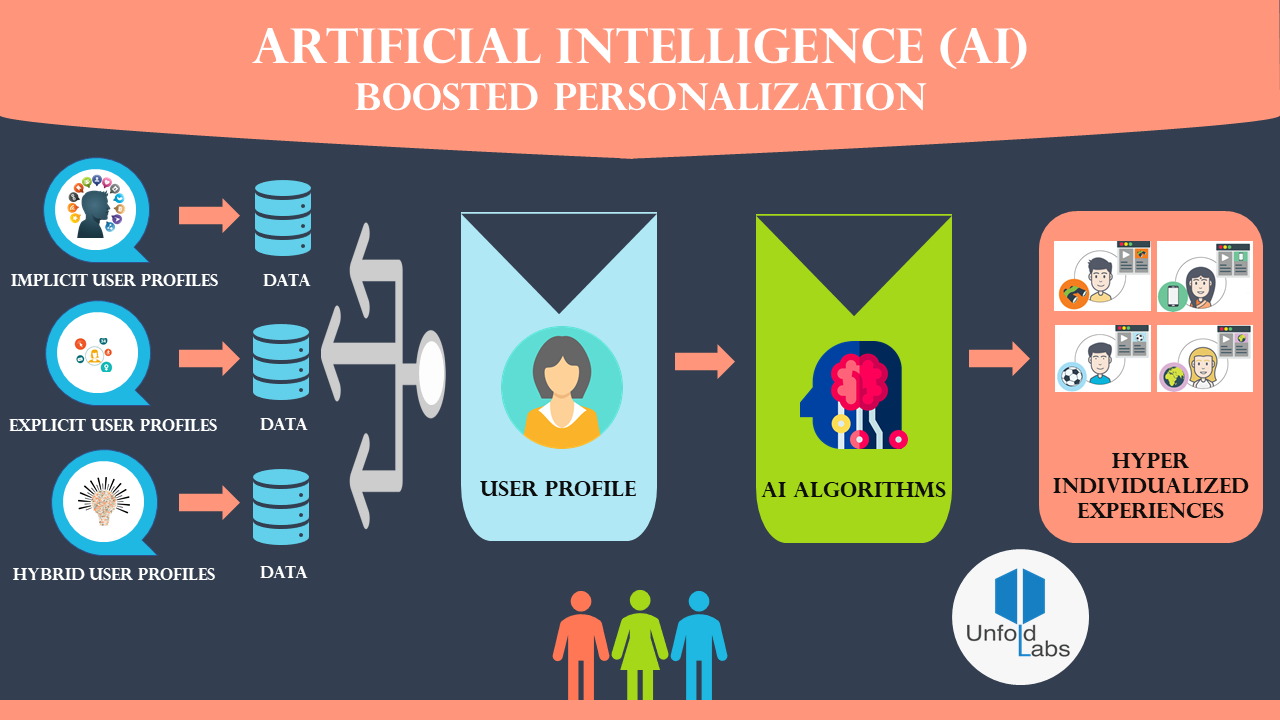
When you think of travel, what comes to mind? The excitement of exploring new places, the thrill of adventure, or perhaps the relaxation of a much-needed getaway? While these are all integral parts of the travel experience, today’s technology is dramatically transforming how we plan and enjoy our trips. One significant player in this transformation is Artificial Intelligence (AI), which is personalizing customer experiences in real-time, making the travel journey smoother and more enjoyable.
In this article, we’ll explore how AI is reshaping the travel industry, how it personalizes customer experiences, and what this means for travelers. Buckle up as we dive into the world of AI in travel!
Understanding AI and Its Role in Travel
Artificial Intelligence refers to the simulation of human intelligence in machines programmed to think and learn. In the travel sector, AI uses large volumes of data to understand customer preferences, patterns, and behaviors, ultimately allowing companies to offer tailored experiences in real-time.
Imagine a world where your travel itinerary is created based on your unique preferences, where you don’t have to sift through endless options but rather receive personalized recommendations. That’s the world AI is creating, enriching the travel experience through enhanced personalization.
How Does AI Personalize Travel Experiences?
1. Smart Recommendations
The travel industry generates massive amounts of data. AI leverages this data to analyze customer behavior and preferences, allowing for smarter recommendations. Whether you’re looking for a hotel, a restaurant, or a fun activity, AI algorithms can analyze your past travel history, reviews, and ratings to provide you with customized suggestions.
For example, if you usually book luxurious hotels and prefer vegan cuisine, your AI-powered travel app will prioritize high-end accommodations and vegan restaurants in its recommendations. This not only saves you time but also increases the likelihood of a satisfying travel experience.
2. Chatbots and Virtual Assistants
Travel booking can be time-consuming and sometimes frustrating, but chatbots and virtual assistants are changing the game. Companies like Expedia and Kayak use AI-driven chatbots to assist customers with their queries, provide information, and book services—24/7. These bots can answer specific questions, recommend activities based on customer interests, and even provide real-time updates on flight delays.
Moreover, as you interact with these chatbots, they learn from your preferences and improve future interactions. The more you engage, the better the bot gets at understanding you—as if you had your personal travel assistant ready to help at all times.
3. Dynamic Pricing
Pricing can vary drastically depending on multiple factors such as demand, season, and even your browsing behavior. AI helps companies alter prices in real-time based on this data, often offering personalized deals to customers. If you are a frequent traveler to a particular destination, hotels might send you exclusive discounts tailored to your interest in frequent bookings.
Imagine you’ve searched for a hotel in New York several times, but you haven’t booked yet. The next time you check, the hotel might offer you a special rate available just to you—thanks to AI’s sophisticated algorithms!
4. Tailored Marketing Campaigns
Marketing in the travel industry has evolved thanks to AI. Companies can analyze customer data to create highly targeted marketing campaigns. You might receive emails that showcase destinations or promotions based on your previous interests or trips.
For instance, if you’ve recently searched for beach resorts in Hawaii, you might see targeted ads or email offers featuring tropical getaways that fit your profile. This level of personalized advertising not only increases customer engagement but also improves conversion rates.
5. Enhanced Travel Itineraries
Planning a trip can often feel overwhelming, but AI applications can significantly simplify the itinerary creation process. AI tools can compile information on flights, accommodations, and activities that suit your preferences into a comprehensive travel itinerary in minutes.
These tools can also adjust itineraries in real-time based on changing circumstances, such as flight delays or unexpected weather conditions. Travelers can receive instant updates and suggestions, allowing for on-the-go adjustments and a seamless travel experience.

- Overcome negative thought patterns, reduce stress, and live a worry-free life
- Overthinking is the biggest cause of unhappiness
- Don't get stuck in a never-ending thought loop
- Stay present and keep your mind off things that don't matter, and never will
- Break free of your self-imposed mental prison
6. Improved Customer Service
In the travel industry, customer service plays a critical role in ensuring a positive experience. AI is enhancing customer service by providing instant support, allowing businesses to react quickly to customer needs. Customers don’t have to wait in long phone queues anymore; they can get instant help through AI chatbots or virtual assistants.
Furthermore, AI can analyze customer feedback and sentiment to improve services continually. Instead of manual reviews, AI processes large volumes of feedback to identify patterns and areas of improvement—ultimately leading to better customer satisfaction.
7. Personalization based on Social Media
Social media is a treasure trove of information for identifying customer preferences. AI can analyze data from platforms like Instagram, Facebook, and Twitter to understand trends, interests, and customer feedback. By studying posts, likes, and shares, travel companies can gain insights into what travelers are looking for.
For example, if someone frequently posts about luxury travel experiences, AI can directly target this individual with offers for upscale resorts or exclusive retreats. Travelers can then receive tailored recommendations that align with their social media interests, creating a more cohesive travel experience.
8. Virtual Reality and AI Integration
Virtual reality (VR) is starting to play a significant role alongside AI in providing personalized experiences. Travel companies can use VR to offer potential customers virtual tours of destinations, allowing them to “experience” a location before booking.
AI can analyze user reactions during these virtual experiences to gauge preferences. If a user shows enthusiasm for beach activities during a tour but seems indifferent to cultural sites, travel platforms can then tailor offerings towards beach resorts or ocean excursions, ensuring that the customer has a memorable experience that suits their tastes.
9. Post-Trip Feedback and Continuous Improvement
The travel experience doesn’t end once you return home. AI plays a vital role in processing post-trip feedback. By analyzing reviews and comments, travel companies can adapt services and create better future offerings.
For example, if multiple travelers express dissatisfaction with a particular hotel’s amenities, businesses can prioritize improvements or even remove it from their recommendations, enhancing service quality for future clientele.
The Future of AI in the Travel Industry
As AI technology continues to evolve, its impact on the travel industry will only expand. Future trends may include even more sophisticated algorithms that provide deeper insights into traveler preferences or AI-driven experiences that offer fully immersive personalized itineraries.
Imagine arriving at an airport and having your preferences known by every point of contact—from the ground staff to your hotel concierge. You could receive tailored suggestions and assistance seamlessly, creating a truly unique travel experience.
Moreover, with advancements in natural language processing, travel AIs will become better at understanding and interpreting human languages, allowing for even more nuanced interactions.
Wrapping It Up
The integration of AI into the travel industry is a game-changer. From personalized recommendations and enhanced customer service to seamless itinerary planning, AI is making travel more enjoyable and tailored. As the technology advances, we can only anticipate even greater personalization, ensuring that every travel experience feels unique.
So the next time you embark on an adventure, remember that behind that smooth booking process and tailored itinerary is sophisticated technology working to make your travel journey as enjoyable as possible. Travel has never been more exciting, and with AI at the helm, the sky is truly the limit!


