
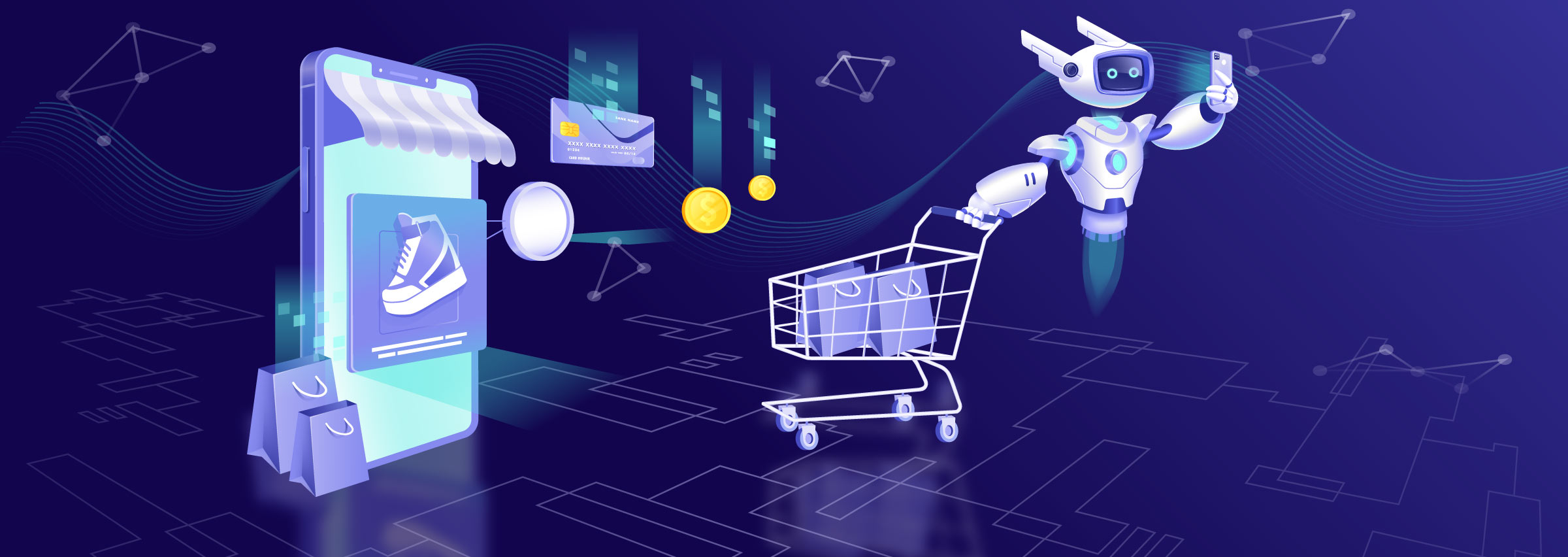
In recent years, artificial intelligence (AI) has revolutionized numerous industries, and one of the most significant transformations is occurring in online shopping. Today, the landscape of e-commerce is more dynamic and innovative than ever before, putting AI at the forefront of this digital evolution. Whether you are a shopaholic browsing for the latest fashion trends or a bargain hunter searching for deals on electronics, AI is reshaping how we shop online. In this article, we’ll explore how AI is redefining online shopping experiences, enhancing convenience, personalization, and overall customer satisfaction.
The Rise of Artificial Intelligence in E-Commerce
Before diving into the specifics, it’s essential to understand why AI has become a game-changer for online shopping. The sheer volume of information and choices that consumers face while shopping online can often lead to analysis paralysis. Herein lies the challenge for e-commerce platforms: how do they guide consumers through the monumental array of products available? This is where AI shines. By leveraging vast amounts of data and sophisticated algorithms, AI makes shopping not only more manageable but incredible personal as well.
1. Personalization: Tailoring Your Shopping Experience
One of the most significant advantages AI offers is its ability to personalize the online shopping experience. Ever opened an e-commerce website and felt like the products displayed were tailor-made for you? That’s AI at work. Through analyzing purchase history, browsing behavior, and even current trends, AI algorithms create customized recommendations that resonate with the individual shopper.
Imagine you frequently shop for sportswear online. An AI-driven platform might suggest products based on your size, preferred brands, and even seasonal trends. Such targeted recommendations streamline decision-making and elevate your shopping experience. Companies like Amazon and Netflix have mastered this technique, resulting in higher engagement and increased customer loyalty.
2. Chatbots: The New Age of Customer Service
Another way AI is redefining online shopping is through the use of chatbots. These virtual assistants are designed to mimic human conversations and are increasingly being deployed by e-commerce sites to assist customers in real time. Chatbots can answer questions, provide product recommendations, and even facilitate transactions.
Imagine you’re about to make a purchase but have some unresolved questions about sizing or shipping. Instead of digging through FAQs or waiting for an email reply, you can chat with an AI-powered bot that provides instant answers. This not only enhances customer satisfaction but also reduces transaction abandonment rates—an important consideration in a competitive online marketplace.
3. Virtual Try-Ons: Changing the Way We Shop for Fashion
Shopping for clothes online often comes with a level of uncertainty, usually revolving around fit and style. However, advances in AI have birthed technologies that allow consumers to virtually try on clothes and accessories. Retailers are increasingly utilizing augmented reality (AR) and AI to create lifelike representations of how a product will look on the customer.
For instance, companies like Warby Parker have implemented virtual try-on features for glasses, allowing customers to see how various frames complement their facial features. Similarly, ASOS has developed a feature that enables shoppers to input their body measurements and see how different clothing fits. These innovations help minimize the risk of returns—a common pain point in online shopping—and enhance the overall customer experience.
4. Predictive Analytics: Anticipating Consumer Needs
AI doesn’t just react to customer behavior; it can also predict it. E-commerce platforms leverage AI-driven predictive analytics to anticipate consumer needs and trends. By analyzing historical data, browsing habits, and external factors—such as seasonality or economic indicators—AI can forecast what products will be in demand.
For example, suppose you run an online store selling floral arrangements. Using AI analytics, you could anticipate increased demand for specific flowers around Valentine’s Day or Mother’s Day. You could prepare for these spikes by optimizing your inventory, ensuring that best-sellers are in stock just when consumers are most likely to purchase them.
5. Enhanced Search Capabilities: Finding What You Want Faster
Gone are the days of traditional keyword-based searches that yield overwhelming results. AI has transformed search functionality, enabling consumers to find what they want faster and more efficiently. Using natural language processing (NLP), AI can interpret complex queries and even understand context.
Suppose you enter “red dress for a summer wedding” into an online store’s search bar. An AI-driven search can comprehend your intent and prioritize results accordingly. This saves shoppers time and frustration, leading to a smoother shopping experience. Enhanced search capabilities also include image recognition, as seen in platforms like Pinterest, where visual searches yield results based on uploaded images.

- Overcome negative thought patterns, reduce stress, and live a worry-free life
- Overthinking is the biggest cause of unhappiness
- Don't get stuck in a never-ending thought loop
- Stay present and keep your mind off things that don't matter, and never will
- Break free of your self-imposed mental prison
6. Personalized Marketing: Engaging Consumers Like Never Before
AI is also paving the way for a new era of personalized marketing. Through machine learning, e-commerce platforms can analyze consumer behaviors and trends to deliver tailored marketing messages that resonate with individual shoppers. Rather than generic ads plastered all over your social media feeds, AI enables brands to craft messages that speak directly to their audience’s interests and needs.
Imagine receiving email recommendations that align with your previous purchases or ads featuring products that complement items you’ve already bought. This level of personalization not only enhances brand loyalty but also improves conversion rates, making advertising much more effective.
7. Streamlined Checkout Processes: The Gift of Convenience
Abandoned carts plague online retailers, often due to lengthy and convoluted checkout processes. However, AI technology has sought to remedy this issue by streamlining the entire transaction experience. Solutions like one-click purchasing, AI-driven payment gateways, and digital wallets have made payment processing smoother than ever.
Furthermore, AI-powered algorithms can remember your preferred payment methods and shipping addresses, reducing the need for manual entry. This convenience encourages customers to complete their purchases rather than abandon them midway through the checkout process. In fact, studies indicate that a simplified checkout process can reduce abandonment rates by over 30%.
8. Insights and Listing Optimization: The Secret Sauce for Retailers
For retailers, understanding the nuances of their market can be the difference between success and stagnation. AI offers valuable insights that help businesses optimize product listings, identify consumer behavior trends, and adjust their strategies accordingly.
By analyzing the performance of various items—such as what colors or styles are selling best—AI algorithms help retailers fine-tune their inventory and marketing strategies. This results in better product visibility and increased sales. It’s a win-win for both consumers looking for the best options and retailers looking to improve their bottom line.
9. Fraud Detection: Building a Safer Shopping Environment
Another significant benefit of AI in e-commerce is enhanced security. In an era where online fraud and data breaches are prevalent, AI technologies are instrumental in safeguarding consumer data and transactions. Machine learning models can analyze transaction data in real-time to detect irregular patterns indicative of fraudulent activity.
For instance, if a transaction seems inconsistent with a user’s typical purchasing behavior, AI systems can flag it for further review, ultimately protecting both the retailer and the consumer. This added layer of security helps build consumer trust and fosters a safer online shopping environment.
10. The Future of AI in Online Shopping
As AI continues to evolve, it’s clear its role in online shopping will only expand further. Emerging technologies, such as voice commerce and smart assistants, are beginning to transform how consumers shop. The integration of AI with the Internet of Things (IoT) is creating a world where online shopping is even more interconnected and user-friendly. Imagine your smart refrigerator automatically ordering groceries as they run low or having your digital assistant find the best deals on desired products.
Moreover, as ethical considerations over data privacy come to the forefront, AI technologies will need to be developed with transparency and consumer consent in mind. Striking a balance between personalization and privacy will be key to ensuring continued consumer trust in AI-driven shopping experiences.
Conclusion
AI is undeniably redefining online shopping experiences, creating a landscape that is more personalized, secure, and convenient than ever before. From tailored recommendations and enhanced search capabilities to streamlined transactions and personalized marketing, AI technology is transforming how consumers interact with e-commerce platforms.
As we look ahead, it’s exciting to imagine how further innovations in AI will shape the future of retail. As shoppers and retailers alike embrace these advancements, the online shopping experience will continue to evolve, catering to consumer needs and creating a seamless, enjoyable journey for all. So, the next time you find yourself browsing an e-commerce site, take a moment to appreciate the AI innovations that have fundamentally altered how we shop—making it not only easier but also more engaging and satisfying.


