
When we think about successful software-as-a-service (SaaS) companies, Asana often stands out as a prime example of achieving a delicate balance between product simplicity and scalability. In today’s fast-paced business environment, organizations require tools that not only enhance productivity but can adapt and grow alongside their operations. Asana’s business model does precisely that, earning it a reputation as a go-to project management tool. In this article, we’ll delve into the core elements of Asana’s SaaS business plan and explore how it managed to strike this essential balance.
Understanding SaaS: The Modern Business Imperative
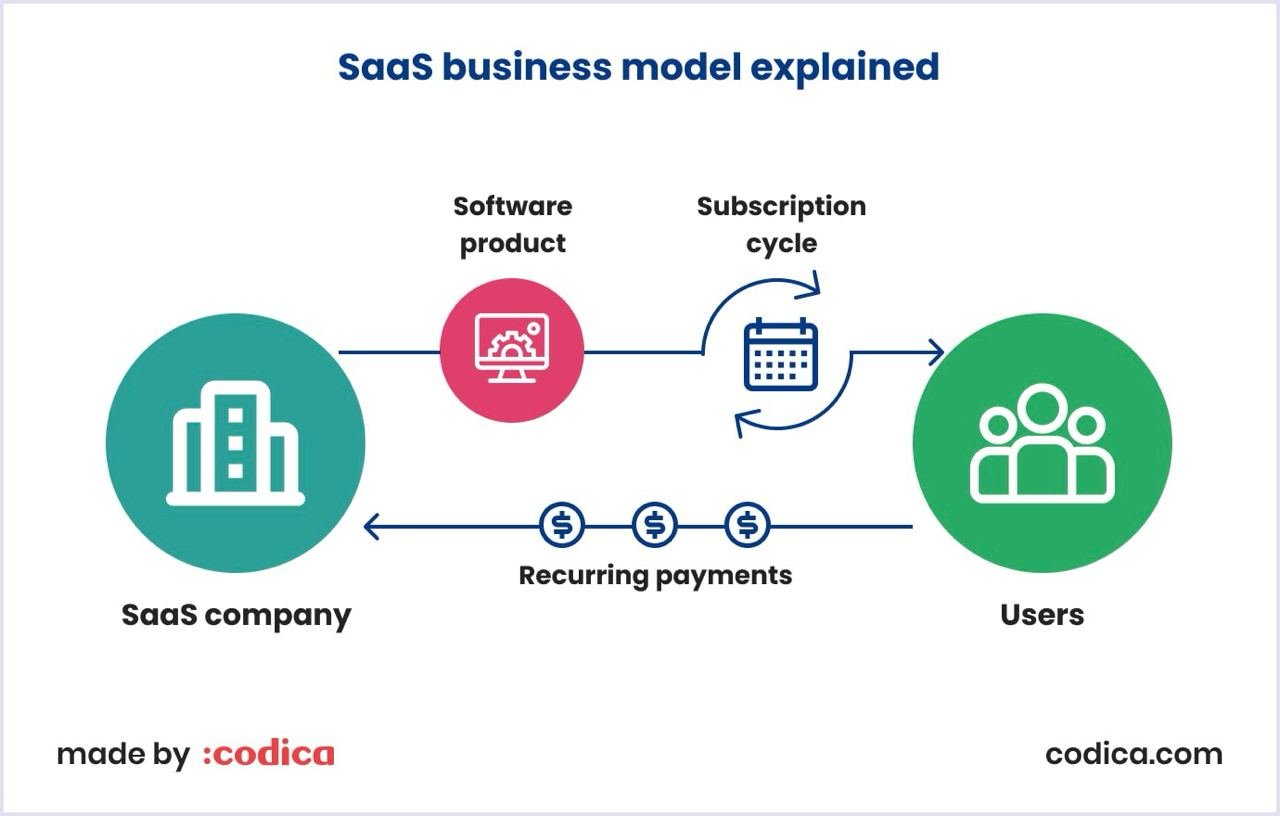
Software-as-a-service (SaaS) has transformed how businesses access and utilize software solutions. Unlike traditional software that requires extensive installations and updates, SaaS offers a web-based alternative that allows users to access applications from anywhere, on any device. This flexibility is beneficial for modern businesses, which need to be agile and responsive to market demands.
Asana, founded in 2008 by Facebook co-founder Dustin Moskovitz and Justin Rosenstein, has harnessed this SaaS model effectively. Their project management tool simplifies collaboration, organization, and task management—a necessary suite of features for teams of all sizes.
Product Simplicity: The Heart of Asana’s Success
At its core, Asana champions product simplicity. But what does this mean? A simple product is not merely about ease of use; it encompasses intuitive design, streamlined features, and an overall user-friendly experience. Asana’s interface allows users to navigate the platform effortlessly, minimizing the learning curve often associated with new software.
- Intuitive User Experience (UX) Design
Asana’s design prioritizes user experience. Programs packed with features can often overwhelm new users. Asana breaks this paradigm by offering a clean, modern interface that guides users through the process of task creation, assignment, and tracking. Users can quickly get started without feeling lost in a sea of confusing options or complex settings.
- Essential Features: Less is More
Asana understands that in a world of overwhelming options, choosing the right features is crucial. The platform focuses on essential functionalities like task assignment, due dates, and project timelines. While it has added robust integrations and capabilities over time, the primary user interface remains focused on the core tasks users need to complete efficiently.
- Templates: Ready-Made Solutions
To further enhance simplicity, Asana offers a plethora of templates for various project types, from marketing campaigns to product launches. These pre-built structures enable users to hit the ground running and minimize the time it takes to set up a new project.
Scalability: Growth Without Compromise
While simplicity is vital, a SaaS product must also scale with growing business needs. Asana has designed its platform to accommodate everything from small startups to large enterprises. Here’s how they’ve approached scalability.
- Flexible Pricing Tiers
Asana offers a variety of pricing plans to meet the diverse needs of its users. From the free version for small teams to the premium and business tiers equipped with advanced features, Asana scales easily to accommodate organizations of any size. This flexibility makes onboarding new users simple; as teams grow, they can seamlessly transition to higher-tier plans without the headache of migrating data or switching to a different platform.
- Robust API Integrations
Asana provides a comprehensive API that allows businesses to integrate the platform with other tools already in use, such as Google Drive, Slack, and Microsoft Teams. This interoperability enhances workflow and enables teams to scale their operations without altering their established processes. Asana’s ability to plug into existing ecosystems promotes adaptability and allows teams to create custom workflows that fit their unique requirements.
- Enterprise Solutions
For large organizations, scaling involves more than just adding new users. It demands compliance, security, and administrative controls. Asana’s enterprise plans include features like advanced reporting, custom branding, and enhanced support, making it a suitable choice for larger businesses. This willingness to cater to enterprises demonstrates Asana’s commitment to scalability without compromising its core values.

- Overcome negative thought patterns, reduce stress, and live a worry-free life
- Overthinking is the biggest cause of unhappiness
- Don't get stuck in a never-ending thought loop
- Stay present and keep your mind off things that don't matter, and never will
- Break free of your self-imposed mental prison
The Balance Between Simplicity and Scalability
So how did Asana achieve the balance between product simplicity and scalability? The answer lies in the company’s commitment to user feedback and continuous improvement.
- Iterative Development Based on User Feedback
Asana actively seeks feedback from its user base and uses this information to iterate and improve its product. By understanding what users need, the company can simplify complex processes without losing essential features or scalability. This iterative approach has helped Asana refine its platform to better meet users’ evolving needs.
- Educating Users on Feature Utilization
Asana emphasizes user education through webinars, tutorials, and community forums. By teaching users how to leverage the platform’s features for both simplicity and scalability, Asana empowers them to utilize the tool to its utmost. This educational focus nurtures a community of informed users who can maximize the platform’s capabilities.
- Case Studies and Success Stories
Asana showcases case studies that highlight best practices and innovative uses of the platform. By sharing how different organizations have successfully implemented the tool, Asana demonstrates its versatility and ability to scale. Users can visualize the potential applications of the tool within their own teams, bridging the gap between simplicity and advanced use cases.
Conclusion: A Roadmap for Future SaaS Success
Asana’s journey as a successful SaaS business model offers valuable lessons for startups and existing companies looking to refine their software offerings. By achieving a delicate balance between product simplicity and scalability, Asana has enabled organizations to enhance productivity without sacrificing usability.
In an age where businesses thrive on efficiency, Asana’s approach demonstrates that it’s possible to keep things simple while developing a platform that grows alongside user needs. Whether you’re a small startup or a large enterprise, the principles of simplicity and scalability showcased by Asana could inform your own business strategies for sustained success.
Key Takeaways
- Prioritize User Experience: A clean, intuitive interface is essential for usability. Simplicity should be at the forefront of product design.
- Focus on Core Features: Start with essential functionalities, and expand only when necessary.
- Offer Flexible Pricing Tiers: Accommodate a diverse user base with tailored pricing options.
- Enhance Scalability Through Integrations: Allow the tool to fit within existing workflows, promoting seamless growth.
- Iterate Based on Feedback: Continuously seek user input to inform product development.
- Educate Users: Help users maximize the platform’s capabilities through comprehensive resources and support.
As Asana continues to grow and adapt, its commitment to simplicity and scalability serves as a valuable example in today’s ever-evolving SaaS landscape.


