
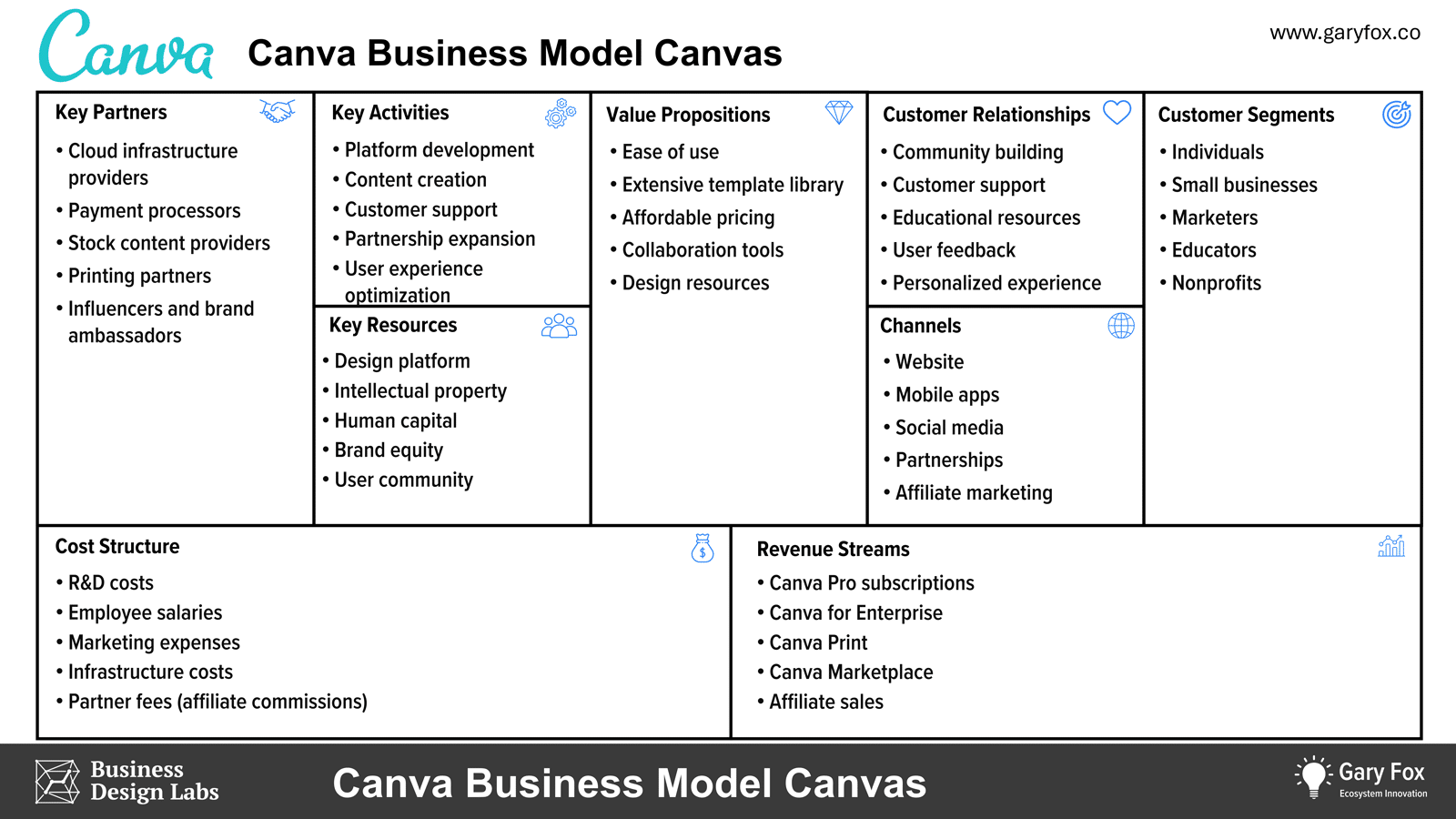
In the realm of modern business, few stories resonate as powerfully as that of Canva. The company, which started as a simple graphic design tool, has transformed not only the way individuals create visual content but also how brands can cultivate a global presence. With its customer-centric Software as a Service (SaaS) business model, Canva has built a brand that speaks to millions across the globe. In this article, we’ll explore the strategies that underpinned Canva’s meteoric rise and examine how their customer-centric approach has created a global community of users and advocates.
The Birth of Canva
Founded in 2013 by Melanie Perkins, Cliff Obrecht, and Cameron Adams, Canva was born from a simple observation: graphic design is often complicated and inaccessible to many people. After initially facing challenges with their early attempts at a design education startup, Perkins and her co-founders quickly shifted gears, pivoting to create a user-friendly design platform that would empower users to create stunning visuals without needing extensive design skills.
Their vision was clear: they wanted to democratize design and make it accessible to everyone, from students and entrepreneurs to large corporations. This focus on inclusivity laid the groundwork for what would become Canva’s core brand identity.
A Customer-Centric SaaS Model
At the heart of Canva’s success lies its customer-centric SaaS business plan. Unlike traditional software models that often rely on lengthy installations and costly licensing fees, Canva operates entirely online, allowing users to access its features from anywhere in the world. This cloud-based architecture not only simplifies the user experience but also encourages collaboration among teams and individuals.
User-Friendly Interface
One of the most significant factors that contributed to Canva’s popularity is its intuitive user interface. Recognizing that many potential users might feel intimidated by traditional design software, Canva was built with simplicity in mind. The drag-and-drop functionality, combined with an extensive library of templates and images, enables users to create professional-looking designs without a steep learning curve.
This ease of use is a defining characteristic of Canva’s customer-centric approach. By prioritizing the user experience, Canva ensures that even those with no prior design experience can create visually appealing content, which is essential in today’s visually driven digital landscape.
Listening to User Feedback
Canva’s commitment to understanding their users doesn’t stop at an intuitive interface; it extends to actively seeking feedback and iterating on their product. The company frequently collects feedback from its vast community of users through surveys, user testing, and direct input via social media channels. This ongoing dialogue not only builds a sense of community among users but also ensures that the platform evolves in response to their needs.
For instance, when users expressed a need for more advanced design features, Canva responded by introducing new capabilities such as animation, collaborative editing, and integration with other productivity tools like Google Drive and Dropbox. By continually refining its offerings based on user input, Canva remains at the forefront of design technology while reinforcing its commitment to customer satisfaction.
Building a Global Community
One of the most remarkable aspects of Canva’s growth is how it has cultivated a loyal global community. Their approach to community-building is comprehensive and multifaceted.
Educational Initiatives
Canva recognizes that empowering users with knowledge is just as important as providing them with tools. The company has invested heavily in educational initiatives, including design courses, tutorials, and webinars. Through Canva Design School, users can access resources that help them improve their design skills, understand branding concepts, and learn how to leverage Canva’s features fully.
Additionally, Canva has developed partnerships with educational institutions, enabling students to access the platform and develop their design capabilities from an early age. These initiatives not only enhance user engagement but also foster brand loyalty among users who appreciate the value added to their creative journey.
Social Media Engagement
Social media plays a pivotal role in Canva’s strategy to build community. The company has a strong presence across multiple platforms, where it engages users through interactive content, challenges, and design showcases. By sharing user-generated content, Canva celebrates the creativity of its community, motivating others to share their projects and experiences.
With a focus on fostering genuine connections, Canva utilizes social media to create a dialogue with users, sharing design tips, tricks, and inspiration. This strategy not only enhances brand visibility but also encourages a sense of belonging within the Canva community.

- Overcome negative thought patterns, reduce stress, and live a worry-free life
- Overthinking is the biggest cause of unhappiness
- Don't get stuck in a never-ending thought loop
- Stay present and keep your mind off things that don't matter, and never will
- Break free of your self-imposed mental prison
Diverse Language Support
Understanding that creativity knows no borders, Canva has taken steps to localize its platform for users around the world. Currently available in over 100 languages, the platform has opened its doors to non-English speaking users, making it a truly global tool. This commitment to inclusivity further solidifies Canva’s brand as one that values diversity and accessibility.
Monetization Strategies
While Canva’s free version offers substantial value, the company wisely created a tiered pricing model that incentivizes users to upgrade. The Canva Pro and Canva for Enterprise plans provide additional features, such as premium templates, advanced branding tools, and analytics, catering to businesses and professional users who seek more robust capabilities.
However, the key to Canva’s monetization strategy lies in ensuring that the free version remains highly functional. By providing an exceptional free product that meets users’ needs, Canva builds trust and encourages users to consider upgrading when they require more advanced features.
Innovation in Design Technology
As technology continues to evolve, so too does Canva’s offering. The company has embraced innovative technologies like artificial intelligence (AI) to enhance user experience. Features such as Magic Resize, which automatically resizes designs for different platforms, and text-to-image generation tools leverage AI to simplify the design process, allowing users to focus more on creativity rather than technicalities.
Canva’s commitment to innovation reflects its customer-centric ethos. By continuously integrating new technologies that improve usability and expand design capabilities, Canva not only keeps existing users engaged but also attracts new users eager to explore the future of design.
The Importance of Brand Identity
From its inception, Canva has placed significant emphasis on building a strong brand identity. The company has developed a recognizable visual presence that aligns with its mission: to make design accessible to everyone. This identity is reinforced through cohesive branding across all touchpoints—website, social media, marketing materials, and user resources.
Moreover, Canva’s brand is built on values such as creativity, inclusivity, and user empowerment. These values resonate strongly with users, fostering a sense of connection that goes beyond merely using a software platform. Canva has managed to create a brand community that users are proud to be a part of, leading to organic word-of-mouth marketing as satisfied users share their experiences with friends, family, and colleagues.
The Road Ahead: Future Prospects for Canva
As Canva continues to grow and evolve, the company remains committed to its foundational principles. The focus on user experience, community engagement, and innovative technology will undoubtedly propel Canva into the future. With ongoing investments in product development and user education, Canva is well-positioned to maintain its status as a leader in the design technology space.
Moreover, the rise of remote work and the increasing demand for digital communication tools indicate that the need for accessible design solutions will only continue to grow. Canva’s strategic positioning and customer-centric approach ensure that it remains a vital player in the marketplace, ready to adapt to changing user needs and industry trends.
Conclusion
Canva’s incredible journey from a simple design tool to a global brand exemplifies the power of a customer-centric SaaS business model. By prioritizing user experience, fostering a supportive community, and embracing innovation, Canva has successfully built a brand that resonates with millions of people worldwide. The company serves as a shining example for others in the tech industry, proving that understanding and serving your audience is the key to crafting a successful brand in today’s competitive landscape.
As we look ahead, the story of Canva is still being written. The ethos of democratizing design continues to guide the company’s journey, ensuring that anyone with a creative spark has the tools and resources they need to bring their vision to life. In a world where design plays an ever-increasing role in communication and branding, Canva remains a powerful ally for individuals and businesses alike, inspiring creativity while nurturing a global community of design enthusiasts.


