
In the fast-paced world of software as a service (SaaS) startups, the ability to adapt and evolve is not just advantageous—it’s essential. For many budding entrepreneurs, the journey begins with a brilliant idea, followed closely by the daunting task of turning that idea into a viable business plan. In this article, we explore how continuous iteration can transform a SaaS startup’s business plan from a simple proposal into a dynamic and effective growth strategy that meets market demands. Join us on this journey as we uncover the power of iteration and the practical steps you can take to apply it to your own startup.
Understanding Continuous Iteration
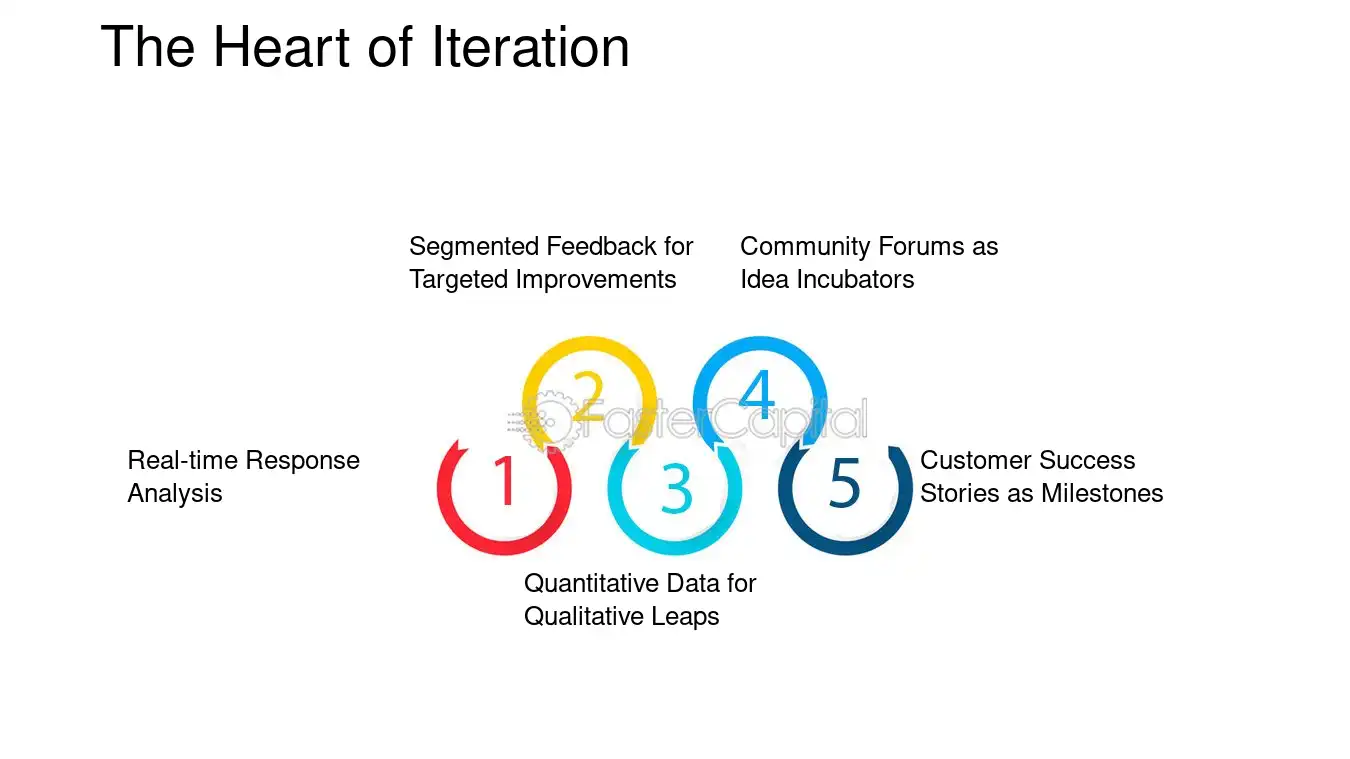
At the heart of successful SaaS startups lies the concept of continuous iteration. This approach revolves around the idea that businesses should not settle for a static model or a one-and-done strategy. Instead, startups should be willing to embrace a cycle of constant feedback, learning, and adjustment. This agile mindset promotes responsiveness to customer needs, technological advancements, and competitive pressures.
What Does Continuous Iteration Include?
- Feedback Loops: Collecting data and feedback from users or stakeholders.
- Periodic Assessments: Regularly reviewing business objectives and strategies to ensure effectiveness.
- Rapid Prototyping: Creating quick models of products to test functionality and discover possible improvements.
- Flexibility in Decision-Making: Being open to pivoting based on the latest insights and analysis.
The Importance of Customer-Centricity
For many SaaS startups, the initial business plan is built on assumptions about what the market wants. However, these assumptions often need to be tested and validated. Continuous iteration encourages an emphasis on customer-centricity—a concept that places the customer at the center of every decision made by the startup.
What is Customer-Centricity?
Customer-centricity involves developing products and services based on direct customer feedback, preferences, and pain points rather than solely on the ideas of the founding team.
By prioritizing customer input and experiences, startups can refine their offerings to better serve their target audience. This, in turn, can lead to higher customer satisfaction, loyalty, and ultimately, longer life span for the business.
The Iterative Process: Steps to Transform Your Startup
Let’s dive into the nuts and bolts of how to implement a continuous iteration process effectively. Whether you’re starting from scratch or seeking to breathe new life into an existing business plan, these steps will guide you.
1. Identify Your Target Market
Before any product development can commence, it’s essential to define your target audience. You need to know who they are, what they need, and how much they would be willing to pay for your service.
Actionable Tip: Use surveys, customer interviews, and market research to gather demographic and psychographic data about potential users.
2. Build a Minimum Viable Product (MVP)
An MVP is the most basic version of your product that you can release to the market. It should include only the core features necessary to solve a specific problem for your users.
Benefits of an MVP:
– Reduces time to market.
– Allows for early user feedback.
– Minimizes financial risk.
3. Launch and Gather Feedback
Once your MVP is live, it’s time to listen. Utilize customer interviews, surveys, and analytics tools to gather data on user interaction with your product.
Key Metrics to Monitor:
– User engagement: How often do users interact with your service?
– Customer satisfaction: Are users happy with their experience?
– Retention rates: How many customers continue to use your service over time?
4. Analyze and Iterate
After collecting feedback, it’s time to review the data and look for patterns. Identify areas for improvement and suggest potential enhancements. This phase is where the iterative process truly shines.

- Overcome negative thought patterns, reduce stress, and live a worry-free life
- Overthinking is the biggest cause of unhappiness
- Don't get stuck in a never-ending thought loop
- Stay present and keep your mind off things that don't matter, and never will
- Break free of your self-imposed mental prison
Actionable Tip: Organize brainstorming sessions with your team to discuss findings and insights.
5. Implement Changes and Re-Test
Once improvements are identified, implement them as quickly as possible. After making changes, release an updated version of your product to the same group of customers for further testing.
Outcome: You can either confirm your improvements made a positive impact or realize further adjustments are needed.
6. Document Changes and Insights
As you continue to iterate, document each round of feedback, decisions made, and the outcomes. This documentation creates a roadmap of your startup’s evolution and can be invaluable for future decisions.
7. Scale
Once you have refined your offerings and established a solid user base, it’s time to scale your business. Use the insights gathered during the iterations to inform your marketing strategy, add new features, or expand into new markets.
Case Study: A SaaS Startup’s Success through Iteration
To illustrate the impact of continuous iteration, let’s look at a successful SaaS startup: DocuDash, a platform designed for fast and secure document sharing.
Initial Launch: When DocuDash first launched, their business plan revolved around providing a tool primarily aimed at small businesses looking for efficient document management solutions. However, the founders quickly realized that they needed to reassess their target audience.
User Feedback: After the MVP launch, user feedback revealed that while small businesses appreciated the service, larger corporations were looking for additional security features and integrations with existing systems.
Iterative Changes: Based on this feedback, the DocuDash team updated their roadmap to include:
– Advanced encryption options.
– Integration capabilities with popular enterprise software like Slack and Salesforce.
– Enhanced user verification processes.
Results: The changes led to a significant increase in user acquisition and revenues as they tap into the enterprise market. Their continuous iteration allowed them to adapt successfully and meet the growing demands of their users.
Common Pitfalls to Avoid
While the iterative process is incredibly valuable, it’s essential to watch out for common pitfalls:
- Overcomplicating Changes: Sometimes, simple changes can lead to significant improvements. Avoid the urge to launch major updates with every round of feedback.
- Ignoring Data: Customer feedback is invaluable, but be sure to rely on solid data analysis rather than subjective opinions.
- Avoiding Failure: Understand that not every iteration will be successful, and that’s okay. Learn from failures and use them to fuel future successes.
Conclusion
Transforming a business plan through continuous iteration is a powerful approach that allows SaaS startups to remain agile in a constantly changing market. By incorporating customer feedback, evaluating responses, and making necessary adjustments, a startup can develop a product that resonates with its users and stands the test of time.
Incorporating the principles of continuous iteration doesn’t only lead to a better product; it fosters a culture of learning and resilience within your startup. Embrace the iterative process, listen to your customers, and prepare to pivot as necessary. The future of your SaaS startup may depend on how well you adapt to the ever-evolving technological landscape and customer needs.
So, as you navigate your startup journey, remember: iteration is not just a process; it’s a mindset. And with the right approach, your SaaS startup could very well follow in the footsteps of those who have found success through the power of continuous iteration. Are you ready to take the leap? Your next big update could be just around the corner!


