
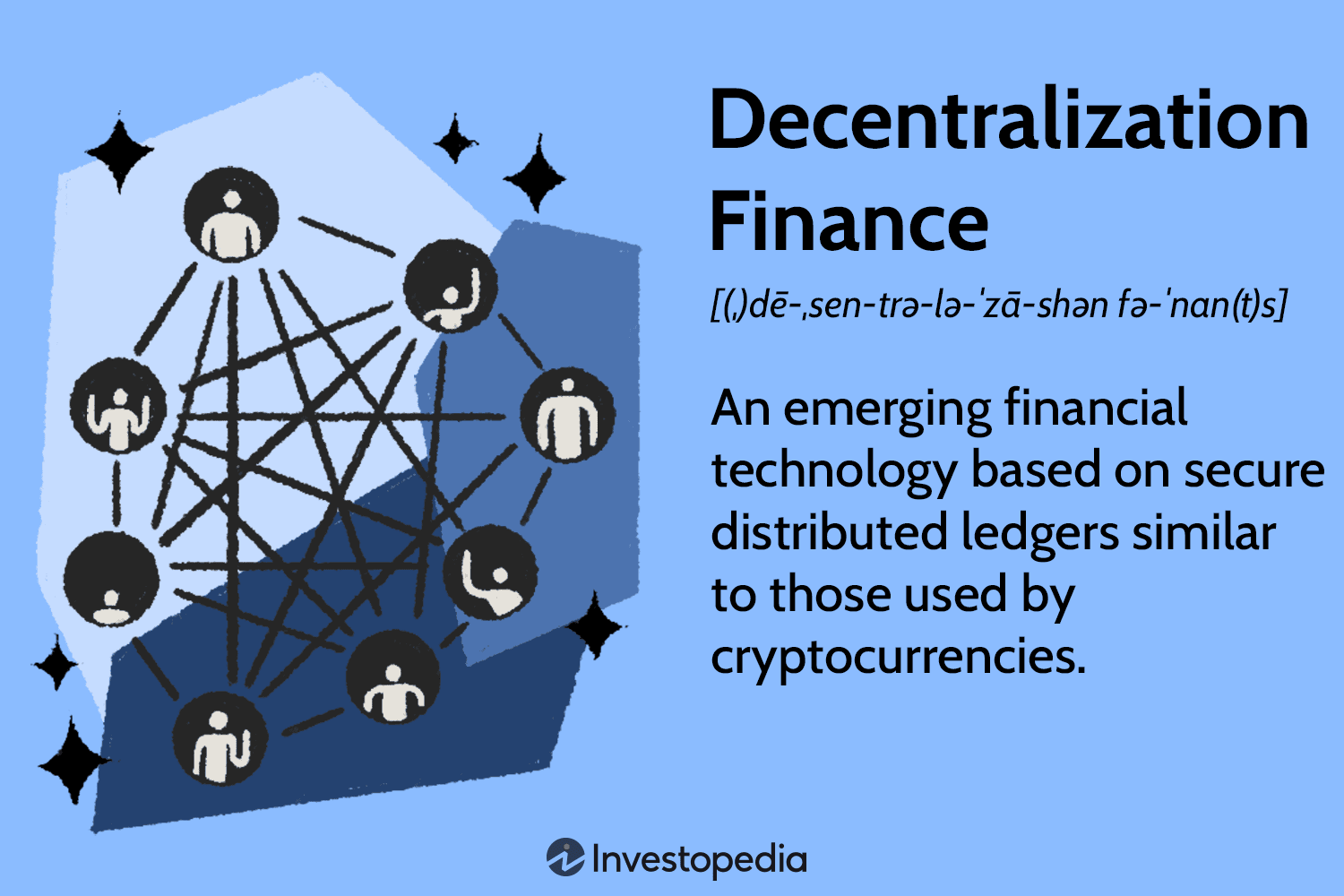
In recent years, the world of finance has undergone a transformative shift, thanks particularly to the emergence of Decentralized Finance (DeFi). This innovative sector leverages blockchain technology to reimagine traditional financial systems, democratizing access to investments and creating new avenues for wealth generation. But how is DeFi really reshaping investments? In this article, we will delve into what DeFi is, how it works, the potential risks and rewards it presents, and its implications for the future of investing.
Understanding Decentralized Finance (DeFi)
Before we explore how DeFi is changing the investment landscape, it’s essential to grasp what DeFi entails. At its core, DeFi refers to a movement that aims to recreate and improve upon traditional financial services by employing blockchain technology. Unlike traditional finance, which relies on centralized institutions like banks and brokers, DeFi operates on a decentralized framework. This means that financial transactions can occur directly between users with the help of smart contracts—self-executing contracts with the terms of the agreement directly written into lines of code.
Key Features of DeFi
-
Transparency: The open-source nature of many DeFi protocols allows anyone to inspect the code and understand how it works, fostering an environment of trust.
-
Accessibility: DeFi platforms are accessible to anyone with an internet connection, breaking down the barriers that have traditionally kept individuals from participating in the financial system.
-
Interoperability: Many DeFi applications can interact with one another, allowing users to leverage multiple services simultaneously.
-
Programmability: Smart contracts enable the automation of complex financial transactions without the need for intermediaries.
Popular DeFi Applications
Several applications exemplify the principles behind DeFi, including:
-
Decentralized Exchanges (DEXs): Platforms like Uniswap and SushiSwap allow users to trade cryptocurrencies directly without the need for a central authority.
-
Lending Protocols: Projects like Aave and Compound enable users to lend their assets for interest or borrow against their cryptocurrencies.
-
Yield Farming: By providing liquidity to DeFi protocols, users can earn rewards and interest on their investments.
-
Stablecoins: Crypto assets pegged to traditional currencies, such as USDC and DAI, play a vital role in alleviating the volatility often associated with cryptocurrencies.
How DeFi Is Reshaping Investments
With a clearer understanding of DeFi, we can now explore how it is reshaping the investment landscape.
1. Lower Barriers to Entry
Traditionally, investing often requires a significant capital outlay and access to specific financial instruments, which can be exclusive to high-net-worth individuals or institutional investors. DeFi flips this paradigm. With minimal requirements, anyone can invest in various digital assets—from cryptocurrencies to tokenized versions of traditional financial instruments—using just a smartphone and an internet connection. This unprecedented accessibility allows a broader audience to participate in investment opportunities that were once out of reach.
2. Enhanced Liquidity
One of the standout features of DeFi is its capacity for providing liquidity. Liquidity refers to how quickly an asset can be bought or sold without significantly affecting its price. In traditional finance, liquidity can be a significant issue, particularly during market fluctuations or crises. However, DeFi platforms often operate with high liquidity thanks to automated market-making algorithms, allowing investors to enter and exit positions with ease. This fluidity enhances market dynamics and encourages more active trading, enabling users to capitalize on investments quickly.
3. Programmable Financial Products
With traditional finance, creating tailored financial products often requires extensive legal work, time, and bureaucracy. In the DeFi space, smart contracts enable the creation of customizable financial solutions with unprecedented flexibility. Investors can develop their own unique investment strategies by coding specific parameters directly into smart contracts. This programmability is revolutionizing the way financial derivatives, insurance, and fundraising endeavors are conducted.
4. Earning Potential Through Yield Farming
One compelling aspect of DeFi that has attracted investor attention is yield farming. This practice allows users to earn returns by providing liquidity to lending protocols, liquidity pools, or decentralized exchanges. In some cases, yield farmers can earn double or even triple-digit annual percentage yields (APYs). While these returns can be enticing, it’s essential for investors to understand the methodologies behind risk management, as yields are susceptible to market changes and platform-specific vulnerabilities.

- Overcome negative thought patterns, reduce stress, and live a worry-free life
- Overthinking is the biggest cause of unhappiness
- Don't get stuck in a never-ending thought loop
- Stay present and keep your mind off things that don't matter, and never will
- Break free of your self-imposed mental prison
5. Decentralized and Global Nature
DeFi operates on a global scale, unconfined by geographical boundaries or institutional regulations. Investors can access financial products from around the world, breaking down goliath banking monopolies and enabling them to utilize services shaped by regional or local needs. This democratization of finance allows users from developing countries to access essential financial instruments like savings accounts or loans for entrepreneurial ventures, often at much lower transaction costs than traditional banks.
6. Tokenization of Assets
Tokenization refers to the ability to transform physical assets—like real estate or art—into digital tokens that can be traded on blockchain platforms. This shift allows for fractional ownership, enabling investors to purchase portions of high-value assets that were previously inaccessible. Tokenization offers more liquidity to traditionally illiquid markets, allowing for quicker transactions and greater investment diversification.
7. Diversification of Investment Opportunities
With a wealth of DeFi projects continuously emerging, investors are exposed to a multitude of new opportunities across various sectors. Rather than solely investing in stocks or bonds, individuals can explore cryptocurrencies, stablecoins, NFTs, and yield-bearing liquidity pools. This diversification can strengthen investor portfolios while encouraging innovation and competition within the broader financial ecosystem.
Understanding the Risks of DeFi Investments
While the advantages of DeFi are numerous, potential investors must approach with caution, as risks also abound. Here are some key risks to consider:
1. Market Volatility
The cryptocurrency market is notoriously volatile, and DeFi is no exception. Sudden price shifts can translate into substantial gains or losses for investors. With high rewards come equally high risks.
2. Smart Contract Vulnerabilities
Despite their transparency and programmability, smart contracts can still possess coding errors or vulnerabilities that malicious actors may exploit. Investors should carefully audit protocols before engaging with them to mitigate potential losses.
3. Regulatory Risks
As DeFi continues to gain traction, regulatory bodies in various countries might seek to impose regulations, potentially altering the landscape. Uncertainty surrounding future regulations can create risks for investors and platforms alike.
4. Lack of Consumer Protections
Unlike traditional finance, DeFi lacks established consumer protection measures. There is no government insurance or safety nets, so investors must take individual responsibility for their assets.
The Future of DeFi and Investments
While the implications of DeFi are far-reaching, the future holds even more promise. Increased interoperability between platforms and protocols can create a more seamless user experience, further driving adoption. Layer 2 solutions are likely to mitigate congestion and scaling issues, making transactions faster and cheaper for users.
Moreover, as the technology matures, we expect enhanced regulations that could lead to a safer and more trustworthy environment. This will likely attract institutional investment, further legitimizing DeFi as a shared cornerstone of a rapidly evolving financial landscape.
Conclusion
In conclusion, Decentralized Finance (DeFi) is undeniably reshaping the way we think about investments today. By democratizing access, enhancing liquidity, providing programmable financial products, and introducing new opportunities for earners and investors alike, DeFi is leading a revolution in the finance sector. However, prospective investors must weigh the potential rewards against the inherent risks in this rapidly-evolving space. As the DeFi ecosystem continues to mature, staying informed and adapting to developments will be crucial for anyone looking to navigate the brave new world of decentralized finance.
So, whether you’re an established investor or just starting, it’s time to explore how DeFi can reshape your investment journey. Dive in, research your options, and prepare to be part of a financial evolution that promises to change the world as we know it.
In this article, we explored how DeFi is changing the investment landscape, the benefits it offers, and the considerations you need to ponder. With a focus on accessibility, innovation, and accountability, Decentralized Finance presents a compelling frontier for the modern investor. Embrace the changes and consider how they can contribute to your financial aspirations.


