
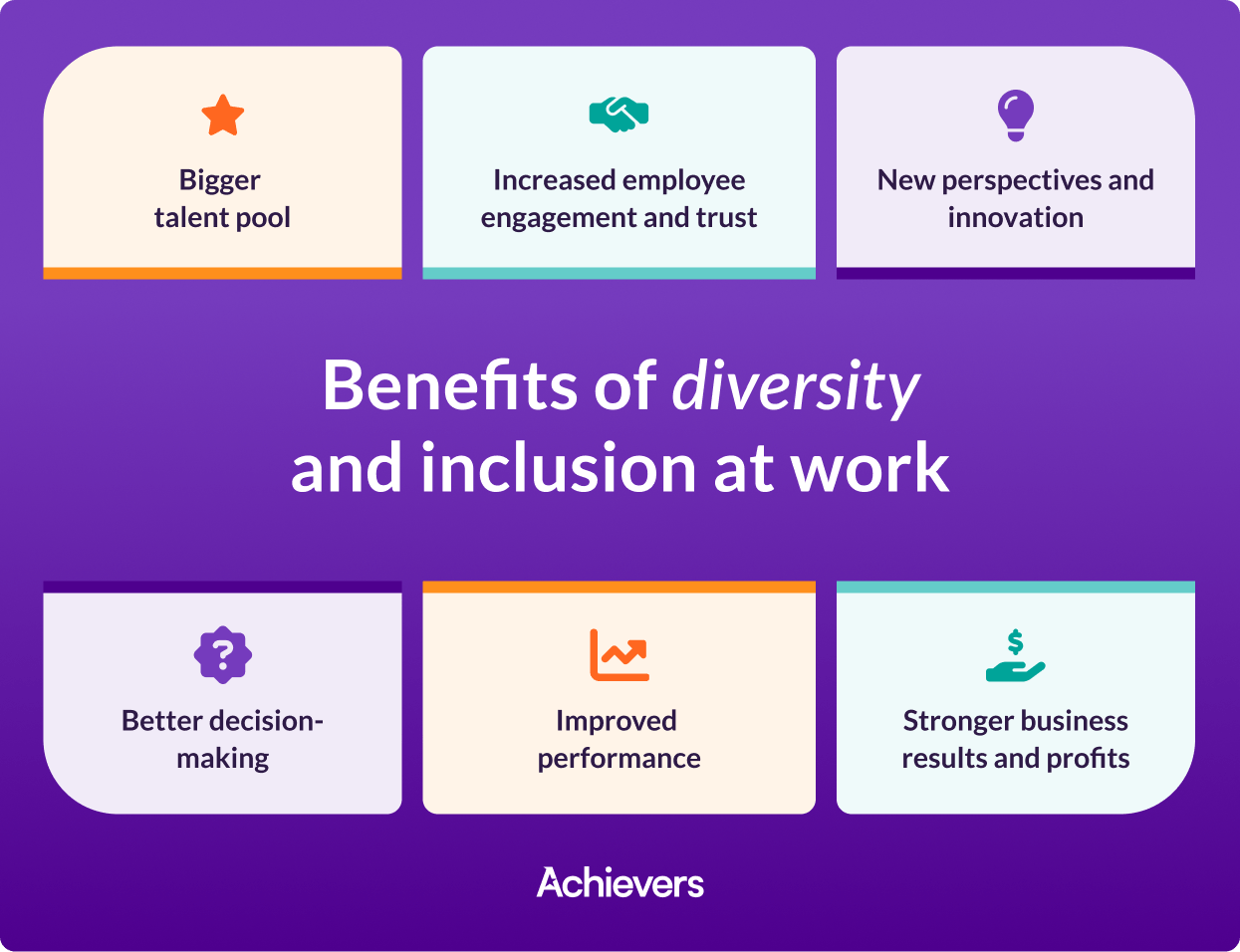
In today’s globally interconnected world, the importance of diversity and inclusion in the workplace cannot be overstated. Organizations are recognizing that fostering a culture of diversity and inclusion isn’t just a moral imperative; it’s also a critical business strategy that drives success. But how do diversity and inclusion impact business success? In this article, we’ll delve into the benefits and challenges of embracing diversity and inclusion in the workplace, highlighting key statistics, real-world examples, and strategies for implementation.
Understanding Diversity and Inclusion
Before discovering their business impact, it is essential to define what diversity and inclusion mean. Diversity refers to the presence of differences within a given setting, encompassing various dimensions such as race, gender, ethnicity, age, sexual orientation, disability, and socio-economic background. Inclusion, on the other hand, is the practice of creating environments in which any individual or group can feel welcomed, respected, supported, and valued.
For companies aiming for success, balancing both diversity and inclusion is vital. A diverse workforce brings a range of perspectives—an essential element for innovation and problem-solving. When coupled with an inclusive culture, employees feel valued and engaged, which directly influences their performance and loyalty.
Why Diversity and Inclusion Matter in Business
- Enhanced Innovation and Creativity
Diverse teams are more innovative. According to a study conducted by McKinsey, companies in the top quartile for ethnic and racial diversity are 35% more likely to outperform their competitors. This is largely because diverse teams bring a variety of perspectives and experiences to the table, leading to more creative solutions and innovative ideas. Businesses like Google and Apple recognize the power of diverse thinking, which has helped them develop groundbreaking products that resonate with global audiences.
- Improved Financial Performance
Beyond innovation, diversity has a direct correlation with financial performance. The same McKinsey report found that companies with higher diversity levels tend to financially outperform their less diverse competitors. A Boston Consulting Group study revealed that companies with diverse management teams had 19% higher revenue due to innovation. This suggests that businesses that prioritize diversity and inclusion can significantly enhance their bottom line.
- Better Employee Engagement and Retention
Companies that prioritize inclusion witness higher employee engagement. When employees feel respected and valued, they are more likely to be productive and display loyalty toward their organization. A Deloitte study shows that inclusive companies have 2.3 times higher cash flow per employee over a three-year period. Moreover, a culture of inclusion can lead to reduced turnover rates, saving companies the costs associated with recruitment and training.
- Access to a Broader Talent Pool
Incorporating diversity and inclusion in hiring practices ensures that businesses tap into a broader talent pool. This is not just about adhering to quotas; it’s about recognizing the competitive advantage brought by utilizing diverse perspectives. A wider talent pool leads to finding the most qualified candidates, helping businesses build teams capable of functioning in an increasingly diverse marketplace.
- Enhanced Company Reputation and Brand Loyalty
Today’s consumers are more informed and conscientious about the brands they support. They gravitate toward companies that prioritize diversity and inclusion, which can be a significant contributor to brand loyalty. Companies that actively promote these values attract not only customers but also top talent who wish to work for socially responsible brands.
Real-World Examples of Successful Diversity and Inclusion Strategies
1. Microsoft
Microsoft has made significant strides in diversity and inclusion efforts. Their diversity initiative started with hiring practices but has expanded to encompass employee resource groups, extensive training programs, and partnerships with diverse organizations. The company’s commitment is evident in its reporting: Microsoft provides transparency around its diversity metrics, allowing stakeholders to see progress and areas for improvement.
2. Starbucks
Starbucks has long prioritized diversity in its hiring practices and corporate culture. The company’s commitment was put to the test in 2018 when two Black men were arrested in one of its Philadelphia stores. In response, Starbucks closed over 8,000 stores for a day to conduct anti-bias training for nearly 175,000 employees. This proactive approach demonstrated the company’s commitment to fostering a truly inclusive environment, reinforcing its brand reputation as a community-centric company.
3. Salesforce
Salesforce’s commitment to diversity and inclusion extends beyond its workforce. The company actively seeks to put equality at the forefront of its operations. It has implemented innovative policies, such as equal pay audits to address wage disparities among employees. Furthermore, Salesforce provides financial resources to support initiatives that promote diversity in tech, reflecting how a strong corporate commitment can positively impact community development.

- Overcome negative thought patterns, reduce stress, and live a worry-free life
- Overthinking is the biggest cause of unhappiness
- Don't get stuck in a never-ending thought loop
- Stay present and keep your mind off things that don't matter, and never will
- Break free of your self-imposed mental prison
Challenges to Implementing Diversity and Inclusion
While the benefits of diversity and inclusion are compelling, many businesses face challenges in implementing effective strategies.
1. Resistance to Change
One of the most significant obstacles is the resistance to change within an organization. Employees may feel threatened by diversity initiatives, perceiving them as a threat to their job security or a challenge to their established way of working. It is vital for businesses to communicate the positive aspects of diversity and inclusion, emphasizing how such initiatives can benefit everyone.
2. Tokenism
Another challenge organizations encounter is tokenism. Simply increasing diversity numbers without fostering an inclusive environment can lead to superficial changes. This approach may backfire, ultimately harming employee morale and engagement. It’s essential to ensure that new hires from diverse backgrounds feel integrated and valued beyond their demographic characteristics.
3. Lack of Measurement
Many companies struggle to measure the effectiveness of diversity and inclusion initiatives. Without appropriate metrics, it becomes difficult to assess progress and areas needing improvement. Establishing clear, quantifiable goals related to diversity and inclusion can help organizations track their success and make necessary adjustments over time.
Strategies to Promote Diversity and Inclusion
Embracing diversity and fostering a culture of inclusion requires both commitment and strategy. Here are some effective strategies businesses can implement:
1. Leadership Commitment
Diversity and inclusion must begin at the top. Leaders must demonstrate unwavering commitment to fostering an inclusive culture. This can involve public statements, participation in training, and consistent communication about the value of diversity in the workplace.
2. Employee Training and Development
Regular training on unconscious bias, diversity, and inclusion practices is vital. This helps employees understand the importance of these values and provides them with the tools to build a more inclusive workplace.
3. Diverse Hiring Practices
Businesses should adopt hiring practices that actively seek diverse candidates. This involves reviewing job descriptions to eliminate biased language, utilizing diverse recruiting platforms, and ensuring that hiring panels are diverse.
4. Establish Employee Resource Groups
Creating employee resource groups (ERGs) can enhance inclusivity within the organization. ERGs provide a space for underrepresented employees to connect, share experiences, and advocate for changes that improve workplace culture.
5. Regularly Measure and Adjust Policies
Conducting regular surveys to gather feedback from employees about diversity and inclusion efforts is crucial. Organizations should assess their policies constantly, ensuring they meet the evolving needs of their diverse workforce.
The Future of Business Success through Diversity and Inclusion
As we move forward in an ever-diversifying world, the correlation between diversity, inclusion, and business success will only deepen. Emerging evidence suggests that companies focusing on these factors are better positioned to navigate challenges, seize opportunities, and drive innovation.
Moreover, customers and employees will continue to prioritize businesses that reflect their values. Organizations that embrace diversity and inclusion will not only transform their workplaces but also positively impact society as a whole.
Conclusion
In conclusion, the question, “How do diversity and inclusion impact business success?” is answered by examining the myriad benefits they bring—enhanced innovation, improved financial performance, better employee engagement, broadening talent pools, and elevated brand reputation. As companies continue to navigate the complexities of today’s global economy, those who prioritize diversity and inclusion are poised for lasting success. The time for change is now, and by taking deliberate, meaningful actions, businesses can build a brighter, more inclusive future for everyone involved.
Whether you’re a small startup or a multinational corporation, the conversation around diversity and inclusion is not just about meeting a standard; it’s about reaping the transformative benefits that such an engaged and varied workforce can provide. Start today by fostering a culture that celebrates diversity and actively pursues inclusion — the future of your business depends on it!


