
The Fax: A Revolving Technology in a Digital Age
In this article, we’ll delve into the world of fax machines, exploring their history, functionality, and relevance in today’s digital landscape.
What is a Fax?
A fax, short for facsimile, is an electronic device that transmits images and texts over phone lines. It was invented in 1843 by Alexander Bain, a Scottish scientist, and has undergone significant evolution since its inception.
How Does a Fax Work?
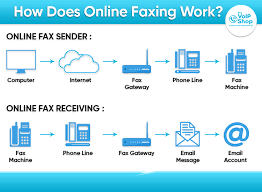
The process of sending a fax involves three main components:
- Scanning: The original document is scanned into an electronic format.
- Transmission: The digital image is transmitted over phone lines to the recipient’s fax machine.
- Printing: The received digital image is printed on paper.
Types of Fax Machines
There are two primary types of fax machines:
- Stand-alone Fax Machines: These are dedicated devices that only perform fax functions.
- Multifunctional Printers (MFPs): These devices combine printing, scanning, and fax capabilities.
History of Fax Technology
The first fax machine was invented in 1843 by Alexander Bain. Over the years, the technology has evolved with contributions from other inventors like Giovanni Tollgates’ teleautografo in 1861. The modern fax machine emerged in the 1960s and 1970s, combining electronics and scanning technology.
Evolution of Fax Technology
The 1980s and 1990s saw the widespread adoption of fax machines, with an estimated 100 million devices in use worldwide. However, with the advent of email and cloud storage, the fax has largely become a relic of the past.
How Does a Fax Printer Work?
Some printers integrate fax capabilities, making it possible to send faxes directly from the printer. These multifunctional devices combine printing, scanning, and fax functions, using modem technology to transmit digital images over phone lines.
Modern Fax Technology
Many modern fax machines utilize internet-based technologies like eFax, which eliminate the need for traditional phone lines. This convenience has made faxing more accessible and comfortable for users who require both peripheral devices but don’t want to clutter their spaces with multiple devices.
The Future of Fax Technology
While the fax may seem outdated in today’s digital age, it still maintains a niche relevance in certain industries like healthcare and law, where security and compliance are paramount. As technology continues to evolve, we can expect to see new innovations in faxing that will maintain its relevance in specific contexts.
Conclusion
In conclusion, the fax machine has come a long way since its inception in 1843. From its early beginnings as a revolutionary communication tool to its current status as a relic of the past, the fax has played an important role in shaping modern technology.
Frequently Asked Questions (FAQs)
- Q: What is a Fax Machine?
A: A fax machine is an electronic device that transmits images and texts over phone lines. - Q: How Does a Fax Work?
A: The process involves scanning, transmission, and printing of digital images. - Q: What Are The Primary Types of Fax Machines?
A: Stand-alone fax machines and multifunctional printers (MFPs). - Q: Why is The Fax Still Relevant Today?
A: Despite being largely replaced by digital technologies, the fax remains useful in specific industries like healthcare and law. - Q: How Does a Fax Printer Work?
A: Fax-enabled printers combine printing, scanning, and fax capabilities using modem technology. - Q: What is Efax?
A: EFax is an internet-based fax service that eliminates the need for traditional phone lines. - Q: Can I Use my Smartphone to Send Faxes?
A: Yes, many smartphones offer built-in fax capabilities or apps that allow users to send faxes directly from their devices. - Q: What is The Future of Fax Technology?
A: As technology continues to evolve, we can expect new innovations in faxing that will maintain its relevance in specific contexts.


