
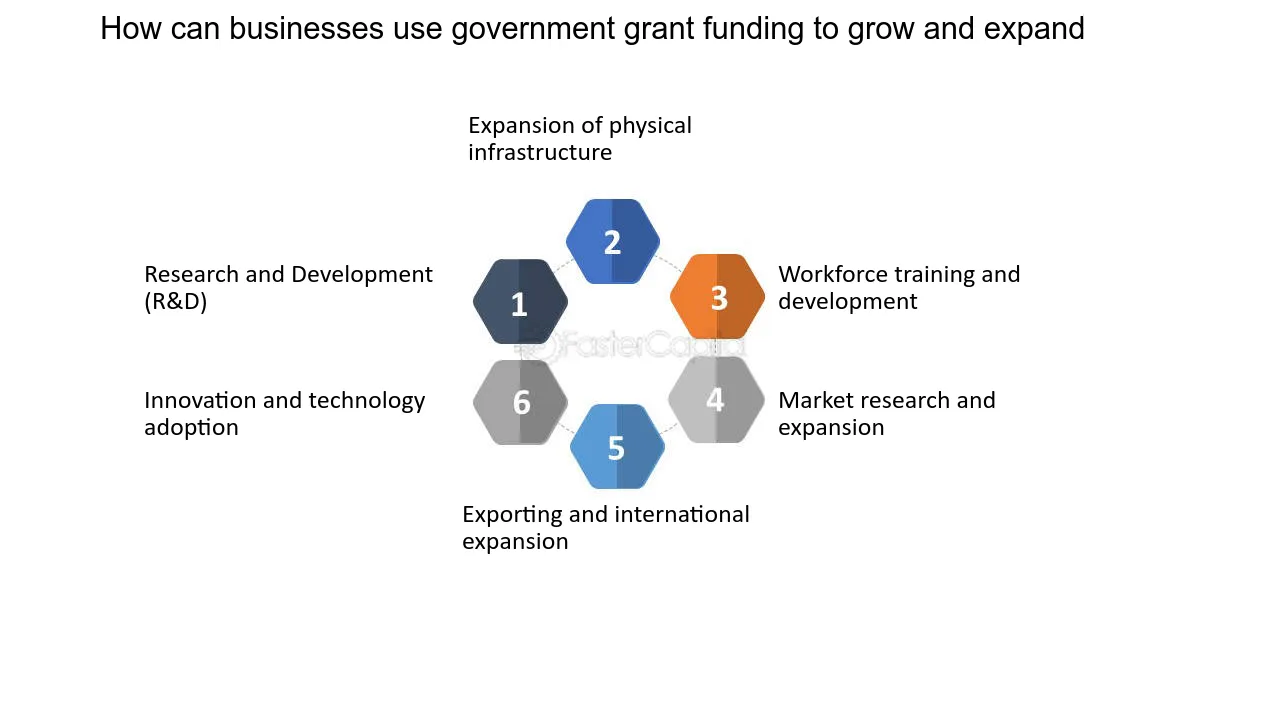
In today’s competitive landscape, nurturing business growth can often feel like an uphill battle. Many entrepreneurs are on the lookout for innovative ways to boost their enterprises without taking on additional debt. One often-overlooked avenue is the realm of government grants. These funding opportunities can provide substantial financial support, enabling businesses to expand, innovate, and reach new markets. In this article, we’ll delve into how government grants can support your business growth and provide you with actionable insights to harness this resource effectively.
What Are Government Grants?
Government grants are funds provided by local, state, or federal governments to support various programs, initiatives, and projects. Unlike traditional loans, grants do not require repayment, making them an attractive option for business owners. These funds may be allocated for a wide range of purposes, including research and development, employee training, equipment upgrading, marketing initiatives, and environmental sustainability projects.
Types of Government Grants Available for Businesses
Understanding the variety of grants available can help you select the right one for your business needs. Here are some common types of government grants that entrepreneurs can explore:
1. Small Business Innovation Research (SBIR) Grants
These grants are awarded to small businesses engaged in research and development with the potential for commercialization. The SBIR program encourages innovation and fosters technological advancements. Winning an SBIR grant can provide not only funding but also credibility in your field.
2. Small Business Technology Transfer (STTR) Grants
Similar to the SBIR program, STTR grants focus on research and development, but they require small businesses to collaborate with research institutions. This type of grant can be particularly beneficial for businesses aiming to enhance their technological offerings.
3. Economic Development Grants
Local and state governments often provide grants aimed at stimulating economic growth in specific regions. These grants typically support businesses that create jobs or contribute to community development.
4. Export and Trade Grants
For businesses looking to expand their marketplace beyond national borders, export grants can cover costs associated with entering foreign markets. This includes funding for marketing strategies or participating in international trade shows.
5. Green Initiative Grants
With the increasing emphasis on sustainability, many governments offer grants to businesses that focus on environmentally friendly practices. If your business is committed to reducing its carbon footprint or innovating with sustainable technologies, this grant type may be suitable.
6. Disaster Assistance Grants
In the wake of natural disasters, federal and state governments often provide grants to help businesses recover. These grants can assist with repairs, inventory restocking, and other expenses related to rebuilding efforts.
How to Find Government Grants for Your Business
Finding the right grant can be daunting, but there are several reliable resources to help you navigate the search process:
1. Grants.gov
This federal portal provides a comprehensive database of available government grants. You can search for grants based on your business sector, eligibility criteria, and funding goals.
2. State and Local Government Websites
Many state and local governments have their own grant programs. Checking your state’s economic development office or local chamber of commerce can lead you to region-specific opportunities.
3. Small Business Administration (SBA)
The SBA is a valuable resource for small businesses and has a wealth of information on available grants, along with resources for writing grant proposals.
4. Industry Associations
Joining industry-specific associations can grant you access to niche funding opportunities unique to your sector. These associations often provide not only information about grants but also resources for networking with potential partners.
5. University Partnerships
Many universities have programs that award grants to small businesses, especially those focused on technological innovation. Partnering with a local university can increase your chances of securing funding.
The Application Process: Tips for Success
Once you’ve identified a potential grant, it’s time to tackle the application process. Here are some tips to help you navigate it successfully:

- Overcome negative thought patterns, reduce stress, and live a worry-free life
- Overthinking is the biggest cause of unhappiness
- Don't get stuck in a never-ending thought loop
- Stay present and keep your mind off things that don't matter, and never will
- Break free of your self-imposed mental prison
1. Read the Guidelines Carefully
Each grant comes with its own set of eligibility requirements, application instructions, and deadlines. Ensure you understand these details before proceeding with your application.
2. Develop a Solid Business Plan
A well-structured business plan is crucial for demonstrating your business’s viability and the potential impact of the grant. Clearly articulate your business goals, market research, financial projections, and how the grant will contribute to your growth.
3. Highlight Innovation and Impact
Grants frequently fund innovative projects that can yield significant social or economic benefits. When writing your proposal, emphasize how your business will make a difference in the community or industry.
4. Gather Supporting Documentation
Most grant applications require additional documents such as financial statements, business licenses, or letters of recommendation. Compile these materials ahead of time to streamline the submission process.
5. Tailor Each Application
Even if you’ve applied for multiple grants, avoid a one-size-fits-all approach. Tailor each application to reflect the specific goals and requirements of the grant you’re pursuing.
6. Seek Feedback
Before submitting your application, consider asking trusted colleagues or mentors for feedback. A fresh pair of eyes can provide valuable insights and help identify potential improvements.
Common Pitfalls to Avoid
While pursuing government grants can be beneficial, there are pitfalls that entrepreneurs should steer clear of:
1. Ignoring Eligibility Requirements
Ensuring that you meet all eligibility criteria is crucial. Submitting an application when you don’t qualify can waste time and resources.
2. Neglecting Deadlines
Government grants often come with strict deadlines. Failing to submit on time could mean missed funding opportunities. Consider setting reminders in advance.
3. Overlooking the Fine Print
Pay attention to the terms and conditions associated with grants. Some funds may require matching contributions or impose strict compliance regulations post-award.
4. Underestimating the Importance of Networking
Building relationships within your industry can provide valuable insights into grant opportunities and increase your chances of success. Attend local business events and engage with other entrepreneurs.
5. Failing to Plan for Usage of Funds
Having a clear plan for how you’ll use the grant funds is critical. Be prepared to demonstrate this in both your application and follow-up reports.
The Long-Term Benefits of Government Grants
Beyond the immediate financial support, leveraging government grants can offer long-term advantages for your business:
1. Enhanced Credibility
Receiving a government grant can enhance your business’s credibility and prestige. This recognition can attract new clients, investors, and partners.
2. Increased Visibility
Many grants come with opportunities for publicity and marketing, raising awareness of your brand and increasing its visibility in the market.
3. Networking Opportunities
Participating in grant-related events can help you connect with other like-minded entrepreneurs, fostering collaborations that may lead to further growth opportunities.
4. Employee Development
Grants often provide funding for employee training programs, which can enhance skill sets and increase overall productivity within your organization.
5. Innovation and Research Funding
The financial resources provided by grants can free up funds for innovation and research, helping your business to stay ahead of market trends and competitors.
Conclusion
Government grants represent a substantial opportunity for business owners seeking to enhance growth and innovation. By understanding the various types of available grants and following best practices for application, entrepreneurs can unlock significant funding without the burden of debt. As you embark on this journey, remember to stay informed, be proactive in your search, and take advantage of the resources available to you. With diligence and strategic planning, government grants could be the boost your business needs to reach new heights. Embrace the possibilities, and watch your business flourish.


