
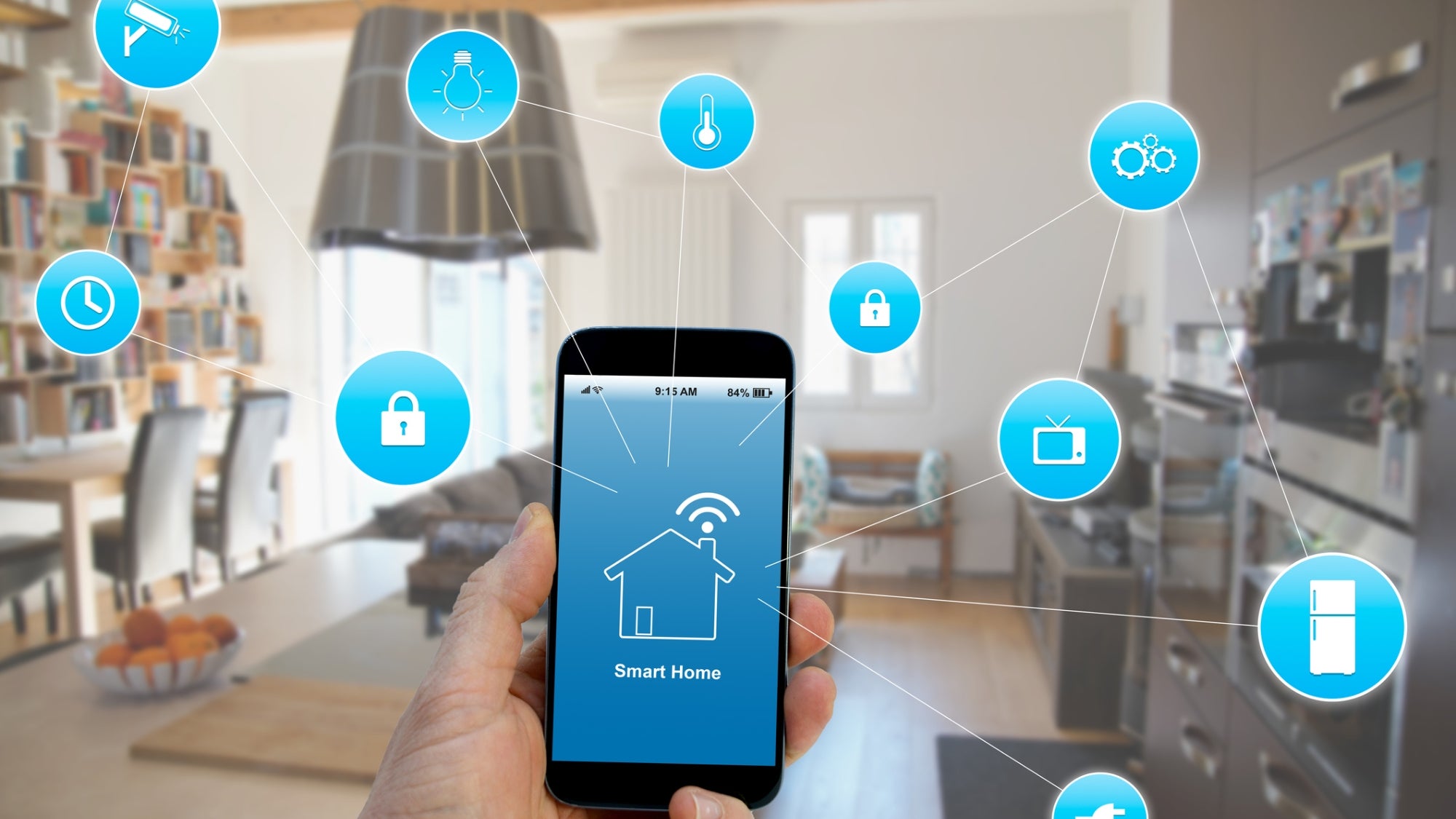
In recent years, the concept of the Internet of Things (IoT) has transitioned from a tantalizing buzzword to a reality that we live with every day. With the advent of advanced technologies, smart home devices are no longer the stuff of science fiction; they are now part of our daily lives. This article will explore how IoT is not just a trend, but a revolutionary force in smart home technology and how it is changing the way we interact with our homes.
What is IoT?
Before diving into its impact on smart homes, it’s essential to understand what IoT is. The Internet of Things refers to a network of physical devices connected to the Internet, enabling them to collect and exchange data. This interconnectedness can range from simple devices like light bulbs to complex systems like smart appliances and home security systems. As each device shares data and communicates with others, it fosters a seamless integration into our daily activities, allowing for increased efficiency, convenience, and security.
The Rise of Smart Home Technology
The adoption of smart home technology is rapidly growing. According to a study by Statista, the smart home market is expected to reach over $157 billion by 2023. Factors driving this growth include the increasing affordability of smart devices, the proliferation of wireless technology, and a growing consumer demand for convenience and efficiency.
IoT serves as the backbone of smart home technology. By connecting various devices, IoT enables homeowners to control their environment remotely or automate routine tasks. Imagine adjusting your thermostat from your smartphone while stuck in traffic or checking whether you left the garage door open during vacation—all possible thanks to IoT.
Enhanced Efficiency and Energy Management
One of the most significant advantages of IoT in smart homes is energy management. Smart thermostats, for example, learn your schedule and preferences, automatically adjusting the temperature to optimize energy usage. According to the U.S. Department of Energy, homeowners can save up to 10-30% on their heating and cooling bills by using smart thermostats that leverage IoT technology.
IoT-enabled energy monitors provide real-time data about energy consumption, allowing homeowners to identify patterns and pinpoint energy waste. This proactive approach to energy management not only saves money but also contributes to a more sustainable environment.
Increased Home Security
Home security has always been a top priority for homeowners, and IoT is transforming how we think about security systems. Smart cameras, doorbells, and motion sensors can be monitored and controlled from your smartphone, providing real-time alerts and footage wherever you are.
For example, video doorbells let you see who is at your door and communicate with visitors—even if you’re not at home. This level of remote monitoring instills a sense of safety and peace of mind. Additionally, smart locks enable you to grant access to family or service providers without needing to be physically present, further enhancing convenience and security.
Seamless Home Automation
Home automation represents the pinnacle of what IoT can achieve. Imagine your home responding to your needs seamlessly—turning on lights as you enter, brewing coffee at your preferred time, or even opening the blinds to greet the morning sun.
Voice-activated assistants like Amazon Alexa and Google Assistant can control various devices through simple commands, making interaction effortless. In fact, you can set routines that automate multiple tasks at once—such as “Good Morning,” which might turn off your alarm, turn up the thermostat, and start the coffee maker with a single voice command.

- Overcome negative thought patterns, reduce stress, and live a worry-free life
- Overthinking is the biggest cause of unhappiness
- Don't get stuck in a never-ending thought loop
- Stay present and keep your mind off things that don't matter, and never will
- Break free of your self-imposed mental prison
Health and Wellness Benefits
IoT technology extends to health and wellness, especially in smart homes equipped with health-monitoring devices. Wearable technologies that sync up with smart home devices can help you maintain a healthy lifestyle by tracking your fitness goals, reminding you to stay hydrated, and ensuring you get enough sleep.
For instance, smart beds can monitor your sleep patterns and adjust firmness and temperature for optimal comfort. Smart air quality monitors can alert you to unhealthy air conditions and suggest solutions, creating a safer living environment.
Choosing the Right Devices for Your Smart Home
With the multitude of devices available, it can be overwhelming to determine which products are right for your smart home. Here are a few considerations to help you make informed decisions:
-
Compatibility: Ensure that the devices you choose are compatible with your existing ecosystem. Most smart devices work with popular platforms like Alexa, Google Assistant, or Apple HomeKit.
-
Security Features: Look for products that prioritize security. Features such as end-to-end encryption and two-factor authentication can help protect your privacy.
-
Energy Efficiency: Opt for devices that are Energy Star certified or utilize advanced algorithms to help reduce energy consumption.
-
User Reviews: Reading product reviews from others offers insights into usability and reliability, helping you make the right choices.
The Future of Smart Homes with IoT
The potential for IoT in smart homes is nothing short of exciting. As technology advances, we can expect even greater integration of smart devices into our lives. Predictive analytics powered by AI will enable devices to anticipate our needs before we even express them.
For instance, our kitchens might become far more intuitive, with smart fridges monitoring food freshness and automatically generating grocery lists. Homeowners could even receive recipe suggestions based on available ingredients.
Furthermore, with the rising trend of smart cities, homeowners can expect even more integration between their homes and the urban infrastructure surrounding them. Traffic and public transport updates may become built into home systems, so residents can plan their days more efficiently.
The Environmental Impact of Smart Homes
Beyond individual benefits, smart homes contribute positively to the environment. By promoting energy efficiency and reducing waste, IoT-enabled smart devices help decrease the overall carbon footprint. Smart irrigation systems can monitor ground moisture and optimize watering schedules, saving water and promoting sustainable gardening practices.
Moreover, real-time data from IoT devices can assist local governments in better managing resources, thereby enhancing community sustainability efforts.
Conclusion
IoT is indeed revolutionizing the way we think about smart home technology. Its vast array of applications—from improved energy management and home security to health and wellness benefits—demonstrates that the future is not just about smart devices, but about smarter living.
As we continue to embrace this interconnected world, we can expect our homes to become more intuitive, efficient, and responsive to our needs. Whether you’re a tech enthusiast or simply want to improve your living environment, investing in smart home technology powered by IoT is a step toward a more convenient and sustainable future.
If you’re contemplating making your home smarter, now is the time to explore the vast world of IoT devices available. The future of home living is here—are you ready to embrace it?


