
How Led Light Bulbs Work: A Comprehensive Guide
Introduction
In today’s world, LED light bulbs have become an essential part of our daily lives. From lighting up homes to powering electronic devices, LEDs are everywhere. But have you ever wondered how they work? In this article, we will delve into the world of LEDs and explore their functionality.
What is a Led?
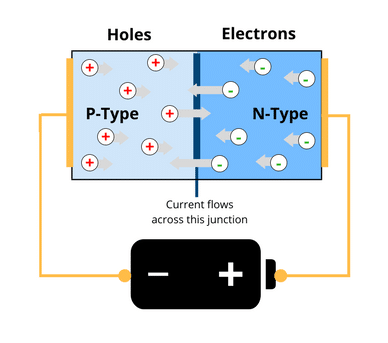
A LED (Light Emitting Diode) is an electronic component that converts electrical energy into light energy. It consists of two filaments or terminals that are connected in a way that allows the passage of electrical current. When these terminals are crossed with electrical current, the material semiconductor between them converts the energy into light.
The Principle of Operation
The principle of operation of an LED is based on the conversion of electrical energy into light energy. This process involves the passing of continuous current through the diode, which generates a flow of electrons that produce photons. These photons are then emitted as light, giving us the desired illumination.
Types of Leds
There are several types of LEDs available in the market, each with its own unique characteristics. Some of the most common types include:
- White Leds: These LEDs emit white light and are commonly used in lighting applications.
- Colored Leds: These LEDs can produce various colors, depending on the semiconductor material used.
- Infrared Leds: These LEDs emit infrared radiation and are often used in remote control devices.
- Rgb Leds: These LEDs consist of three separate LEDs (Red, Green, Blue) that can be combined to produce a wide range of colors.
How Led Light Bulbs Work
LED light bulbs work on the same principle as individual LEDs. They consist of multiple LEDs arranged in a matrix or strip, which are powered by a small electronic circuit. This circuit converts the electrical energy from the power source into a format that can be used by the LEDs to produce light.
Advantages of Led Light Bulbs
LED light bulbs have several advantages over traditional incandescent bulbs:
- Energy Efficiency: LEDs use significantly less energy than incandescent bulbs, making them an ideal choice for reducing energy consumption.
- Long Lifespan: LEDs can last up to 50 times longer than incandescent bulbs, making them a cost-effective option in the long run.
- Durability: LEDs are highly resistant to shock and vibrations, making them perfect for use in harsh environments.
Conclusion
In conclusion, LED light bulbs work on the same principle as individual LEDs. They convert electrical energy into light energy using semiconductor materials. With their numerous advantages, it’s no wonder why LEDs have become an essential part of our daily lives.
Frequently Asked Questions (FAQs)
-
What is The Difference Between Led And Incandescent Bulbs?
LED bulbs use semiconductors to convert electrical energy into light, while incandescent bulbs produce heat and light.
2. How Long do Led Bulbs Last?LEDs can last up to 50 times longer than incandescent bulbs, making them a cost-effective option in the long run.
3. Are Leds Environmentally Friendly?Yes, LEDs are an eco-friendly choice as they consume less energy and produce minimal heat, reducing greenhouse gas emissions.
4. Can I Use Led Bulbs With Dimmers?Yes, many LED bulbs can be used with dimmers, but it’s essential to check the specifications of the bulb before purchase.
References
- “LED Light Bulb” on Wikipedia
- “How LED Light Bulbs Work” by Home Depot
- “The Benefits of LED Lighting” by Energy Star


