
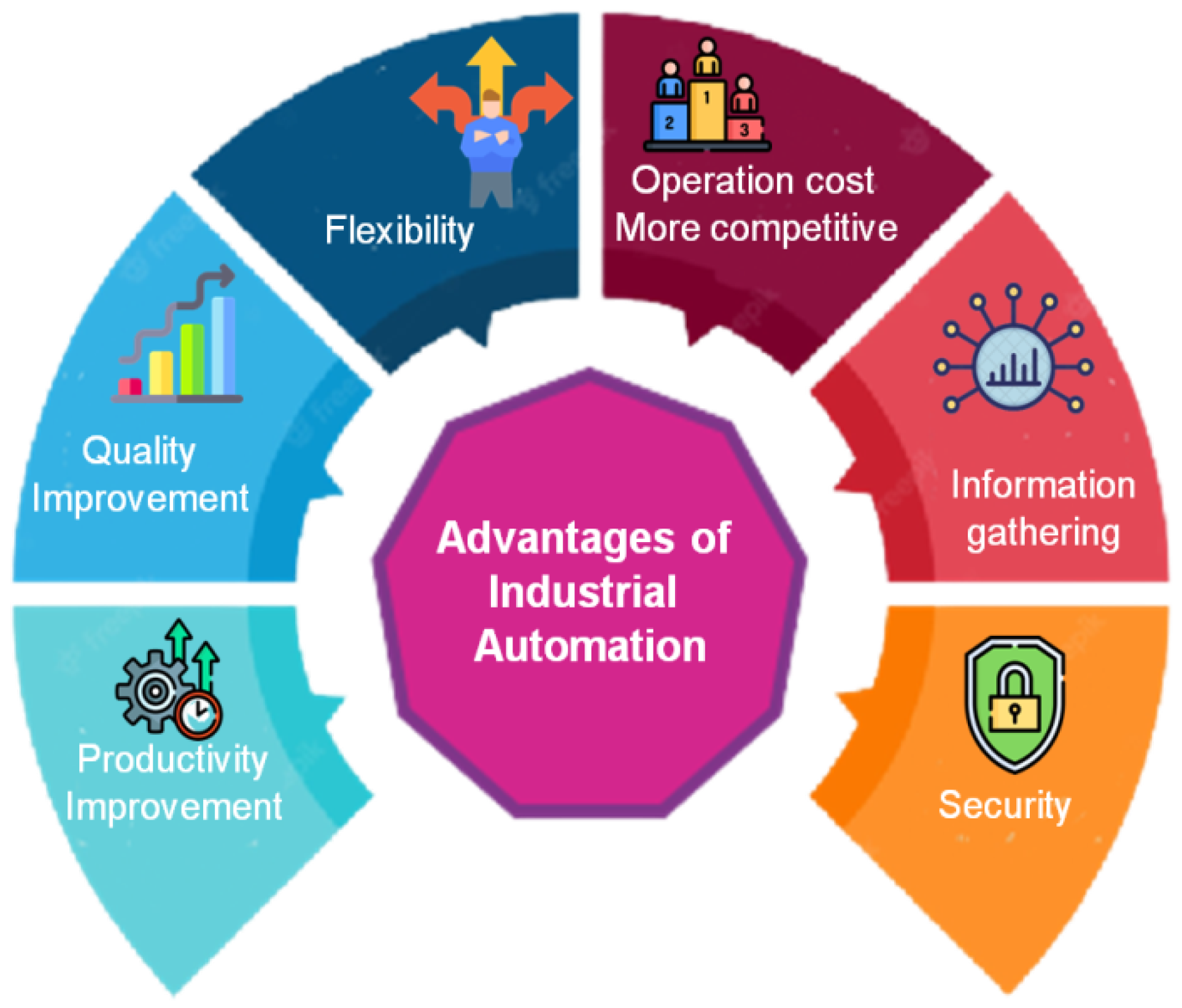
In an era where technology seamlessly stitches into the fabric of our daily lives, one field stands out for its transformative power—machine learning. While it may seem far removed from the world of travel and exploration, the implications of machine learning extend even to the picturesque corners of the globe. As a travel blogger exploring these intersections, I’ve discovered how machine learning is not only enhancing industry automation but also shaping the future of how we travel.
Whether you’re planning your next getaway or delving into the nitty-gritty of how industries, including travel, are automating processes, this article will unravel the incredible synergy between machine learning and industry automation. Let’s journey into this fascinating realm!
Understanding Machine Learning and Automation
Before we dive deeper, it’s helpful to grasp the core concepts at play. Machine learning is a branch of artificial intelligence that focuses on the development of systems that can learn from data, identify patterns, and make decisions with minimal human intervention. In industries ranging from healthcare to finance, machine learning is driving efficiency, accuracy, and innovation.
Automation, on the other hand, refers to the technologies and processes that allow systems to perform tasks with little or no human input. When combined with machine learning, automation becomes more intelligent. This clever amalgamation enables industries to enhance operational efficiency and improve customer experiences.
The Road Ahead: Automation in Travel and Tourism
So, how does this translate into the travel industry? Let’s unpack several key areas where machine learning is automating processes, providing conveniences, and enhancing the customer experience.
1. Personalized Recommendations
Picture this: You’re searching for a travel destination and enter a website that populates an array of options based on your previous searches, preferences, and travel behavior. Welcome to the age of personalized recommendations—a feature significantly powered by machine learning algorithms.
Travel platforms like Expedia and Airbnb utilize machine learning to analyze user data and deliver tailored suggestions. This process not only saves time but also creates a sense of connection between travelers and their chosen destinations. The more we engage with these platforms, the better they become at understanding our unique preferences.
2. Smart Chatbots and Customer Service
We’ve all had our share of frustrations while trying to find help from customer service representatives, especially when dealing with long wait times. However, machine learning has paved the way for chatbots that provide instant assistance.
These smart bots are trained using vast datasets and can handle a plethora of inquiries—be it about flight changes, itinerary modifications, or even local attractions. The ability of these machine-learning-driven chatbots to understand natural language and provide relevant answers is revolutionizing customer service in the travel industry.
As a traveler, there’s nothing more gratifying than receiving instantaneous help without the annoyance of being put on hold—thanks to the rise of automation in travel services.
3. Demand Forecasting
Understanding traveler behavior is crucial for industry players—especially when it comes to managing resources. With machine learning, companies can now leverage demand forecasting techniques to predict upcoming travel trends.
Airlines, hotels, and even local businesses use predictive analytics to determine peak seasons and tailor their strategies accordingly. This means more availability, better pricing, and an overall improved experience for travelers. As a result, companies can optimize their resources, leading to lesser chances of overbooking, which is often a headache for globetrotters.

- Overcome negative thought patterns, reduce stress, and live a worry-free life
- Overthinking is the biggest cause of unhappiness
- Don't get stuck in a never-ending thought loop
- Stay present and keep your mind off things that don't matter, and never will
- Break free of your self-imposed mental prison
4. Enhanced Pricing Models
Travel pricing can often feel like a gamble. One minute flights to Paris may be sky-high, and the next, they’re at an unbeatable price. Machine learning has revolutionized this arena by automating dynamic pricing strategies.
Through algorithms that take into account various factors—such as demand, availability, and time of booking—airlines and booking platforms can adjust prices in real-time. This is a boon for savvy travelers who can set price alerts or track fluctuating fares to score the best deals.
5. Streamlined Operations
The inner workings of travel companies often involve a myriad of processes. Machine learning streamlines these operations through automation.
From optimizing flight schedules to managing supply chains in hospitality, machine learning algorithms analyze historical data to enhance operational efficiency. This results in less downtime, fewer cancellations, and an overall smoother travel experience for passengers.
As a travel blogger, sharing stories about seamless journeys enhances the charm of my content.
6. Fraud Detection and Security
With the increasing reliance on online transactions during travel, security has taken center stage. Machine learning plays an essential role in automating fraud detection processes.
Financial institutions and travel companies employ machine-learning algorithms to analyze transaction patterns in real-time. Any suspicious activity can be flagged instantly, ensuring travelers’ transactions remain secure.
This added layer of safety translates into peace of mind for travelers, allowing them to enjoy their adventures without the worry of digital threats.
7. Smart Travel Planning
The travel planning process can be overwhelming—between booking flights, accommodations, and activities, it’s easy to feel lost. Enter machine learning, which simplifies this intricate maze.
Smart travel planning tools, enabled by machine learning, can automatically create personalized itineraries based on individual preferences. From suggesting must-visit landmarks to uncovering hidden gems, these tools can curate experiences that align with the traveler’s interests.
As a travel blogger, I have experimented with some of these tools, and the insights they provide have inspired unique content that resonates with my audience.
Conclusion: Embracing the Future
As we navigate through this technological revolution, machine learning continues to redefine how industries operate. For travel enthusiasts, this means cleaner, more streamlined processes that amplify comfort and joy during their escapades.
In my adventures, I have witnessed firsthand the implications of these advancements—from smart chatbots ensuring my concerns are addressed to personalized recommendations that introduce me to enchanting destinations.
With a future that promises ongoing innovation driven by machine learning and automation, the travel industry is well-poised to enhance the experiences of explorers around the world.
So, the next time you embark on a journey, remember how intricate algorithms and automation are working tirelessly behind the scenes to make your experience smoother and more enjoyable. Let’s embrace the synergy of travel and technology, as we unveil the world around us—one destination at a time.
With that said, here’s to the future of travel—one shaped by machine learning and driven by the desire for exploration. Happy travels!


