
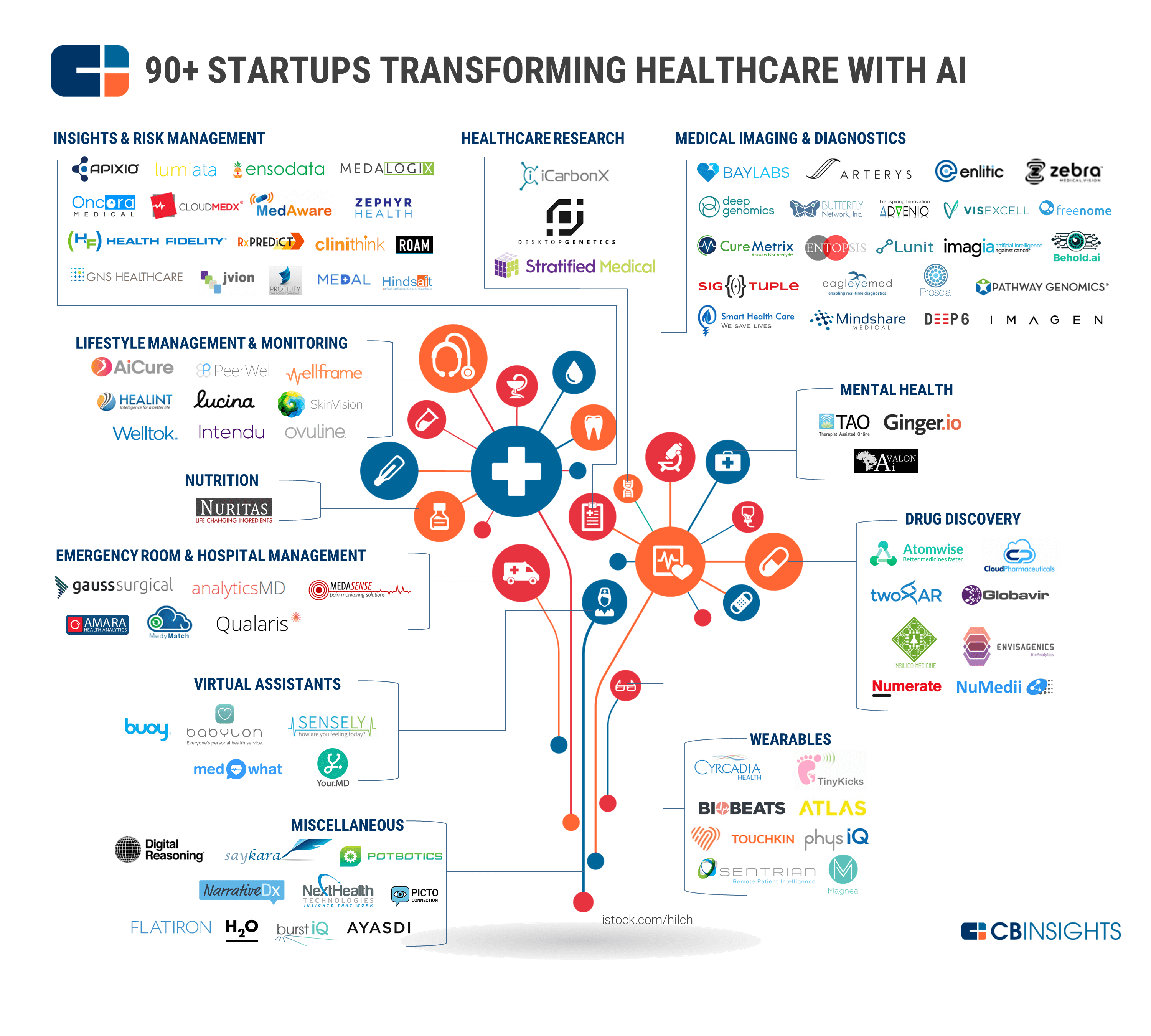
In recent years, the healthcare industry has witnessed a significant technological evolution, with machine learning (ML) emerging as a revolutionary force. As startups capitalize on this burgeoning field, they are driving innovative solutions that address pressing healthcare challenges. This article explores how machine learning is transforming healthcare startups, the advancements it brings to patient care, administration, diagnosis, and treatment, and what the future holds for this critical intersection of technology and healthcare.
Understanding Machine Learning in Healthcare
Machine learning is a subset of artificial intelligence (AI) that enables systems to learn from data, identify patterns, and make decisions with minimal human intervention. In the healthcare context, this translates to the analysis of vast amounts of medical data to improve outcomes, streamline operations, and forecast patient needs.
Startups embracing machine learning are poised to tackle inefficiencies, reduce costs, and enhance patient experiences. From predictive analytics to personalized medicine, let’s delve into the myriad applications of ML technology in healthcare startups.
Enhancing Diagnostics with ML Algorithms
One of the most significant impacts of machine learning in healthcare is the enhancement of diagnostic processes. Startups are developing advanced algorithms that analyze medical images, lab results, and patient history to aid healthcare professionals in making quicker and more accurate diagnoses.
For instance, a startup like Zebra Medical Vision uses ML to interpret medical imaging, helping radiologists detect conditions such as cancer and cardiovascular diseases more effectively. By training algorithms on millions of medical images, the software can identify subtle patterns that might go unnoticed by human eyes, improving early detection rates and ultimately saving lives.
Moreover, startups like PathAI utilize AI-driven technology to assist pathologists in diagnosing diseases from biopsy samples. This not only reduces the potential for human error but also helps medical professionals focus on complex cases that require more nuanced expertise.
Revolutionizing Treatment Plans
Machine learning technology is also revolutionizing the way treatment plans are formulated. Startups are leveraging ML to analyze patient data, treatment outcomes, and even genetic information to create personalized treatment strategies. This move toward precision medicine allows healthcare providers to tailor interventions to individual patient needs, thereby improving efficacy and reducing side effects.
For instance, startups like Tempus are using machine learning to analyze clinical and molecular data to assist oncologists in designing customized cancer treatment plans. By examining genetic mutations and other biomarkers, these platforms provide insights that help doctors make data-backed decisions on whether to prescribe specific therapies or clinical trials.
Furthermore, machine learning plays a crucial role in drug discovery. Traditional methods can be time-consuming and costly, but ML accelerates this process significantly. Startups like Atomwise utilize deep learning algorithms to predict how different molecules will interact with disease-causing proteins, speeding up the identification of promising compounds for new medications.
Streamlining Operations and Administrative Efficiency
In addition to enhancing diagnostics and treatment plans, machine learning is helping healthcare startups streamline their operations. The complexity of healthcare management can lead to inefficiencies that ultimately affect patient care. Startups are utilizing ML tools to automate administrative tasks such as appointment scheduling, billing, and patient follow-up.
By applying natural language processing (NLP), a branch of machine learning, startups like Qventus are implementing smart management systems that analyze hospital data in real-time. This can lead to optimized resource allocation, reduced wait times, and improved patient flow, ultimately enhancing the overall healthcare experience.
Predictive Analytics: Startups are also engaged in developing predictive analytics tools that enable healthcare facilities to anticipate patient needs. For instance, an ML model can help predict patient admissions, readmissions, or even the outbreak of infections based on historical data, allowing organizations to proactively address potential issues.
Enhancing Patient Engagement Through ML
A pivotal aspect of modern healthcare is patient engagement, and machine learning is proving to be a valuable tool in enhancing this experience. Startups are developing applications that harness machine learning to provide personalized health insights and recommendations to patients.
For example, wellness platforms like Lumo AI utilize machine learning to analyze user behavior and deliver personalized fitness and health advice. By tailoring recommendations based on individual data and preferences, these platforms aim to drive healthier lifestyle choices among users.
Moreover, ML technologies are being used to create chatbots and virtual health assistants that can interact with patients, answering queries related to symptoms, medications, and appointments. Startups like Buoy Health employ chatbots that assess patient symptoms and direct them toward appropriate care pathways, taking some load off healthcare professionals and ensuring timely patient support.

- Overcome negative thought patterns, reduce stress, and live a worry-free life
- Overthinking is the biggest cause of unhappiness
- Don't get stuck in a never-ending thought loop
- Stay present and keep your mind off things that don't matter, and never will
- Break free of your self-imposed mental prison
Addressing Healthcare Inequities
Machine learning is also playing a crucial role in addressing healthcare disparities. Startups that focus on health equity are utilizing ML algorithms to analyze social determinants of health (SDOH) and identify populations that are at risk for specific health issues. This information can guide targeted interventions and resource allocation.
For example, organizations like Cityblock Health leverage ML to analyze community data and provide healthcare services tailored to underserved populations. By understanding the unique challenges faced by these communities, they can implement proactive measures to improve access to care, ultimately leading to better health outcomes.
Overcoming Challenges of Machine Learning in Healthcare
Despite the transformative potential of machine learning in healthcare, startups face several challenges in its implementation. Data privacy and security are paramount concerns, as health data is often sensitive and subject to stringent regulatory standards like the Health Insurance Portability and Accountability Act (HIPAA).
Moreover, ensuring algorithmic transparency is critical. Healthcare professionals must understand how ML algorithms arrive at their conclusions to trust and effectively implement these technologies in clinical decision-making. Startups that prioritize ethical AI practices and maintain transparency will likely build stronger relationships with healthcare providers and patients alike.
Additionally, there’s a need for a robust training infrastructure. Healthcare professionals must be trained to work alongside machine learning tools, understanding their capabilities and limitations. Startups that provide comprehensive education and support will be better positioned to integrate machine learning into healthcare settings.
Looking to the Future: The Role of Machine Learning in a Post-Pandemic World
As we look toward the future, it’s clear that the COVID-19 pandemic has accelerated the adoption of technology in healthcare, including machine learning. Startups have played a vital role in this transformation, developing innovative solutions to tackle immediate challenges while also laying the groundwork for long-term change.
The integration of machine learning into telemedicine is one example of how healthcare delivery may evolve. Startups are exploring the development of AI-driven platforms that can analyze patient data collected during virtual consultations, enhancing diagnostic accuracy and treatment recommendations.
Furthermore, the lessons learned from the pandemic will likely spur a continued focus on data interoperability, enabling seamless sharing of information among healthcare providers. Startups that prioritize collaboration and data-sharing frameworks are well-positioned to drive industry-wide improvements.
Conclusion: Embracing the Future of Healthcare
Machine learning is no longer a futuristic concept; it is rapidly becoming a cornerstone of modern healthcare innovation. Startups at the forefront of this technological revolution are harnessing the power of ML to enhance diagnostics, personalize treatment plans, streamline operations, boost patient engagement, and tackle healthcare disparities.
As the industry continues to evolve, the successful integration of machine learning will require a commitment to ethical practices, transparency, and ongoing education. Embracing these principles will empower healthcare startups to not only improve patient outcomes but also reshape the healthcare landscape for generations to come.
The intersection of machine learning and healthcare startups is a promising space to watch. As these innovations unfold, one thing is certain: the future of healthcare is bright, and machine learning will be a key player in this transformative journey.


