
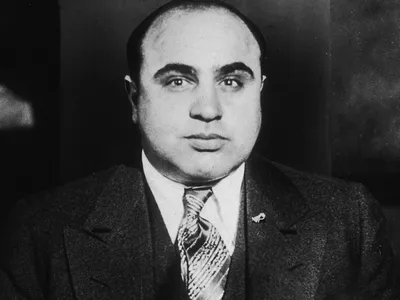
Al Capone, the infamous gangster who dominated the Chicago underworld during the Prohibition era, remains an enduring figure in American history. Known for his ruthless tactics and opulent lifestyle, Capone’s wealth and earnings have been subjects of intrigue and speculation. This article delves into the financial legacy of Al Capone, exploring his income sources, net worth, and the historical context of his wealth, with a focus on providing detailed insights and explanations.
Who Was Al Capone?
Alphonse Gabriel Capone, commonly known as Al Capone, was born on January 17, 1899, in Brooklyn, New York. He rose to prominence as a gangster and leader of the Chicago Outfit, a criminal organization that played a significant role in the illegal alcohol trade during Prohibition. Capone’s ability to evade law enforcement and his involvement in various criminal enterprises made him one of the most notorious figures in American history.
Sources of Al Capone’s Wealth
Capone’s wealth was derived from a variety of illegal activities and strategic investments. Here are the primary sources of his income:
1. Bootlegging During Prohibition
Prohibition (1920-1933) created a lucrative black market for alcohol, which Capone exploited to amass significant wealth. As the head of the Chicago Outfit, Capone oversaw extensive bootlegging operations, smuggling alcohol into the United States and distributing it through a network of speakeasies and illegal bars. The demand for illicit alcohol was enormous, and Capone’s organization was able to generate substantial profits from its sale. This enterprise was highly organized, involving sophisticated smuggling routes and bribery of law enforcement officials to avoid detection.
2. Gambling Operations
Capone’s involvement in gambling was another significant source of income. He controlled numerous illegal gambling establishments, including casinos, betting parlors, and lottery operations. These gambling ventures provided a steady and substantial revenue stream. Capone’s influence extended beyond Chicago, reaching into other major cities, ensuring that his gambling operations were both extensive and profitable. The control of gambling establishments also allowed Capone to expand his influence and consolidate power within the criminal underworld.
3. Prostitution Rings
Capone also profited from prostitution rings, which were an integral part of his criminal empire. These operations involved the management of brothels and the exploitation of sex workers. The income generated from prostitution added to Capone’s overall wealth, while also providing another means of exerting control over various territories and operations. This aspect of his empire demonstrated Capone’s willingness to engage in various forms of exploitation to maximize his earnings.
4. Extortion and Protection Rackets
Extortion and protection rackets were other significant sources of income for Capone. Businesses in Chicago were often forced to pay for “protection” from Capone’s organization to avoid violence and vandalism. These payments were a reliable source of revenue and helped Capone maintain control over the city’s business community. The fear and intimidation tactics used ensured compliance and a continuous flow of money into Capone’s coffers.
5. Investments in Legitimate Businesses
In addition to his illegal enterprises, Capone invested in numerous legitimate businesses. These included laundries, restaurants, and even a soup kitchen during the Great Depression. These legitimate investments not only helped to launder his illegal earnings but also provided a stable source of income. By diversifying his financial portfolio, Capone was able to mitigate risks and create a facade of respectability, further complicating efforts to trace his illicit wealth.
Estimating Al Capone’s Net Worth
Estimating Al Capone’s net worth is challenging due to the secretive nature of his operations and the lack of concrete financial records. However, various estimates and historical accounts provide a glimpse into the scale of his wealth.
Peak Wealth Estimates
At the height of his power in the late 1920s, Capone’s net worth was estimated to be around $100 million. This figure, when adjusted for inflation, would be equivalent to over $1 billion today. This estimation takes into account his earnings from bootlegging, gambling, prostitution, extortion, and legitimate investments. The immense profits from these activities underscored Capone’s dominance in the criminal underworld and his ability to generate vast sums of money.
Hidden Assets
Capone was adept at hiding his assets through a network of trusted associates and complex financial arrangements. He utilized offshore accounts, shell companies, and cash transactions to conceal his wealth from law enforcement. This secrecy makes it difficult to determine the full extent of his fortune. Some believe that significant portions of his wealth remain undiscovered, hidden in various financial havens around the world. The use of intricate financial schemes and loyal intermediaries ensured that much of Capone’s wealth remained out of reach of authorities.
Legal Seizures and Losses
Despite his financial acumen, Capone faced numerous legal challenges. In 1931, he was convicted of tax evasion and sentenced to 11 years in federal prison. Authorities seized some of his assets, and he spent considerable amounts on legal defenses. These seizures and expenses undoubtedly impacted his overall net worth. However, Capone’s ability to maintain a significant portion of his wealth, even while incarcerated, speaks to his financial ingenuity and the resilience of his criminal empire.
The Historical Context of Al Capone’s Wealth
To fully understand Al Capone’s financial success, it’s essential to consider the historical context in which he operated. Capone’s rise to wealth and power was not merely a result of his criminal activities but also a product of the social and economic conditions of his time.
The Prohibition Era
Prohibition created a unique opportunity for organized crime figures like Capone to amass significant wealth. The nationwide ban on alcohol led to a surge in illegal activities, from bootlegging to speakeasies. Capone’s ability to navigate and exploit these opportunities set the foundation for his financial empire. The widespread demand for alcohol and the willingness of people to flout Prohibition laws created a thriving black market that Capone and his associates capitalized on effectively.
The Great Depression
The Great Depression (1929-1939) also played a role in shaping Capone’s financial landscape. While many Americans struggled financially, Capone’s wealth allowed him to maintain his criminal enterprises and even engage in acts of public philanthropy, such as running a soup kitchen. These actions helped to bolster his public image, despite his criminal activities. The economic hardships faced by many also made Capone’s protection rackets and illegal enterprises more appealing to struggling businesses and individuals seeking financial stability.
Law Enforcement and Corruption
Capone’s ability to amass and maintain his wealth was facilitated by widespread corruption within law enforcement and government. Bribery, intimidation, and violence ensured that Capone’s operations were protected from legal interference. This corruption extended to various levels of government and law enforcement, allowing Capone to operate with relative impunity for much of his career. The complicity of officials in Capone’s activities underscored the challenges faced by those attempting to combat organized crime during this period.
Capone’s Legacy
Al Capone’s financial legacy is a testament to his ingenuity, ruthlessness, and strategic acumen. Despite his criminal background, his ability to navigate the complex world of finance and investments remains impressive. Capone’s wealth, both real and rumored, continues to be a topic of fascination and speculation.
Impact on Organized Crime
Capone’s methods and strategies influenced generations of organized crime figures. His approach to bootlegging, gambling, extortion, and investment diversification set a precedent for others to follow. Capone’s legacy lives on in the way modern criminal enterprises manage their finances and operations. His ability to integrate illegal activities with legitimate business ventures provided a blueprint for future organized crime leaders.
Cultural Influence
Capone’s life and wealth have been immortalized in popular culture, from books and movies to TV shows. His character, often portrayed as the epitome of the ruthless gangster, continues to capture the public’s imagination. The fascination with Capone’s financial success and criminal exploits underscores the enduring allure of the gangster mystique. Capone’s story has become a symbol of the Prohibition era and the excesses of organized crime, resonating with audiences around the world.
Conclusion
Al Capone’s wealth and earnings were the results of a combination of criminal ingenuity, strategic investments, and the ability to adapt to changing circumstances. While exact figures are challenging to determine, Capone’s financial legacy remains a significant part of American organized crime history. His methods and strategies continue to be studied and emulated, ensuring that the name Al Capone remains synonymous with financial acumen in the world of crime. Whether viewed as a criminal mastermind or a financial genius, Capone’s impact on the world of finance and organized crime is undeniable.


