
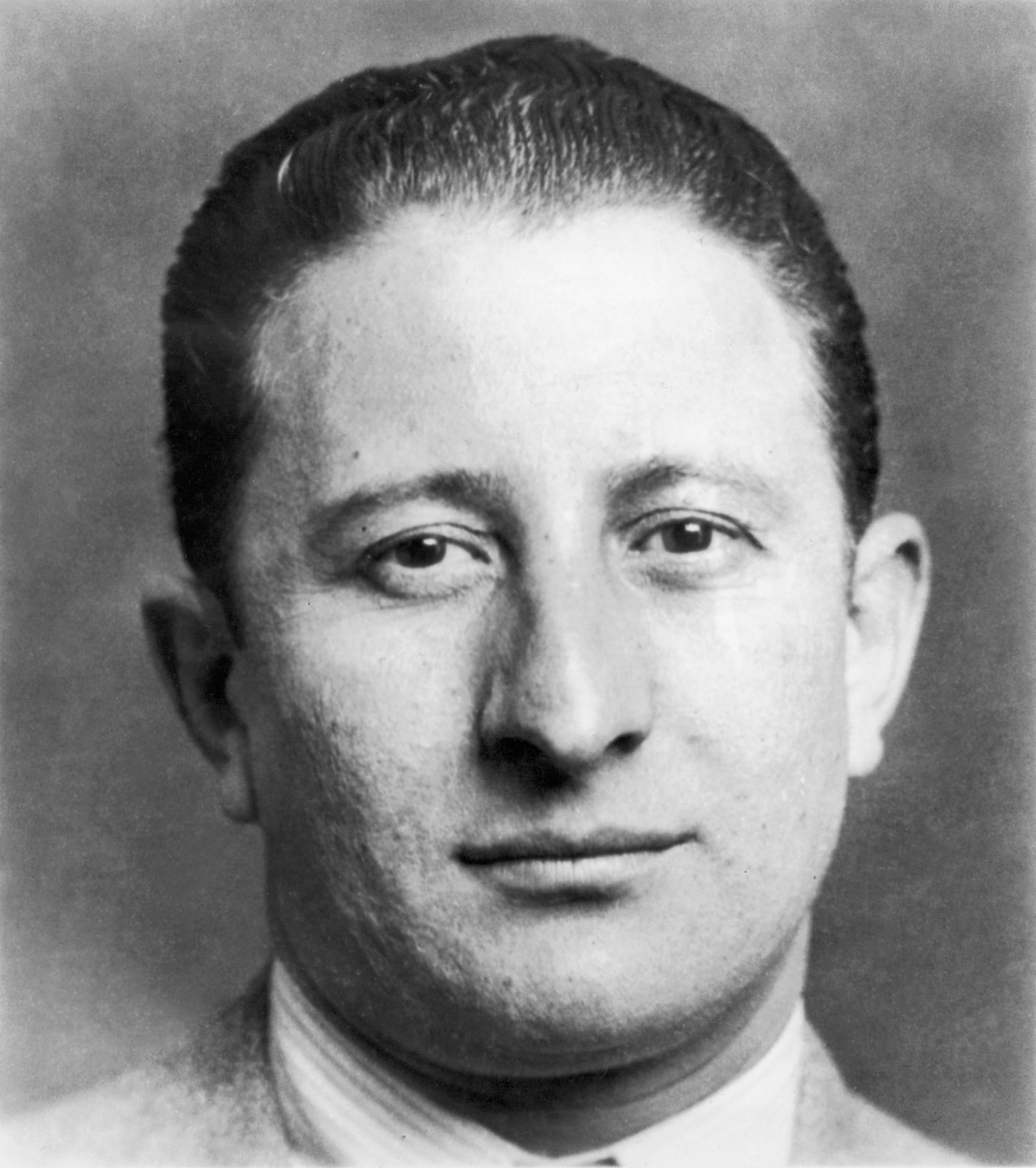
Carlo Gambino, a name etched in the annals of American organized crime, is synonymous with power, strategy, and immense wealth. As the head of the Gambino crime family, Carlo Gambino’s financial empire has been a subject of fascination and speculation for decades. This article delves into the financial legacy of Carlo Gambino, exploring his income sources, net worth, and the historical context of his wealth, with a particular focus on how he amassed his fortune.
Who Was Carlo Gambino?
Carlo Gambino was born on August 24, 1902, in Palermo, Sicily. He immigrated to the United States in 1921, at the age of 19, and quickly integrated into the burgeoning world of organized crime in New York City. Over the years, Gambino rose through the ranks to become the head of the Gambino crime family, one of the Five Families that dominated organized crime in New York.
Sources of Carlo Gambino’s Wealth
Gambino’s wealth was derived from a diverse array of illegal activities and strategic investments. Here are the primary sources of his income:
1. Bootlegging During Prohibition
Similar to many other prominent figures in organized crime, Carlo Gambino’s early wealth can be traced back to Prohibition (1920-1933). The nationwide ban on alcohol created a lucrative black market, and Gambino, along with other mobsters, capitalized on this opportunity. Bootlegging, which involved the illegal production, distribution, and sale of alcohol, was highly profitable. Gambino’s operations extended from smuggling liquor into the United States to running speakeasies and supplying illicit alcohol to eager customers.
2. Gambling Operations
Gambino’s involvement in the gambling industry was extensive and highly profitable. He controlled numerous illegal gambling operations, including casinos, betting parlors, and numbers rackets. His influence in the gambling sector extended beyond New York City to Las Vegas and other major cities. The steady stream of income from these ventures significantly contributed to his wealth. The gambling business provided a consistent and substantial revenue stream, with minimal risk compared to other criminal enterprises.
3. Extortion and Loan Sharking
Extortion and loan sharking were other significant sources of income for Carlo Gambino. Extortion involved demanding money from businesses and individuals in exchange for “protection” from harm or interference. Loan sharking, on the other hand, involved lending money at exorbitant interest rates and using threats or violence to ensure repayment. These activities generated substantial profits and helped Gambino maintain control over various neighborhoods and businesses. The fear and respect he commanded ensured compliance and continuous revenue.
4. Drug Trafficking
While Carlo Gambino was known to oppose drug trafficking publicly, there is evidence to suggest that the Gambino family was involved in the narcotics trade. The profits from drug trafficking were enormous, contributing significantly to Gambino’s wealth. However, his cautious approach to this highly lucrative but risky venture demonstrated his strategic acumen. By keeping a distance from direct involvement, he managed to mitigate risks while still benefiting financially.
5. Legitimate Businesses and Investments
In addition to his illegal enterprises, Carlo Gambino invested in numerous legitimate businesses. These investments included real estate, construction companies, and various other ventures. By diversifying his income sources, Gambino was able to launder his illicit earnings and secure a steady flow of legitimate income. These legitimate businesses not only provided financial stability but also served as a front for his criminal activities.
Estimating Carlo Gambino’s Net Worth
Estimating Carlo Gambino’s net worth is challenging due to the secretive nature of his operations and the lack of concrete financial records. However, various estimates and historical accounts provide a glimpse into the scale of his wealth.
Peak Wealth Estimates
At the height of his power, Gambino’s net worth was estimated to be in the hundreds of millions of dollars. Some sources suggest that his wealth may have approached $400 million, a staggering amount for that era. This estimation takes into account his earnings from bootlegging, gambling, extortion, loan sharking, and drug trafficking. Adjusted for inflation, this figure would translate to several billion dollars today.
Hidden Assets
Gambino was known for his ability to hide assets effectively. He utilized offshore accounts, shell companies, and trusted associates to conceal his wealth from authorities. This secrecy makes it difficult to determine the full extent of his fortune. Some believe that significant portions of his wealth remain undiscovered, hidden in various financial havens around the world.
Legal Seizures and Losses
Despite his financial prowess, Gambino faced numerous legal challenges, especially in his later years. Authorities seized some of his assets, and he spent considerable amounts on legal defenses. These seizures and expenses undoubtedly impacted his overall net worth. However, Gambino’s ability to rebuild and maintain his wealth, even in the face of legal adversity, speaks to his financial ingenuity.
The Historical Context of Gambino’s Wealth
To truly understand Carlo Gambino’s wealth, it’s essential to consider the historical context in which he operated. Gambino’s financial success was not merely a result of his criminal activities but also a product of the social and economic conditions of his time.
The Prohibition Era
Prohibition created a unique opportunity for organized crime figures like Gambino to amass significant wealth. The nationwide ban on alcohol led to a surge in illegal activities, from bootlegging to speakeasies. Gambino’s ability to navigate and exploit these opportunities set the foundation for his financial empire. The demand for alcohol and the willingness of people to pay for it created a lucrative market that Gambino and his associates capitalized on effectively.
The Growth of the Gambling Industry
The mid-20th century saw the expansion of the gambling industry, both legally and illegally. Gambino’s investments in casinos, particularly in Las Vegas, were strategic moves that paid off handsomely. His understanding of the gambling industry’s potential for profit and his ability to manage these operations efficiently contributed significantly to his wealth. The legalization of gambling in certain regions provided Gambino with opportunities to operate within the law, further legitimizing his earnings.
The Evolution of Financial Crimes
Gambino was a pioneer in the realm of financial crimes, particularly money laundering. His innovative methods set the standard for future criminal enterprises. The development of offshore banking and complex financial instruments allowed Gambino to protect and grow his wealth. His contributions to the field of financial crime had long-lasting impacts, influencing how organized crime operates even today.
Gambino’s Legacy
Carlo Gambino’s financial legacy is a testament to his ingenuity and strategic acumen. Despite his criminal background, his ability to navigate the complex world of finance and investments remains impressive. Gambino’s wealth, both real and rumored, continues to be a topic of fascination and speculation.
Impact on Organized Crime
Gambino’s methods and strategies influenced generations of organized crime figures. His approach to money laundering, investment diversification, and financial management set a precedent for others to follow. Gambino’s legacy lives on in the way modern criminal enterprises manage their finances.
Cultural Influence
Gambino’s life and wealth have been immortalized in popular culture, from books and movies to TV shows. His character, often portrayed as the epitome of the smart, calculating mobster, continues to capture the public’s imagination. The fascination with Gambino’s financial success and criminal exploits underscores the enduring allure of the gangster mystique.
Conclusion
Carlo Gambino’s wealth and earnings were the results of a combination of criminal ingenuity, strategic investments, and the ability to adapt to changing circumstances. While exact figures are challenging to determine, Gambino’s financial legacy remains a significant part of American organized crime history. His methods and strategies continue to be studied and emulated, ensuring that the name Carlo Gambino remains synonymous with financial acumen in the world of crime. Whether viewed as a criminal mastermind or a financial genius, Gambino’s impact on the world of finance and organized crime is undeniable.


