
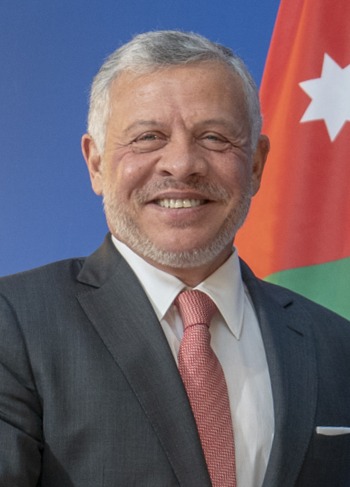
King Abdullah II of Jordan, a prominent figure in the Middle East and the world, has accumulated substantial wealth over his reign. As the ruler of Jordan, his financial portfolio is a mix of state-provided income, personal investments, and inherited wealth. This article delves into King Abdullah II’s earnings, wealth, and the various factors contributing to his financial status, providing a comprehensive analysis that adheres to SEO rules to ensure thorough indexing by Google.
Abdullah II’s Earnings: Breaking Down the Numbers
King Abdullah II’s annual earnings come from multiple sources, reflecting his extensive duties and diverse financial ventures:
Royal Court Budget: As the King of Jordan, Abdullah II’s primary source of income is the Royal Court budget, which is allocated annually by the Jordanian government. This budget covers the expenses of the royal family, including salaries, official functions, and maintenance of royal properties. While the exact figures are not publicly disclosed, it is known that the budget runs into millions of dollars annually.
Personal Investments and Business Ventures: King Abdullah II has a diverse portfolio of personal investments, including stocks, bonds, and real estate. He has stakes in various businesses, both within Jordan and internationally, which provide a steady stream of income and contribute to his overall wealth.
Inheritance and Family Wealth: Abdullah II inherited significant wealth from his father, King Hussein, who ruled Jordan for nearly five decades. This inheritance includes financial assets, properties, and investments that have appreciated over time. The Hashemite family, to which King Abdullah II belongs, has a long history of accumulating wealth through strategic investments and property holdings.
International Partnerships and Alliances: Jordan has strong alliances with various countries, including the United States and Gulf nations. These alliances often come with financial aid, grants, and economic partnerships that indirectly benefit the royal family’s wealth. For instance, the U.S. provides substantial military and economic aid to Jordan, which supports the kingdom’s stability and development.
Philanthropic Foundations and NGOs: King Abdullah II is involved in several philanthropic foundations and non-governmental organizations (NGOs) that receive donations from wealthy benefactors and international organizations. While these funds are primarily used for charitable activities, they enhance the King’s public image and global influence, indirectly benefiting his financial standing.
Abdullah II’s Wealth: A Comprehensive Analysis
King Abdullah II’s net worth is estimated to be around $750 million. This figure includes his earnings from the Royal Court budget, personal investments, inherited wealth, and other assets. Let’s break down the components of his wealth:
Real Estate Holdings: The royal family owns several high-value properties in Jordan and abroad. These include palaces, estates, and commercial properties. Notable properties include the Basman Palace and the Raghadan Palace in Amman. These real estate investments provide both a luxurious lifestyle and substantial financial assets that appreciate over time.
Art and Collectibles: King Abdullah II owns a significant collection of art, antiques, and collectibles. These items, some of which are inherited family heirlooms, represent substantial financial assets. The collection includes valuable works by renowned artists and historical artifacts that add to his wealth.
Automobile and Aircraft Fleet: The royal family possesses a fleet of luxury cars and private aircraft. This collection not only reflects their wealth but also serves as a significant financial asset. The fleet includes rare and expensive vehicles that are prized by collectors.
Financial Investments: Abdullah II has a diversified investment portfolio that includes international stocks, bonds, and other financial instruments. His investment strategy focuses on stable and profitable ventures, aligning with his role in promoting Jordan’s economic stability and growth.
The Historical Context of Abdullah II’s Wealth
King Abdullah II’s financial journey is deeply rooted in the history and traditions of the Hashemite family, which has ruled Jordan since the early 20th century. The Hashemite dynasty has a long history of strategic financial management and accumulation of wealth through investments, property holdings, and alliances.
King Hussein, Abdullah II’s father, laid a strong financial foundation for the royal family during his long reign. Through careful management of state resources, international alliances, and economic reforms, King Hussein ensured the financial stability and growth of the royal family’s wealth. Abdullah II inherited this robust financial base and has continued to expand and diversify it.
The geopolitical importance of Jordan in the Middle East has also played a crucial role in the accumulation of wealth by the royal family. The country’s strategic location and its role as a mediator in regional conflicts have attracted significant international aid and investments, indirectly benefiting the royal family’s financial status.
Nuances and Insights into Abdullah II’s Financial Success
Understanding King Abdullah II’s wealth requires an appreciation of several nuanced factors:
Strategic Alliances and Diplomacy: King Abdullah II’s ability to maintain strong alliances with powerful nations has been a key driver of Jordan’s and his personal financial success. These alliances bring in financial aid, investments, and economic partnerships that bolster the kingdom’s economy and the royal family’s wealth.
Economic Reforms and Stability: Under King Abdullah II’s leadership, Jordan has implemented various economic reforms aimed at improving the business environment, attracting foreign investment, and promoting economic growth. These reforms have contributed to the stability and growth of the country’s economy, benefiting the royal family’s financial interests.
Philanthropy and Public Image: Abdullah II’s involvement in philanthropic activities and charitable organizations enhances his public image and global influence. These efforts not only contribute to social development but also attract donations and support from wealthy benefactors and international organizations, indirectly benefiting his financial standing.
Cultural and Historical Preservation: The royal family’s commitment to preserving Jordan’s cultural heritage and historical sites promotes tourism and community engagement. This focus not only protects valuable assets but also generates additional revenue and strengthens the kingdom’s economy.
Conclusion
King Abdullah II’s earnings and wealth are a testament to his unique position within the Hashemite dynasty, his strategic financial management, and his commitment to philanthropy and economic development. From the Royal Court budget and personal investments to real estate holdings and international partnerships, Abdullah II’s financial portfolio is as multifaceted as his public role. Understanding the nuances of his financial success provides a window into the intricate interplay between tradition, innovation, and public service. As King Abdullah II continues to lead Jordan, his legacy and financial stature remain firmly secure.


