
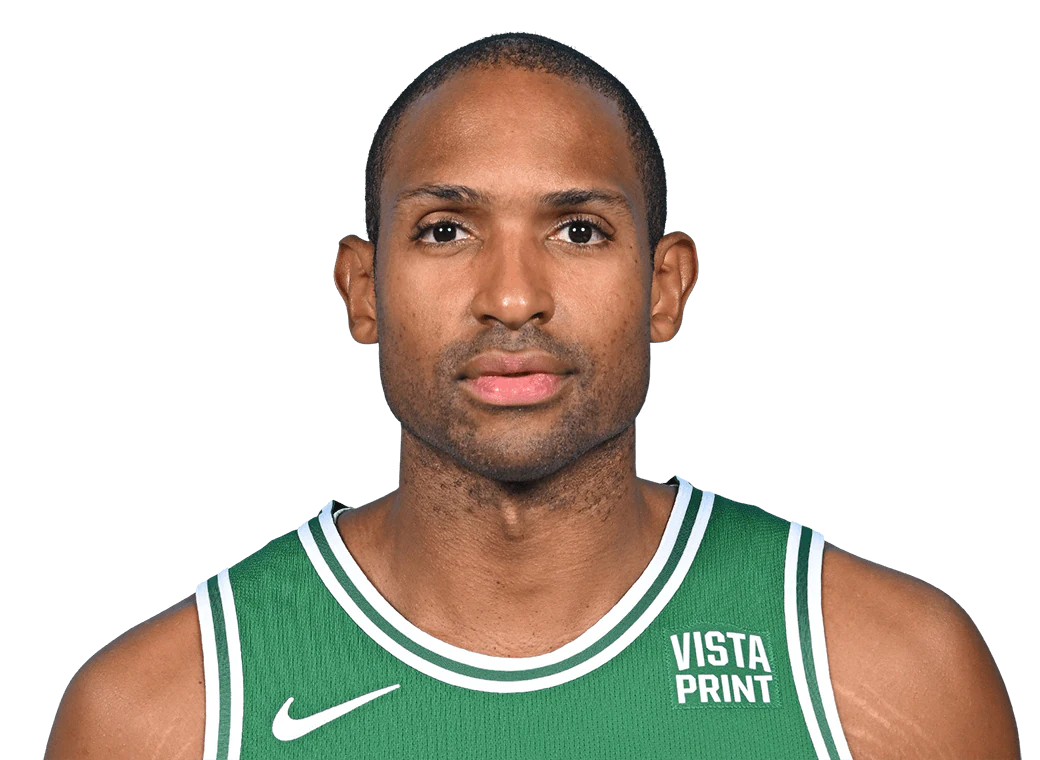
Al Horford, a renowned Dominican professional basketball player, has made significant strides both on and off the court. Known for his exceptional skills and strategic gameplay, Horford’s financial achievements are equally impressive. With a net worth of $100 million, his journey in the NBA and beyond showcases a blend of talent, hard work, and smart financial planning. This article delves into the details of Al Horford’s earnings, wealth accumulation, and the historical context of his financial success.
Early Life and College Career
Alfred Joel Horford Reynoso was born on June 3, 1986, in Puerto Plata, Dominican Republic. His family later moved to Michigan, where he attended Grand Ledge High School. Standing at 6’10”, Horford’s height and athleticism made him a standout player in high school, paving the way for a successful college career.
Horford played college basketball at the University of Florida, where he was a pivotal player in the team’s success. He helped the Gators win two consecutive NCAA Championships in 2006 and 2007. His performance earned him several accolades, including being named SEC Tournament MVP, Second-team All-American by the NABC, and Third-team All-American by the AP. These achievements set the stage for his entry into the NBA.
NBA Career and Earnings
Al Horford’s professional career began when he was drafted third overall by the Atlanta Hawks in the 2007 NBA Draft. His impact was immediate, earning a spot on the NBA All-Rookie First Team in 2008. Over the years, Horford has played for several NBA teams, including the Boston Celtics, Philadelphia 76ers, and Oklahoma City Thunder, showcasing his versatility as both a center and power forward.
Contracts and Salary
Horford’s financial success in the NBA is marked by several lucrative contracts. In 2007, he signed a four-year deal with the Atlanta Hawks worth $17.53 million. His consistent performance led to a significant contract extension in 2010, where he signed a five-year deal for $60 million.
In 2016, Horford signed a four-year, $113 million contract with the Boston Celtics, which was a testament to his value in the league. His peak annual salary reached $30 million during the 2017-2018 season, placing him among the 50 highest-paid athletes in the world for that year.
Horford’s earnings are not limited to his playing contracts. He has also secured substantial income through endorsements and other ventures.
Endorsements and Additional Income
Al Horford has supplemented his NBA salary with various endorsement deals. Between 2017 and 2018, he earned $30 million from salary and endorsements combined. These endorsements have included partnerships with major brands, contributing significantly to his overall wealth.
International Play and Achievements
In addition to his NBA success, Horford has represented the Dominican Republic in international competitions. He has won a gold medal at the 2012 Centrobasket and bronze medals at the 2011 FIBA Americas Championship and the 2008 Centrobasket. His contributions to his national team have solidified his reputation as a versatile and dedicated player.
Real Estate Investments
Al Horford has also made strategic investments in real estate, which have further bolstered his wealth. While specific details of his real estate holdings are not publicly disclosed, it is common for high-earning athletes to invest in property as a means of securing and growing their wealth.
Financial Summary
Al Horford’s net worth of $100 million is a reflection of his successful NBA career, lucrative contracts, endorsements, and smart investments. His journey from a high school standout in Michigan to an NBA All-Star is a testament to his dedication and skill.
Historical Context and Nuances
Horford’s financial journey mirrors the broader trends in professional basketball, where player salaries have seen exponential growth due to lucrative broadcasting deals, sponsorships, and the global expansion of the NBA. His career highlights the importance of securing lucrative contracts early on and leveraging one’s performance to negotiate better deals.
Moreover, Horford’s involvement in international play underscores the growing importance of global representation in enhancing a player’s marketability and earning potential. His endorsements reflect the trend of athletes partnering with major brands to diversify their income streams beyond their playing salaries.
Conclusion
Al Horford’s net worth of $100 million is a culmination of his talent, hard work, and strategic financial planning. From his early days in the Dominican Republic to becoming one of the top-earning players in the NBA, Horford’s journey is both inspirational and instructive. His financial success highlights the potential for athletes to achieve significant wealth through a combination of sports performance, endorsements, and smart investments.
For fans and aspiring athletes, Horford’s career offers valuable insights into the financial opportunities available within professional sports and the importance of managing and growing one’s wealth wisely. As Horford continues his career and ventures beyond basketball, his financial legacy will undoubtedly serve as an inspiration for many.


