
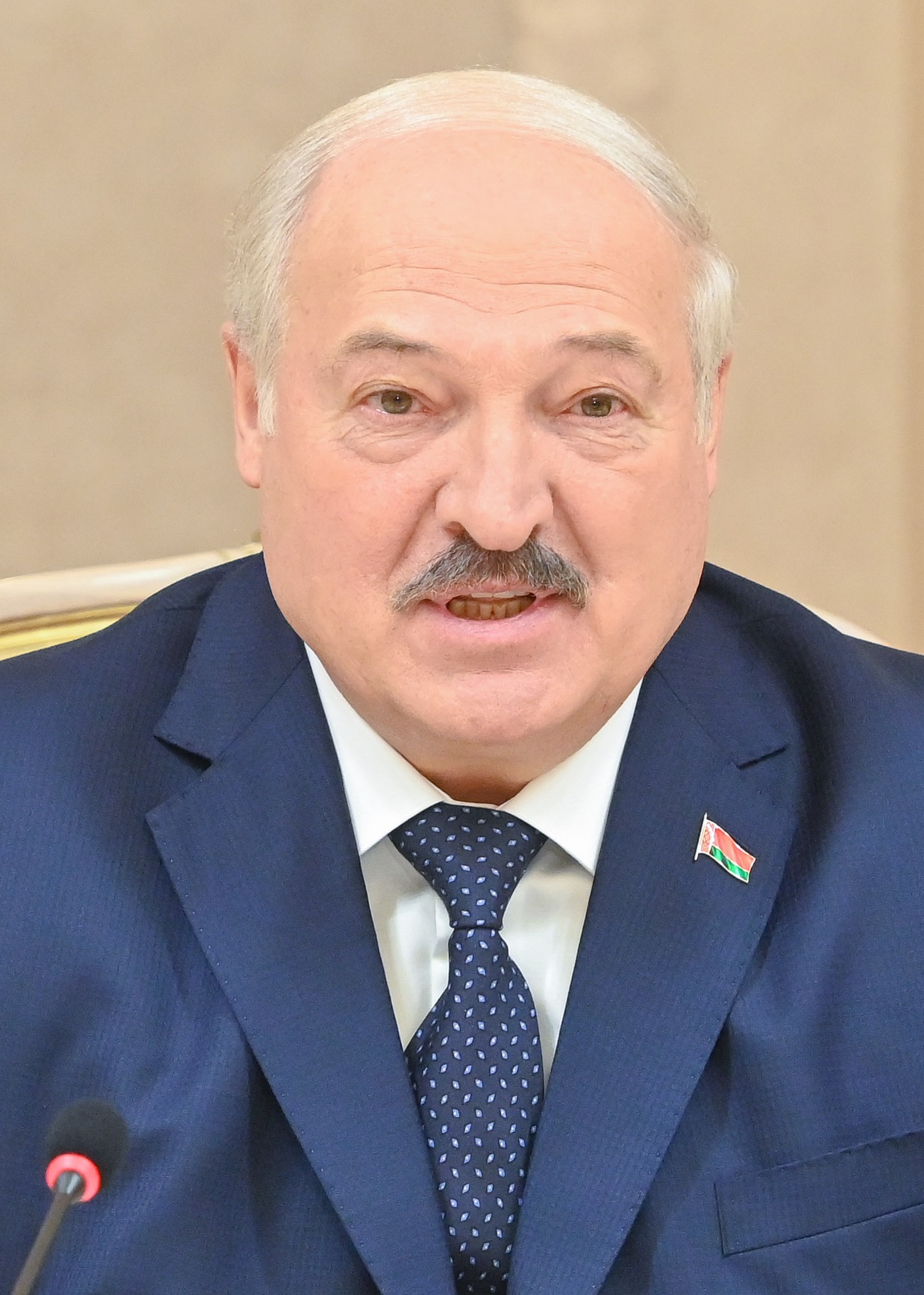
Alexander Lukashenko, the long-standing President of Belarus, has been a significant political figure in Eastern Europe for decades. Known for his authoritarian rule, Lukashenko’s wealth and earnings have been subjects of intense speculation and controversy. This article delves into the details of Alexander Lukashenko’s earnings, wealth, and the various factors contributing to his financial status, providing a comprehensive overview of his career and its impact.
Early Life and Education
Alexander Lukashenko was born on August 31, 1954, in the Kopys settlement of what was then the Byelorussian Soviet Socialist Republic. Raised by a single mother, Ekaterina, who worked multiple jobs, Lukashenko’s early life was marked by modesty and hard work. He attended Alexandria Secondary School and later graduated from the Mogilev Pedagogical Institute. In 1985, he completed his education at the Belarusian Agricultural Academy.
Career Beginnings
Lukashenko’s early career was diverse, beginning with his service in the Border Guard as an instructor with the Western Frontier District from 1975 to 1977. He then led an All-Union Leninist Young Communist League chapter and joined the Communist Party of the Soviet Union. From 1980 to 1982, he served in the Soviet Army as a deputy political officer.
Following his military service, Lukashenko became the deputy chairman of a collective farm and later the director of the Gorodets state farm and construction plant in Shklow. His reputation for being tough on corruption led to his election as Deputy to the Supreme Council of the Republic of Belarus in 1990. He was subsequently appointed as the interim chairman of the Belarusian parliament’s anti-corruption committee, a position he held until 1994.
Ascension to Power
In early 1994, a new Belarusian constitution enabled the country to hold its first-ever democratic presidential election. Lukashenko won the election with 45.1% of the vote in the first round and 80.1% in the second round. One of his first actions as leader was to propose a referendum to create a Union State between Belarus and Russia. Despite significant opposition, Lukashenko managed to amend the constitution through a subsequent referendum, consolidating his power.
Throughout his tenure, Lukashenko has maintained a tight grip on Belarus, often through controversial and authoritarian measures. In 1996, he dissolved the existing parliament and formed a new one loyal to him. He took control of the National Bank of the Republic of Belarus and dismissed its entire leadership in the late 1990s.
Repeated Reelections and Controversies
Lukashenko was reelected in 2001 and 2006, although both elections were marred by allegations of rigging and widespread protests. The Organization for Security and Co-operation in Europe (OSCE) declared that the 2006 election did not meet the standards of a free and fair democratic process. Despite international criticism, Lukashenko continued to win reelections, including in 2010, 2015, and 2020, each time amid allegations of electoral fraud and suppression of dissent.
The 2010 presidential election was particularly violent, with opposition candidates beaten by police and numerous protestors arrested. The European Union responded by renewing a travel ban on Lukashenko and over 150 of his associates. Despite these challenges, Lukashenko maintained his hold on power, advancing military relations with Russia and cracking down on corruption within his administration.
Wealth and Financial Allegations
Alexander Lukashenko’s net worth is estimated to be around $10 billion. However, he has consistently denied claims of being extremely wealthy, insisting he is a modest public servant. Allegations of hidden wealth, dating back to at least 2006, suggest that Lukashenko has enriched himself significantly, with reports of billions of dollars stashed in accounts in Switzerland or Dubai.
A 2006 Wikileaks release indicated that US diplomats believed Lukashenko to be the richest person in Belarus, with a personal net worth of at least $9 billion. A documentary produced by Poland-based opposition news service NEXTA further claimed that Lukashenko had spent hundreds of millions on luxurious mansions, private jets, and high-end cars. Lukashenko has dismissed these allegations, stating he has not stolen from the state and does not own the lavish properties attributed to him.
Policies and Governance
Lukashenko’s governance style is characterized by maintaining state control over many industries and promoting social welfare policies reminiscent of the Soviet era. He has enacted numerous autocratic decrees to consolidate his power and has been known to violently suppress political dissidents. Reports of torture, sexual assault, and psychological abuse against opponents are common, with international human rights organizations frequently condemning his regime.
Internationally, Lukashenko has sought to strengthen ties with Russia, advocating for the establishment of a Union State. However, relations between Belarus and Russia have fluctuated due to political and economic tensions. Despite these challenges, Lukashenko allowed Russian forces to invade Ukraine from Belarusian territory in 2022, demonstrating his strategic alliance with Russia.
Personal Life
In 1975, Lukashenko married his high school sweetheart, Galina Zhelnerovich. The couple had two sons, Viktor and Dmitry, but have been estranged since Lukashenko became president in 1994. From an extramarital affair, Lukashenko had another son, Nikolai, born in 2004. Despite his personal controversies, Lukashenko has maintained a strong public image as a decisive and authoritarian leader.
Conclusion
Alexander Lukashenko’s earnings and wealth are a reflection of his long-standing political dominance and controversial governance. Despite consistent allegations of corruption and hidden wealth, Lukashenko has maintained his position as the leader of Belarus through a combination of political acumen and authoritarian control. His influence in Belarus and his strategic alliances with powerful nations like Russia continue to shape the political landscape of Eastern Europe.
As he remains a polarizing figure, the debate over his true wealth and the impact of his policies on Belarus and its people will persist. Lukashenko’s legacy, marked by both significant achievements and widespread criticism, will undoubtedly continue to be a topic of discussion in global political circles.


