
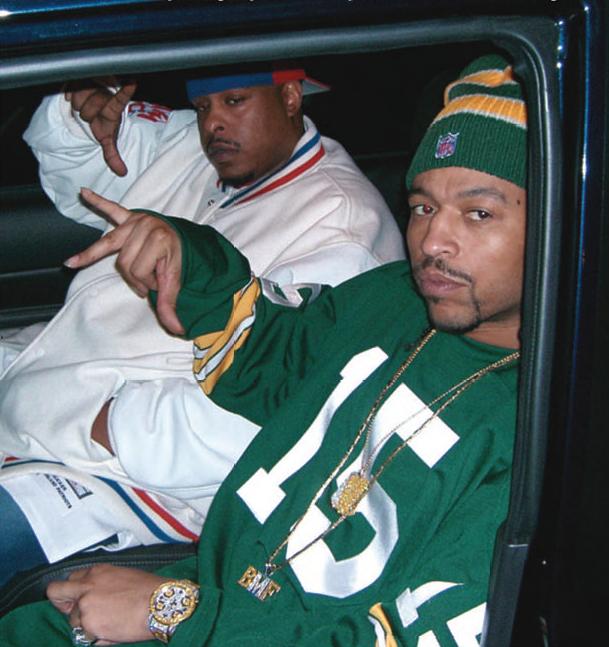
Big Meech, born Demetrius Edward Flenory, is a name that reverberates through the annals of American crime history. As the co-founder of the Black Mafia Family (BMF), Big Meech built an empire that dominated the drug trade in the United States during the early 2000s. His story, marked by vast wealth, a dramatic fall, and subsequent imprisonment, continues to intrigue and captivate many. This article delves into the financial aspects of Big Meech’s life, exploring his earnings, wealth, and the significant shifts in his financial status over the years.
Early Life and Formation of BMF
Demetrius “Big Meech” Flenory was born on June 21, 1968, in Detroit, Michigan. Growing up in a financially struggling family, Flenory, alongside his brother Terry “Southwest T” Flenory, began dealing drugs during their high school years in the late 1980s. Their small-time operations eventually grew into one of the largest drug trafficking and money laundering organizations in the United States, known as the Black Mafia Family.
Rise to Power and Earnings from Drug Trade
The Black Mafia Family’s operations peaked in the early 2000s, with Big Meech at the helm. The organization had an extensive network that spanned several states, including California, Georgia, Florida, Michigan, Missouri, and Tennessee. BMF was reportedly distributing thousands of kilograms of cocaine each month. The sheer scale of their operations meant that the Flenory brothers were raking in millions of dollars annually.
Estimates suggest that during its peak, BMF was generating between $270 million and $300 million annually. Big Meech’s personal earnings from these operations were substantial, contributing significantly to his lavish lifestyle. He became known for his extravagant parties, expensive cars, and connections with high-profile celebrities, which further cemented his status in both the criminal and social elite circles.
Arrest, Conviction, and Imprisonment
In 2005, Big Meech and his brother Terry were arrested by the Drug Enforcement Administration (DEA) after a lengthy investigation. They were charged with running a continuing criminal enterprise, conspiracy to launder money, and conspiracy to distribute cocaine. In 2008, both brothers were sentenced to 30 years in federal prison.
Financial Impact of Incarceration
Big Meech’s incarceration had a profound impact on his financial status. The federal government seized millions of dollars’ worth of assets, including cash, cars, jewelry, and real estate properties. The dismantling of the BMF also meant the loss of the primary source of his income. Despite his imprisonment, Big Meech’s name and the BMF legacy continue to carry significant weight in popular culture, particularly in the hip-hop community.
Current Earnings and Net Worth
As of now, Big Meech’s net worth is estimated to be around $100 million. This figure, though substantially lower than his peak wealth, reflects the residual impact of his previous earnings and the cultural significance of his name. While incarcerated, Big Meech’s ability to generate income is limited. However, the rights to his story and potential future projects could contribute to his financial stability upon release.
Influence and Legacy in Popular Culture
Despite his imprisonment, Big Meech remains a significant figure in popular culture, particularly in the music industry. Several high-profile artists, including Rick Ross and 50 Cent, have referenced him in their music. In 2020, Starz premiered the TV series “BMF,” produced by 50 Cent, which dramatizes the rise and fall of the Black Mafia Family. This series has reignited interest in Big Meech’s story and could potentially lead to future financial opportunities.
Legal Battles and Controversies
Big Meech’s life has been fraught with legal battles and controversies. His high-profile arrest and conviction brought significant media attention, and his name remains associated with one of the most extensive drug trafficking operations in U.S. history. Efforts by his legal team to reduce his sentence have been ongoing, citing changes in sentencing guidelines and his good behavior while incarcerated.
Philanthropic Efforts and Community Impact
While Big Meech’s criminal activities had a negative impact on many communities, his legacy is not without attempts at positive contributions. There have been reports of charitable activities linked to his name, although these are overshadowed by his criminal past. The portrayal of his life in media, however, often emphasizes themes of loyalty, family, and the desire to uplift one’s community, albeit through illegal means.
Future Prospects and Potential Earnings
Looking forward, Big Meech’s future prospects depend significantly on his potential early release and the ability to leverage his story for legal ventures. The success of the “BMF” TV series and ongoing interest in his life story could open doors to book deals, speaking engagements, and other media projects. These opportunities could substantially improve his financial situation and help reshape his legacy.
Conclusion
Big Meech’s financial journey is a complex narrative of rise, fall, and potential redemption. His earnings during his criminal career were astronomical, but his conviction and subsequent imprisonment drastically reduced his wealth. With an estimated net worth of around $100 million, Big Meech’s current financial status is a far cry from his peak years leading the Black Mafia Family. However, his enduring influence in popular culture and potential future projects offer a glimpse of financial recovery and legacy reshaping.
As Big Meech navigates his post-criminal life, his story remains a powerful example of the volatility of wealth acquired through illegal means and the lasting impact of one’s actions on their legacy. His financial trajectory, marked by dramatic highs and lows, offers valuable insights into the world of organized crime and the enduring fascination with figures who rise to power within it.


