
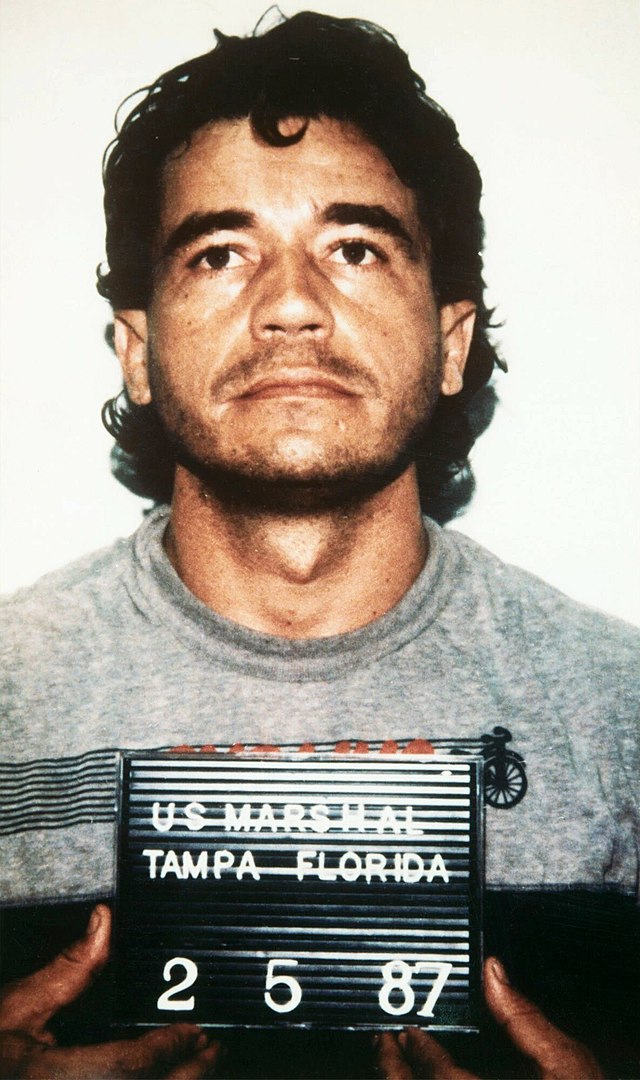
Carlos Lehder is a notorious figure in the history of drug trafficking, known for his role as a co-founder of the Medellín Cartel. His influence in the cocaine trade during the 1980s was substantial, and his wealth reflected the vast profits generated by this illegal enterprise. This article delves into how much Carlos Lehder earned, the sources of his income, and provides a detailed analysis of his overall wealth, while exploring the nuances and historical context of his criminal empire.
Who Is Carlos Lehder?
Carlos Enrique Lehder Rivas, born on September 7, 1949, in Armenia, Colombia, is one of the most infamous drug lords in history. He is best known as one of the founding members of the Medellín Cartel, alongside Pablo Escobar, Jorge Ochoa, and José Gonzalo Rodríguez Gacha. Lehder’s innovative methods in drug trafficking and his flamboyant personality set him apart in the world of organized crime.
Early Life and Criminal Beginnings
Lehder was born to a German father and a Colombian mother. His early life was marked by a fascination with the rebellious and lucrative aspects of crime. Lehder moved to the United States, where he was involved in car theft and eventually escalated to drug trafficking. After serving time in prison for car theft and drug-related charges, Lehder returned to Colombia with a new vision for the cocaine trade.
Rise of the Medellín Cartel
Carlos Lehder’s rise to power came with the formation of the Medellín Cartel in the late 1970s. He played a crucial role in the cartel’s operations, using his entrepreneurial skills to revolutionize the cocaine trade. Lehder’s most significant contribution was the establishment of a drug trafficking route through Norman’s Cay, a small island in the Bahamas. This strategic location allowed the cartel to efficiently transport large quantities of cocaine from Colombia to the United States.
Sources of Income
Cocaine Trafficking
The primary source of Carlos Lehder’s income was cocaine trafficking. Lehder’s operations through Norman’s Cay made it possible to smuggle massive amounts of cocaine into the United States. At the height of his power, it is estimated that Lehder was earning millions of dollars per day from the drug trade. The Medellín Cartel’s monopoly on the cocaine market during the 1980s generated billions of dollars in revenue, with Lehder receiving a significant share.
Investments and Money Laundering
To manage and legitimize the vast amounts of money generated by drug trafficking, Lehder and the cartel engaged in extensive money laundering activities. They invested in various businesses and properties around the world, including hotels, real estate, and even legitimate enterprises. These investments not only helped launder the drug money but also contributed to Lehder’s overall wealth.
Arms Trafficking and Other Illicit Activities
In addition to drug trafficking, Lehder was involved in arms trafficking and other illegal ventures. The Medellín Cartel needed a constant supply of weapons to maintain its operations and protect its interests. Lehder’s involvement in the arms trade further diversified his income streams and reinforced his position within the cartel.
Wealth and Lifestyle
Carlos Lehder’s wealth during his peak years was estimated to be in the billions of dollars. His extravagant lifestyle reflected his immense earnings. Lehder owned numerous properties, luxury vehicles, private jets, and even a private island. His residence on Norman’s Cay was known for its opulence, complete with a runway for drug planes and high-security measures.
Capture and Imprisonment
Lehder’s criminal empire began to unravel in the mid-1980s. The increasing pressure from law enforcement agencies in the United States and Colombia led to his downfall. In 1987, Lehder was captured by Colombian authorities and extradited to the United States. He was convicted on multiple charges, including drug trafficking and money laundering, and sentenced to life in prison without parole plus an additional 135 years.
Release and Later Life
In a surprising turn of events, Carlos Lehder’s sentence was reduced due to his cooperation with U.S. authorities. He provided crucial information that helped dismantle the Medellín Cartel and other drug trafficking operations. In 2020, after serving more than 30 years in prison, Lehder was released and deported to Germany, where he remains to this day.
Nuances and Historical Context
Carlos Lehder’s story is emblematic of the larger narrative of the cocaine trade in the late 20th century. The rise of the Medellín Cartel marked a significant shift in the global drug trade, with Colombia becoming the epicenter of cocaine production and distribution. Lehder’s innovative methods, particularly the use of Norman’s Cay, revolutionized drug trafficking logistics and set a precedent for future operations.
Historically, the cocaine trade has been marked by extreme violence, corruption, and vast economic impact. The Medellín Cartel’s operations led to unprecedented levels of violence in Colombia, with thousands of lives lost and significant political ramifications. Lehder’s role in this context highlights the complex interplay between crime, politics, and economics during this period.
Legacy and Impact
Carlos Lehder’s legacy is a mix of infamy and influence. While his criminal activities caused immense harm, his methods and the scale of his operations have been studied extensively by law enforcement and policymakers. Lehder’s cooperation with authorities also played a crucial role in the eventual dismantling of the Medellín Cartel.
The economic impact of Lehder’s activities is significant. The billions generated by the Medellín Cartel had far-reaching effects on both local and global economies. The illicit funds were funneled into various sectors, affecting real estate markets, financial institutions, and even legitimate businesses.
Conclusion
Carlos Lehder’s estimated net worth during his peak years was in the billions of dollars, reflecting his significant role in the cocaine trade. His income sources included drug trafficking, money laundering, arms trafficking, and various investments. Despite his eventual capture and imprisonment, Lehder’s influence on the drug trade and his legacy in the annals of criminal history remain profound. His story serves as a cautionary tale of the extreme wealth and power that can be derived from illicit activities, and the inevitable consequences that follow.


