
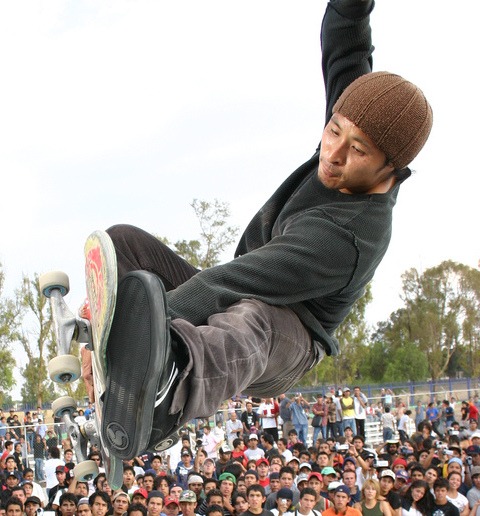
Daewon Song, a name revered in the skateboarding community, has significantly influenced the sport with his innovative style and technical prowess. His career extends beyond skateboarding into business ventures, contributing to his diverse income streams. This article delves into Daewon Song’s earnings, wealth, and the broader historical context that has shaped his success.
Early Life and Skateboarding Career
Daewon Song was born on February 19, 1975, in Seoul, South Korea, but grew up in California, where he discovered his passion for skateboarding. Song’s early exposure to the vibrant California skate scene helped hone his skills, and by the early 1990s, he had become a prominent figure in the skateboarding world. His big break came when he joined World Industries, a leading skateboarding company, where he quickly gained recognition for his technical tricks and creative style.
Earnings from Skateboarding
Professional Skateboarding: Song’s primary source of income has been his career as a professional skateboarder. Competing in numerous skateboarding competitions and winning various titles have brought in significant prize money. However, the bulk of his earnings have come from sponsorships and endorsements.
Sponsorships and Endorsements: Over the years, Daewon Song has been sponsored by several leading skateboarding brands, including World Industries, Almost Skateboards, Tensor Trucks, and Adidas. These sponsorships provide financial stability and enhance his visibility and marketability. Signature products, such as his pro model skateboard decks and shoes, have been particularly successful, contributing significantly to his earnings.
Business Ventures and Entrepreneurship
Business Ventures: Beyond skateboarding, Daewon Song has ventured into several business projects. He co-founded Almost Skateboards with Rodney Mullen, another skateboarding legend. This entrepreneurial venture has been highly successful, adding a substantial income stream to Song’s portfolio.
Video Production: Song has been involved in the production of several influential skateboarding videos, which have contributed to his earnings. These videos not only showcase his exceptional skills but also generate revenue through sales and streaming.
Net Worth
As of the latest estimates, Daewon Song’s net worth is approximately $1.5 million. This figure encompasses his earnings from skateboarding, business ventures, and other sources of income. It’s important to note that net worth estimates can vary, and the actual figure may be higher or lower depending on various factors, such as investments and expenses.
Real Estate Investments
Real Estate: Like many successful athletes and entrepreneurs, Daewon Song has invested in real estate. These investments provide a steady source of passive income and help in diversifying his wealth. Specific details about his properties are not publicly available, but real estate remains a crucial component of his overall financial strategy.
Merchandise and Royalties
Merchandise Sales: Daewon Song’s brand includes a range of merchandise, from clothing to skateboarding gear. Products like his signature skateboards and collaboration items generate ongoing royalties, ensuring a continuous stream of income.
Impact on the Skateboarding Industry
Daewon Song’s influence on the skateboarding industry is significant. His innovative tricks, such as the “Daewon Manual,” have set new standards in technical skateboarding. Song’s ability to consistently push the boundaries of what is possible on a skateboard has inspired countless skateboarders worldwide.
Historical Context and Evolution of Skateboarding
To fully understand Daewon Song’s financial success, it is essential to consider the historical context of skateboarding. The sport has undergone significant transformations since its inception in the 1950s and 1960s.
1980s and 1990s Evolution: The 1980s and 1990s were pivotal decades for skateboarding, marked by the rise of professional competitions, skateboarding magazines, and videos. This era saw the emergence of skateboarding icons like Song, who played a crucial role in popularizing the sport and pushing its boundaries.
Modern Era: Today, skateboarding is a global phenomenon with a multi-billion-dollar industry. The inclusion of skateboarding in the Olympics has further elevated the sport’s profile, attracting new fans and investors. Professional skateboarders now have multiple revenue streams, including sponsorships, merchandise sales, media rights, and social media influence.
Challenges and Controversies
Daewon Song’s journey has not been without challenges and controversies. Like many professional skateboarders, he has faced injuries and setbacks. However, Song’s resilience and dedication to his craft have allowed him to overcome these challenges and maintain his status as one of the top skateboarders in the world.
Conclusion
Daewon Song’s earnings and wealth are a testament to his talent, innovation, and entrepreneurial spirit. From his early days as a skateboarding prodigy to his successful business ventures and video productions, Song has built a diverse and thriving career. With a net worth estimated at $1.5 million, he continues to influence the skateboarding industry and inspire future generations.
Song’s story underscores the importance of diversification, strategic investments, and creative exploration in building lasting wealth. As skateboarding continues to evolve, Daewon Song’s legacy will undoubtedly remain a significant part of the sport’s rich history. His contributions serve as a powerful reminder of the potential for success in pursuing one’s passions and breaking new ground.


