
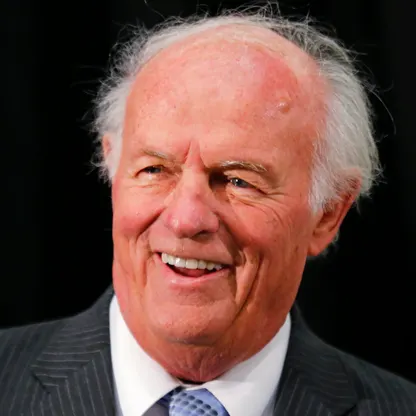
Denny Sanford, a prominent philanthropist and entrepreneur, is known for his substantial contributions to various charitable causes and his successful career in business. With a wealth built from his financial ventures and a commitment to giving back to society, Sanford’s journey from a successful businessman to a renowned philanthropist is both inspiring and impactful. This article delves into Denny Sanford’s earnings, his wealth, and the historical context of his financial achievements, providing a comprehensive overview of his influence in the business and philanthropic communities.
Early Life and Career Beginnings
Thomas Denny Sanford was born on December 23, 1935, in Saint Paul, Minnesota. Raised in a modest household, he attended the University of Minnesota, where he earned a degree in psychology. Sanford’s entrepreneurial spirit was evident early on, and he embarked on a career that would eventually lead him to significant financial success.
Sanford’s career began in the business world, where he engaged in various ventures, including the ownership of Contech, a manufacturer of plastic and metal components for the automotive industry. However, his major breakthrough came with the acquisition of United National Corporation (UNC) in the mid-1980s. Sanford transformed UNC, a small subprime credit card business, into First Premier Bank and Premier Bankcard, which became highly successful under his leadership.
Building First Premier Bank and Premier Bankcard
Denny Sanford’s transformation of United National Corporation into First Premier Bank and Premier Bankcard marked a significant turning point in his career. First Premier Bank and Premier Bankcard specialize in providing credit cards to individuals with low credit scores, a market segment often underserved by traditional banks. Sanford’s strategic focus on this niche market allowed the businesses to flourish.
Under Sanford’s leadership, First Premier Bank and Premier Bankcard became known for their innovative approaches to credit card issuance and management. Despite criticism for high fees and interest rates, the companies provided a valuable service to individuals seeking to rebuild their credit. The success of these ventures significantly contributed to Sanford’s wealth and established him as a prominent figure in the financial industry.
Earnings and Compensation
Denny Sanford’s earnings are primarily derived from his role as the owner and leader of First Premier Bank and Premier Bankcard. His compensation includes profits from the businesses, dividends, and other performance-based incentives. Sanford’s earnings reflect the success and profitability of these ventures, with substantial income generated from their operations.
In peak years, Sanford’s earnings have been reported to reach millions of dollars, reflecting the high profitability of his businesses. His compensation is closely tied to the performance of First Premier Bank and Premier Bankcard, with potential for significant earnings when the companies perform well. Sanford’s investment in these ventures has been instrumental in building his wealth and financial stability.
Wealth and Net Worth
As of recent estimates, Denny Sanford’s net worth is approximately $2 billion. This wealth has been accumulated through his successful career in business and his ownership of First Premier Bank and Premier Bankcard. Sanford’s net worth places him among the wealthiest individuals in the United States, reflecting his contributions to the financial industry and his long-term business success.
Sanford’s wealth is characterized by a high degree of diversification. In addition to his holdings in First Premier Bank and Premier Bankcard, he has investments in various asset classes, including real estate, private equity, and other financial ventures. This diversification strategy has helped to stabilize and grow his wealth over time, even in the face of market fluctuations.
Philanthropy and Personal Life
Beyond his financial success, Denny Sanford is also known for his philanthropy. He has donated billions of dollars to various causes, focusing on healthcare, education, and scientific research. Sanford’s philanthropic efforts are guided by a commitment to improving society and fostering long-term positive change.
One of Sanford’s significant philanthropic contributions is his support for healthcare and medical research. He has donated substantial sums to establish and expand the Sanford Health network, one of the largest rural health systems in the United States. His donations have funded hospitals, research centers, and various healthcare initiatives aimed at improving patient care and advancing medical research.
Sanford’s approach to philanthropy reflects his business philosophy: thoughtful, strategic, and focused on long-term impact. His contributions aim to create lasting benefits and address fundamental societal challenges. His donations to educational institutions have also been substantial, funding scholarships, research programs, and the construction of new facilities.
Historical Context and Influence
Denny Sanford’s career and influence must be viewed within the broader context of the evolution of the financial industry and the growing trend of billionaire philanthropy. The financial markets have undergone significant changes over the past few decades, including increased regulation, technological advancements, and shifts in consumer behavior. Sanford’s ability to navigate these changes and capitalize on emerging opportunities has set him apart from many of his peers.
Sanford’s influence extends beyond his financial success. His philanthropic efforts have had a profound impact on various sectors, including healthcare, education, and scientific research. His donations have funded groundbreaking research, improved healthcare access, and provided educational opportunities for countless individuals. Sanford’s commitment to giving back has inspired other wealthy individuals to engage in philanthropy, demonstrating the potential for significant positive change through strategic charitable contributions.
Nuances of Sanford’s Financial Success
Several factors have contributed to Denny Sanford’s financial success. First, his entrepreneurial spirit and ability to identify underserved market segments allowed him to create and grow successful businesses. Sanford’s strategic focus on providing credit to individuals with low credit scores was a key factor in the success of First Premier Bank and Premier Bankcard.
Second, his willingness to take calculated risks and invest in innovative approaches to business management has been crucial. Sanford’s leadership and vision enabled him to transform a small subprime credit card business into highly profitable ventures. His adaptability and openness to new ideas have allowed him to stay ahead of market trends and capitalize on emerging opportunities.
Third, Sanford’s emphasis on diversification and long-term value has been instrumental in achieving consistent financial growth. His ability to identify and invest in high-potential assets and manage risk through strategic asset allocation has led to substantial wealth creation over time. Sanford’s focus on long-term value has been a hallmark of his success and a key factor in his wealth accumulation.
Conclusion
Denny Sanford’s earnings and wealth are the results of strategic foresight, disciplined investing, and a commitment to long-term value creation. From his early days as an entrepreneur to his leadership of First Premier Bank and Premier Bankcard, Sanford’s journey is a testament to the power of analytical thinking and disciplined business strategies.
As Sanford continues to influence the financial world and contribute to philanthropy, his legacy will be defined by his contributions to society and his impact on the next generation of entrepreneurs and philanthropists. His story offers valuable insights into the dynamics of financial markets, the importance of risk management, and the potential for creating positive change through strategic philanthropy. Sanford’s financial success and philanthropic efforts demonstrate the impact that thoughtful business strategies and a commitment to societal improvement can have on both the financial industry and the world at large.


